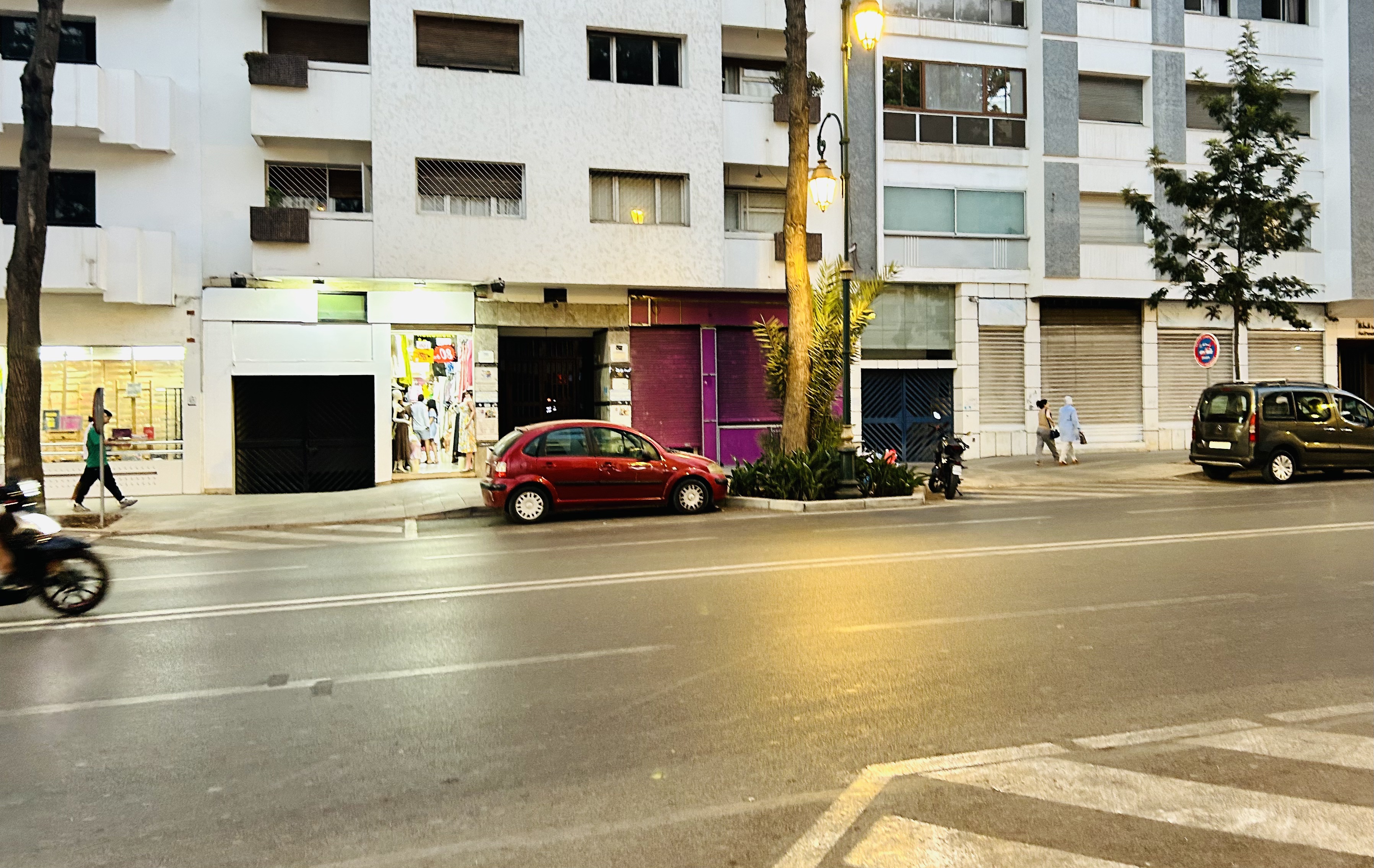
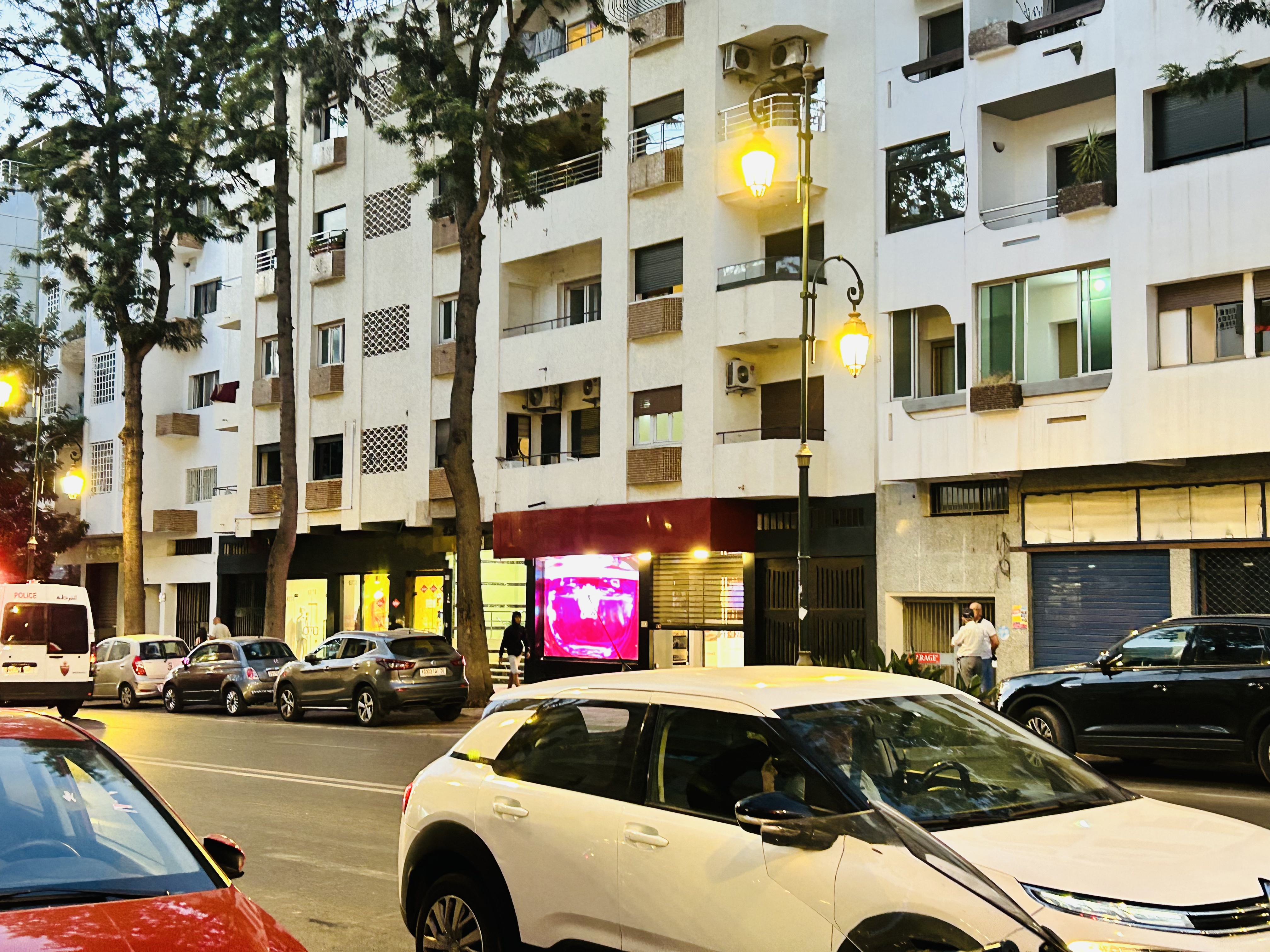
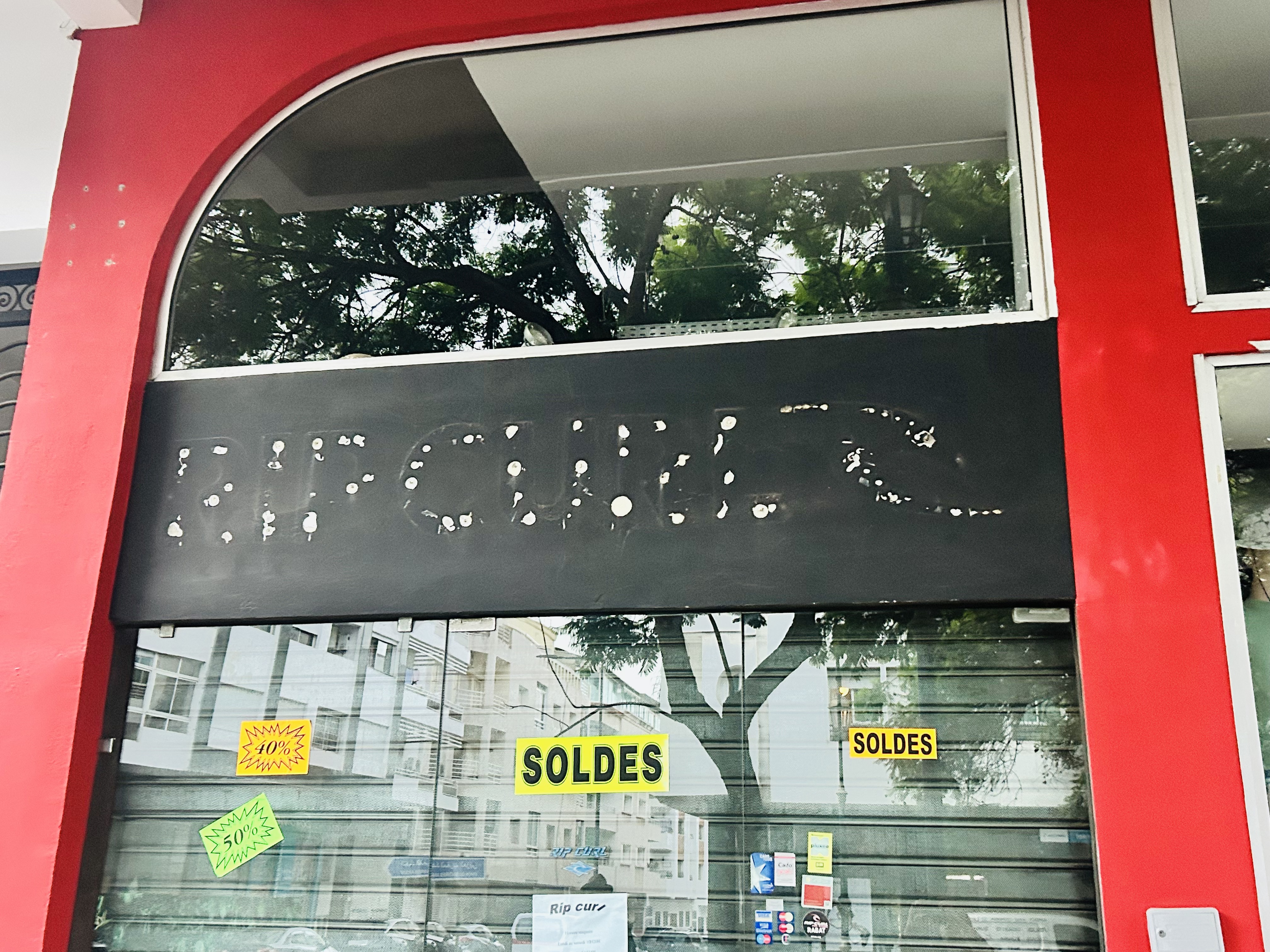
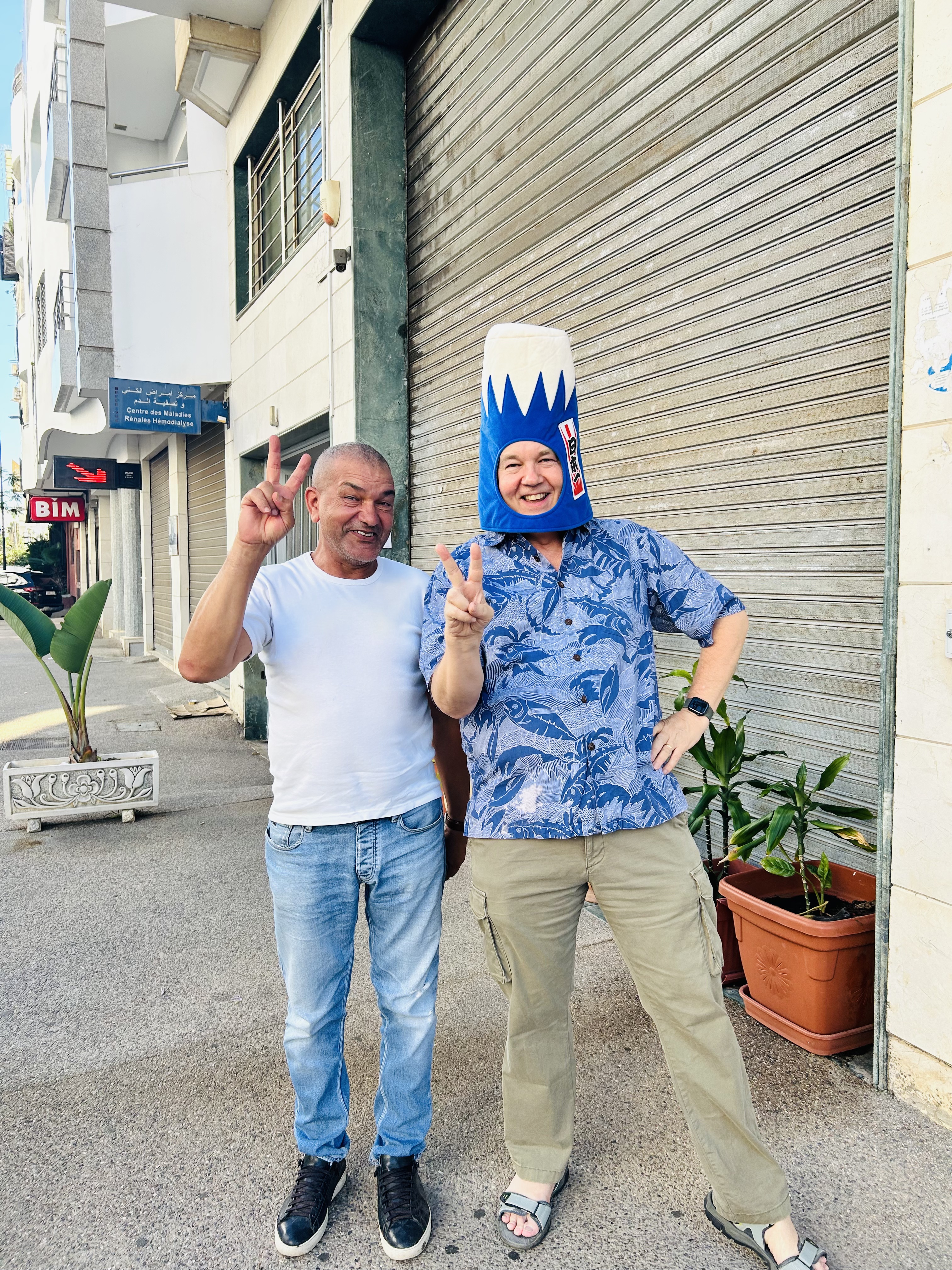
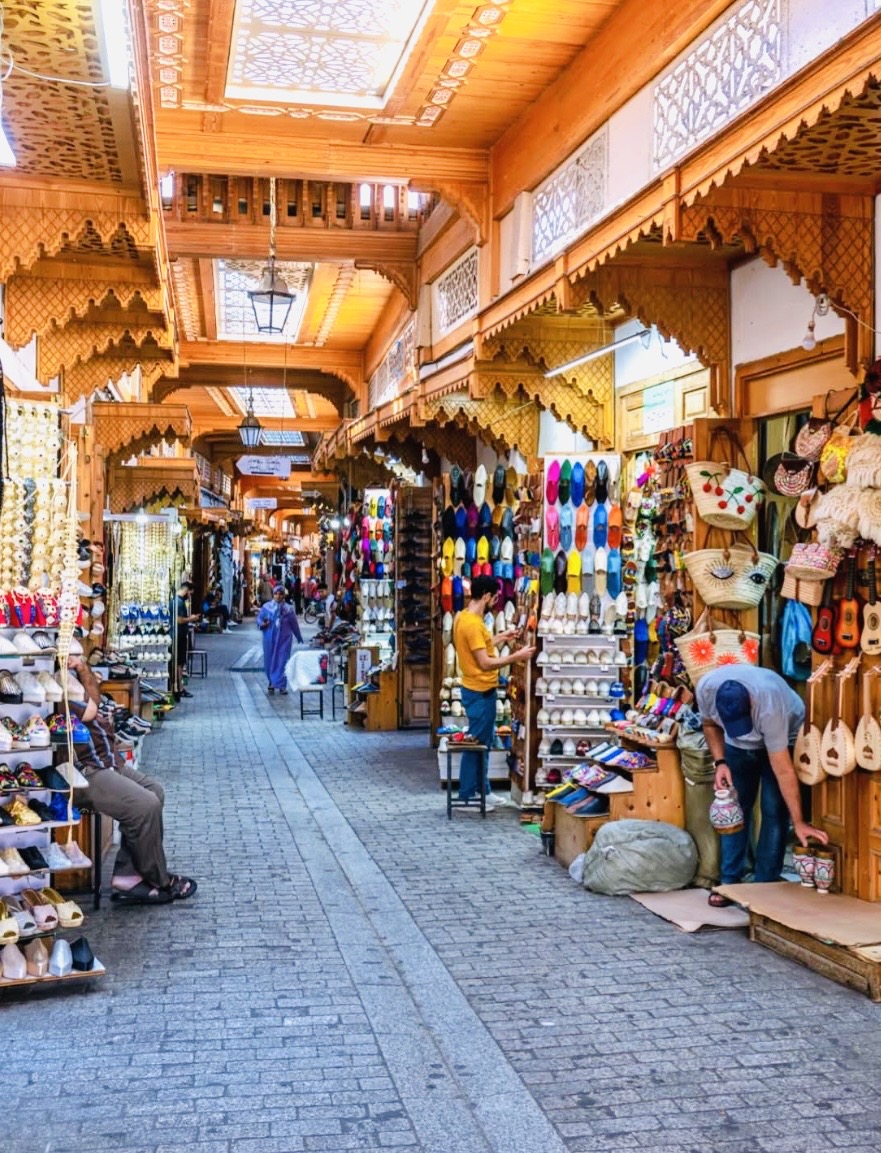
I recently noticed something different while walking around our neighborhood. “Huh? Where are the store signs?” Once I noticed a few of them, I cannot stop noticing more and more – oh my goodness, so many signs have been removed! It seemed a bit excessive for a “summer cleaning”, doesn’t it?
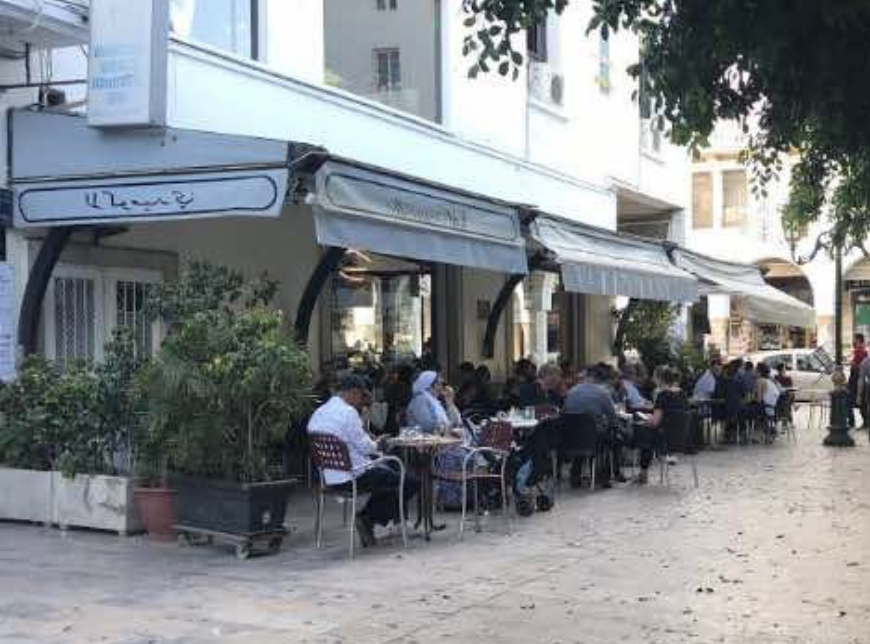
Also, the terrace seating areas of local cafés have been significantly “down-sized” or “renovated”; some of the awnings are gone, replaced by parasols, and the tables and chairs don’t stick out to the sidewalks.
Even our Hanout, which used to have many cases of vegetables and fruits in front of the shop, noe sells everything “inside.” So, overall, the sidewalks have been widened, making it easier to walk, or easier for people with wheelchairs to maneuver.
But, it really happened suddenly! Pourquoi?Alesh? A little research revealed that the local government has stepped in. Apparently, the Rabat City Council has implemented various regulations to improve the landscape and ensure the pedestrian space. For example, signs that don’t follow the regulations in terms of type, size, or placement are now subject to removal. They also check if sunshade tents or display shelves are too large and obstruct pedestrian traffic.
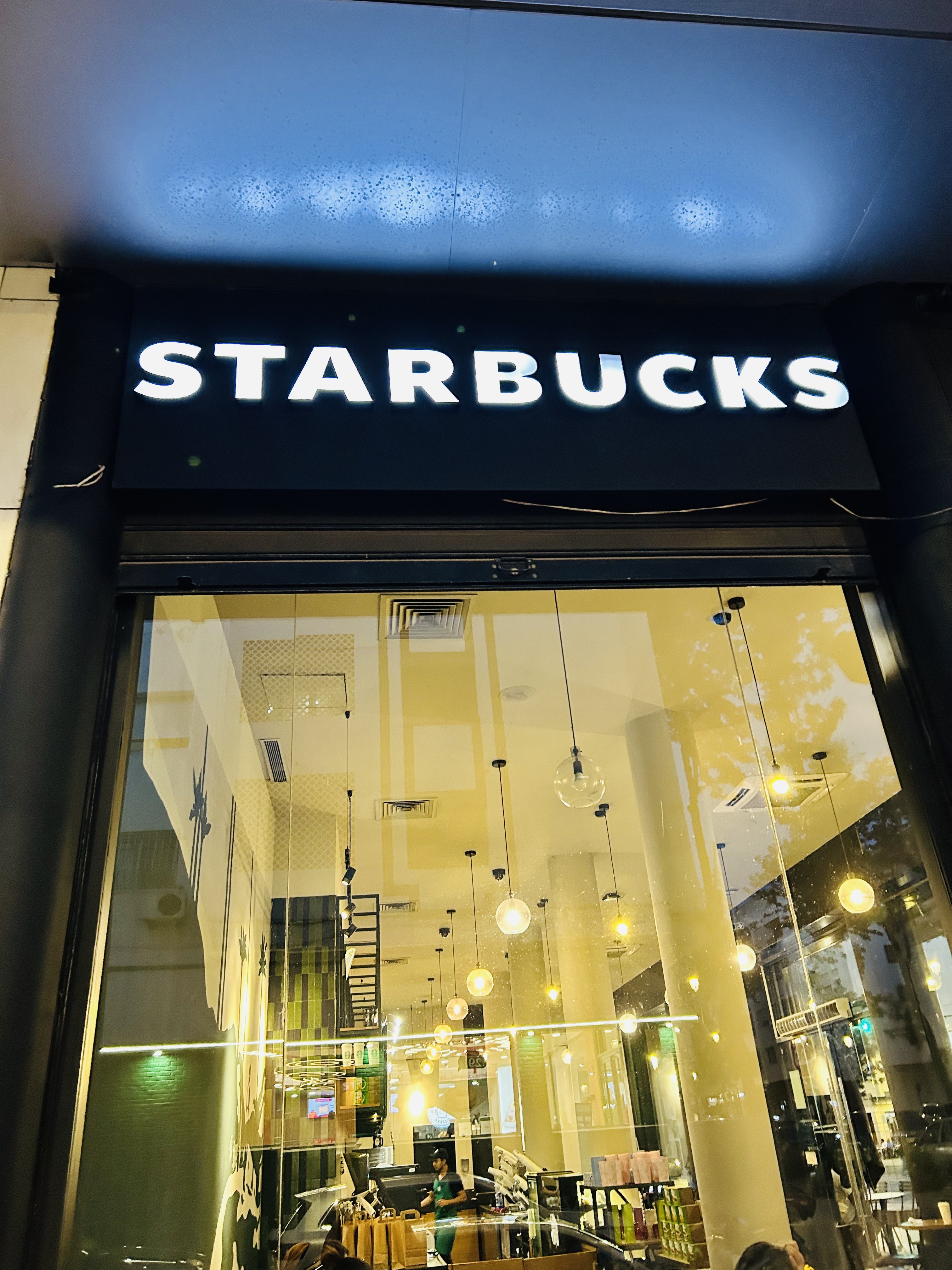
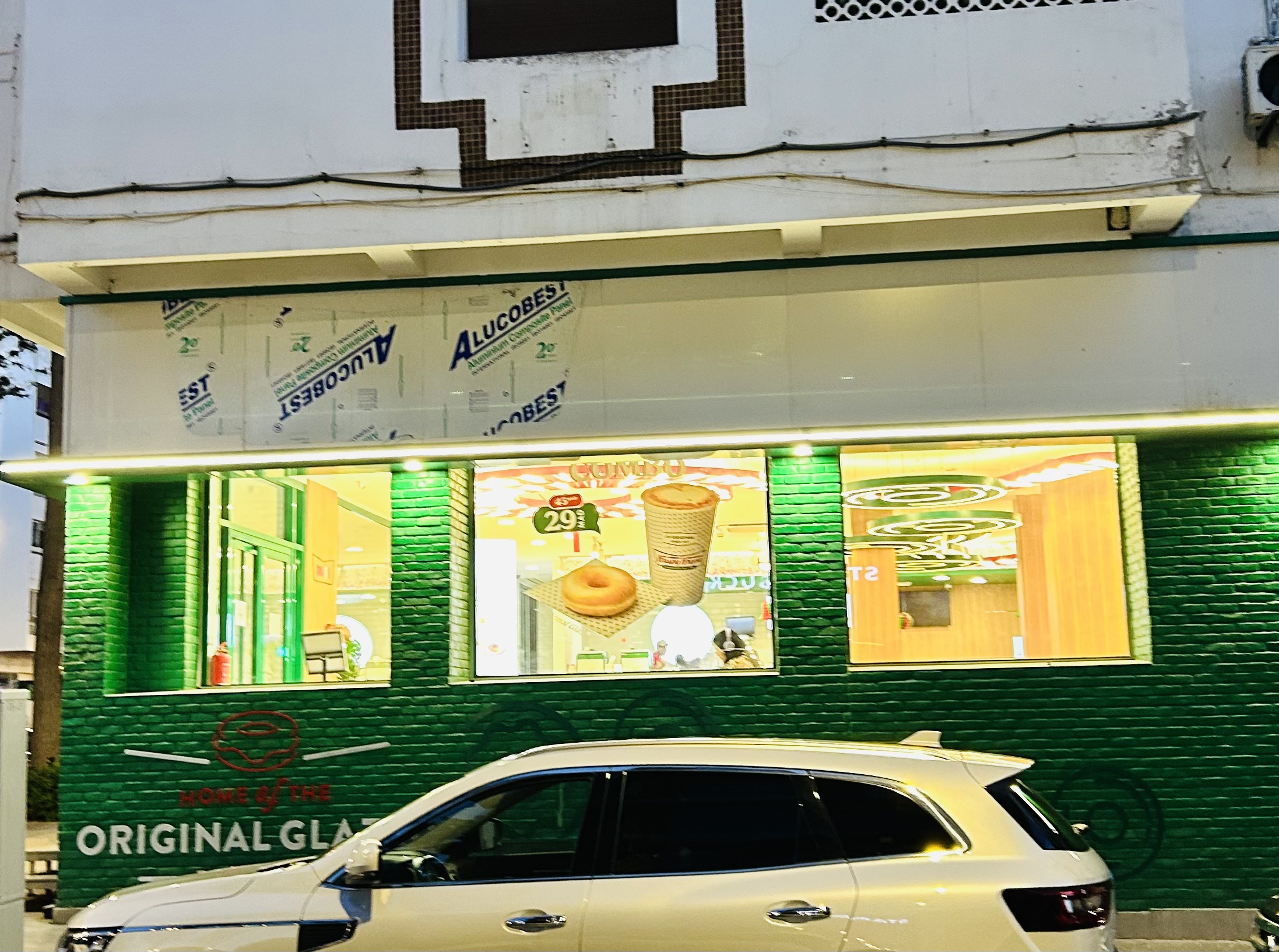
I guess, Starbucks signs are okay as they are: but not Krispy Kreme…
スタバの看板はそのままで良くて、クリスピークリームはダメ、だったんですねぇ。
These kinds of regulatory campaigns are definitely underway. No wonder the streets looked different, a bit featureless. But, I guess, we will see more aesthetically pleasing, welcoming, and beatifying signs – I hope, Inshallah.
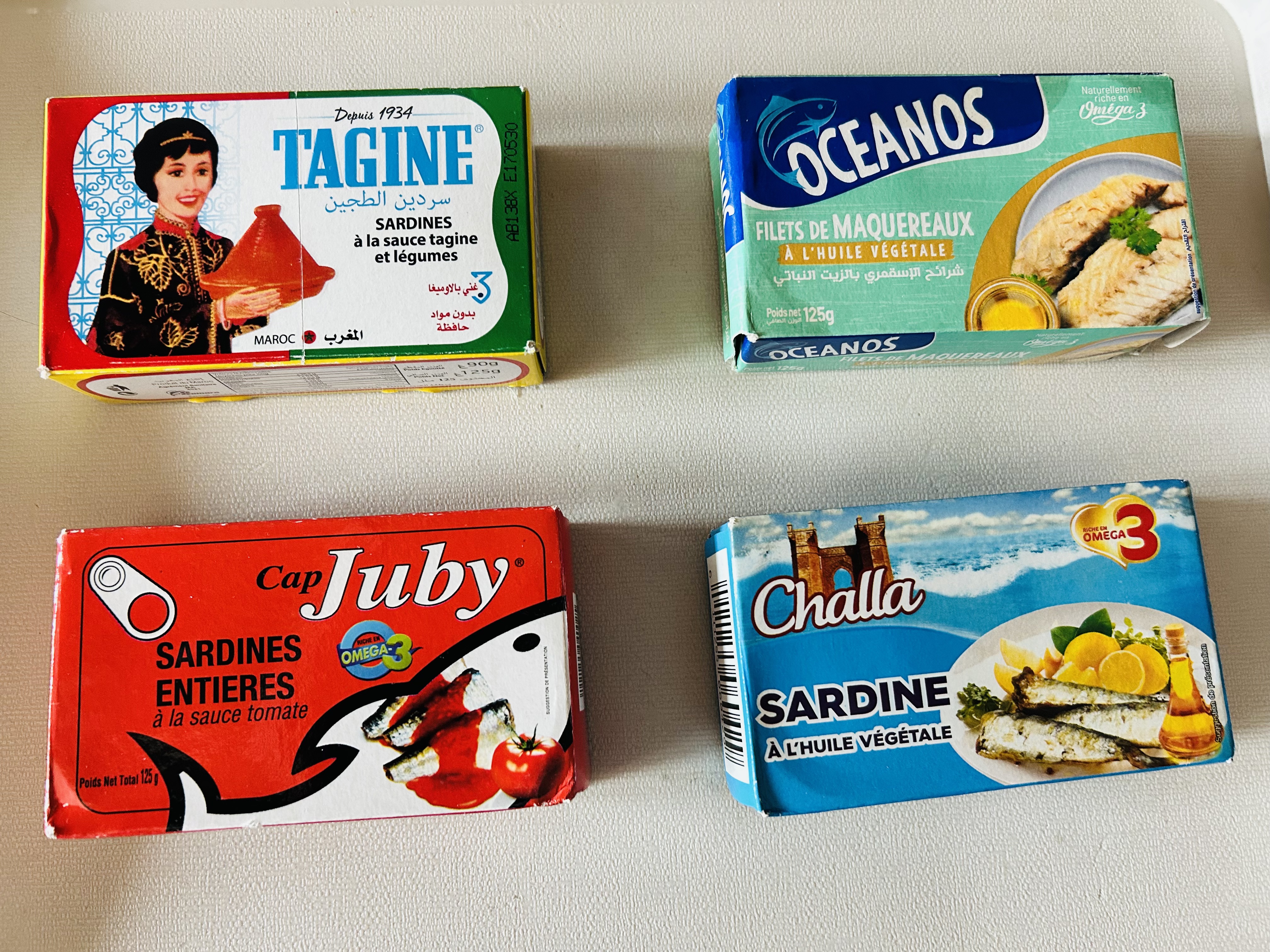
I am the type of person who is always curious about trying out new ingredients, and living in Morocco has given me many opportunities for it. For health reasons, we eat fish two to three times a week, and sardine is definitely my “go-to” seafood and I always keep cans of sardines in my pantry. By the way, Morocco is one of the world’s leading producers and exporters of sardines; therefore, they are readily available not only in cans, but also in street stalls, selling freshly fried sardine sandwiches.
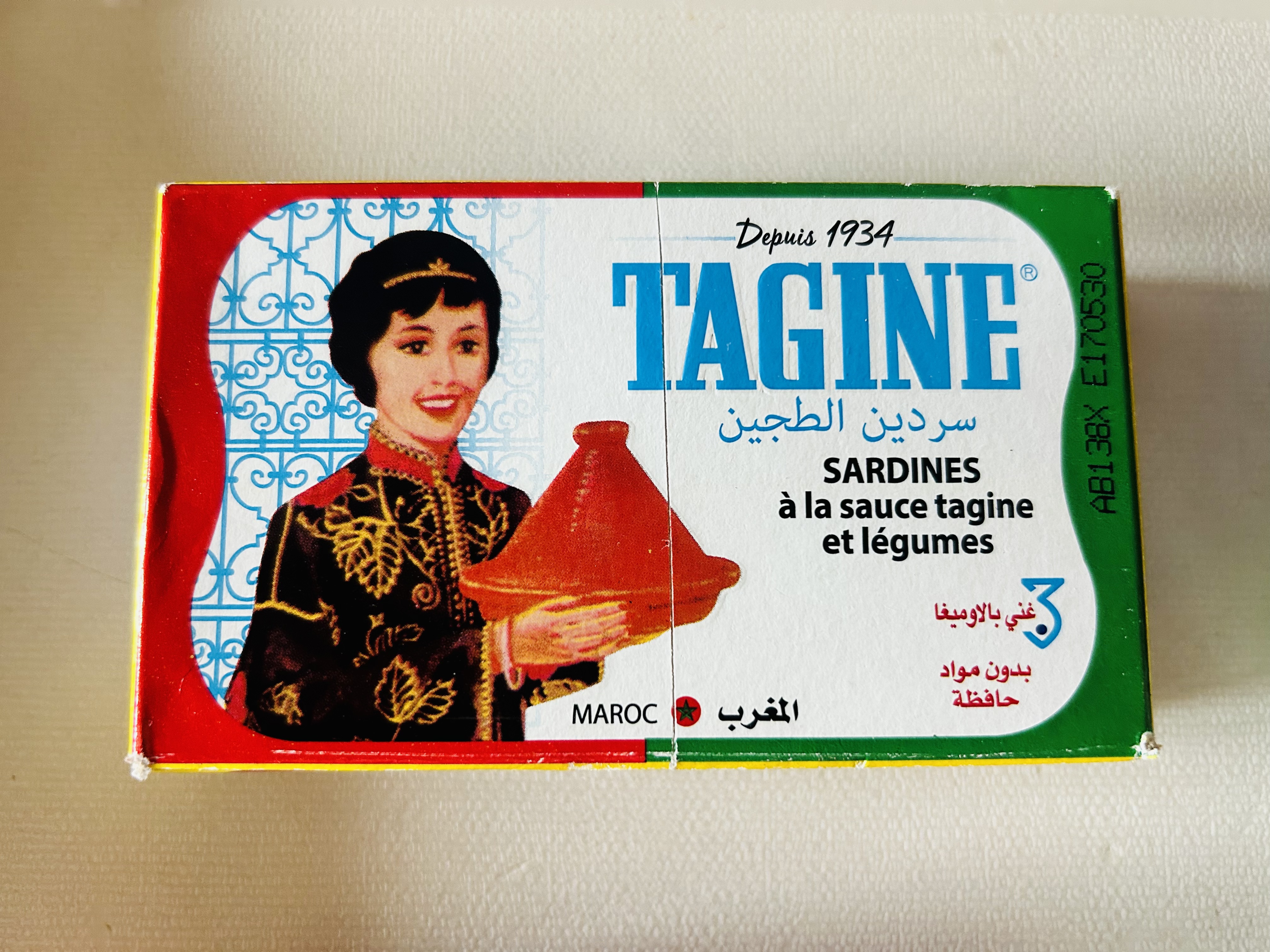
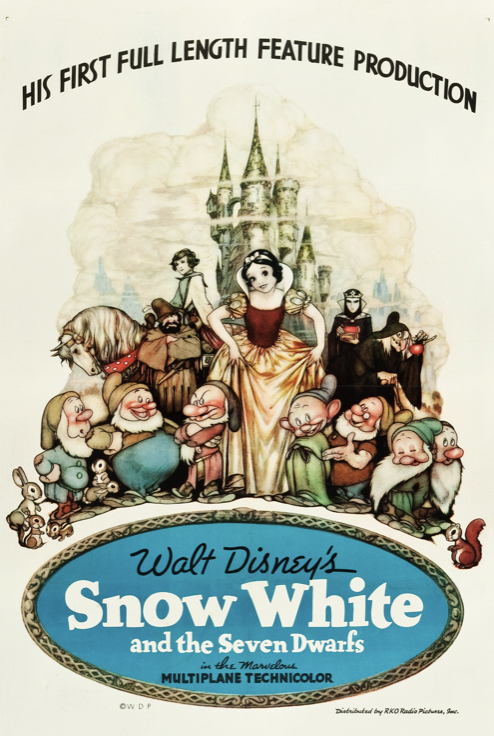
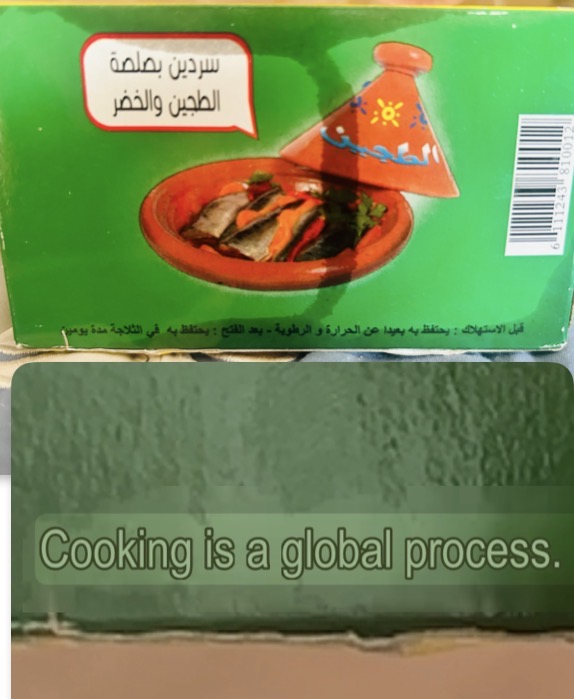
Now, how about this “Tagine Sardine”? I was immediately captivated by its design. At first, I thought she looked rather asian, but of course she is Moroccan, with a big pot of tagine. I wonder if the artist for this design also created Fran Japan (please see my blog icon…)? And, from 1934! That’s a year when Disney’s Snow White movie premiered – the very first full-length animated film (I worked at Tokyo Disneyland, and am a proud ‘graduate’ of Disney University)! Of course, I had to try it.
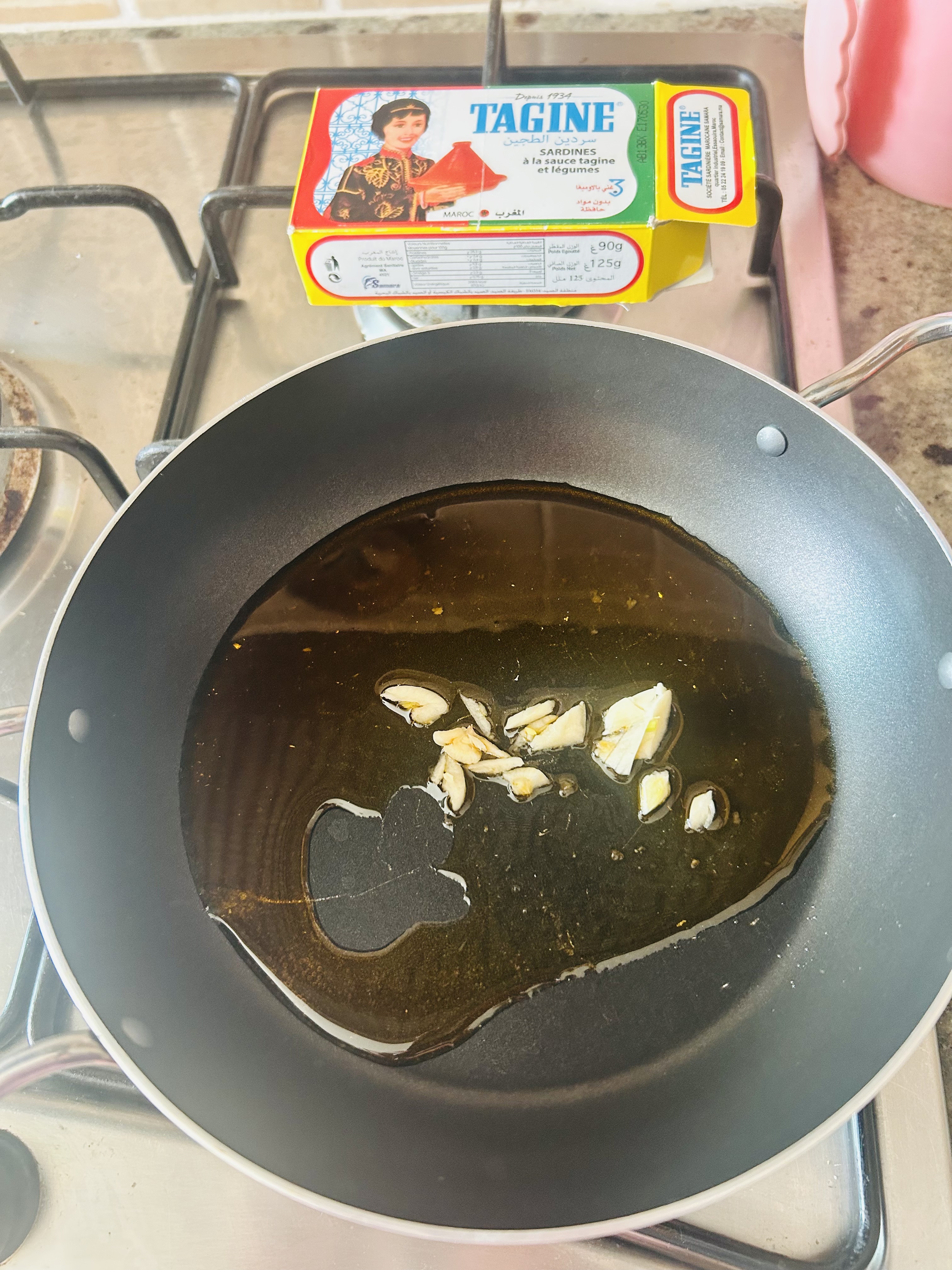
On a hot summer’s day, simple lazy cooking is the way to go! So, I decided to make an easy egg dish using this Tagine Sardine. First, I heated the liquid from the can and added garlic…
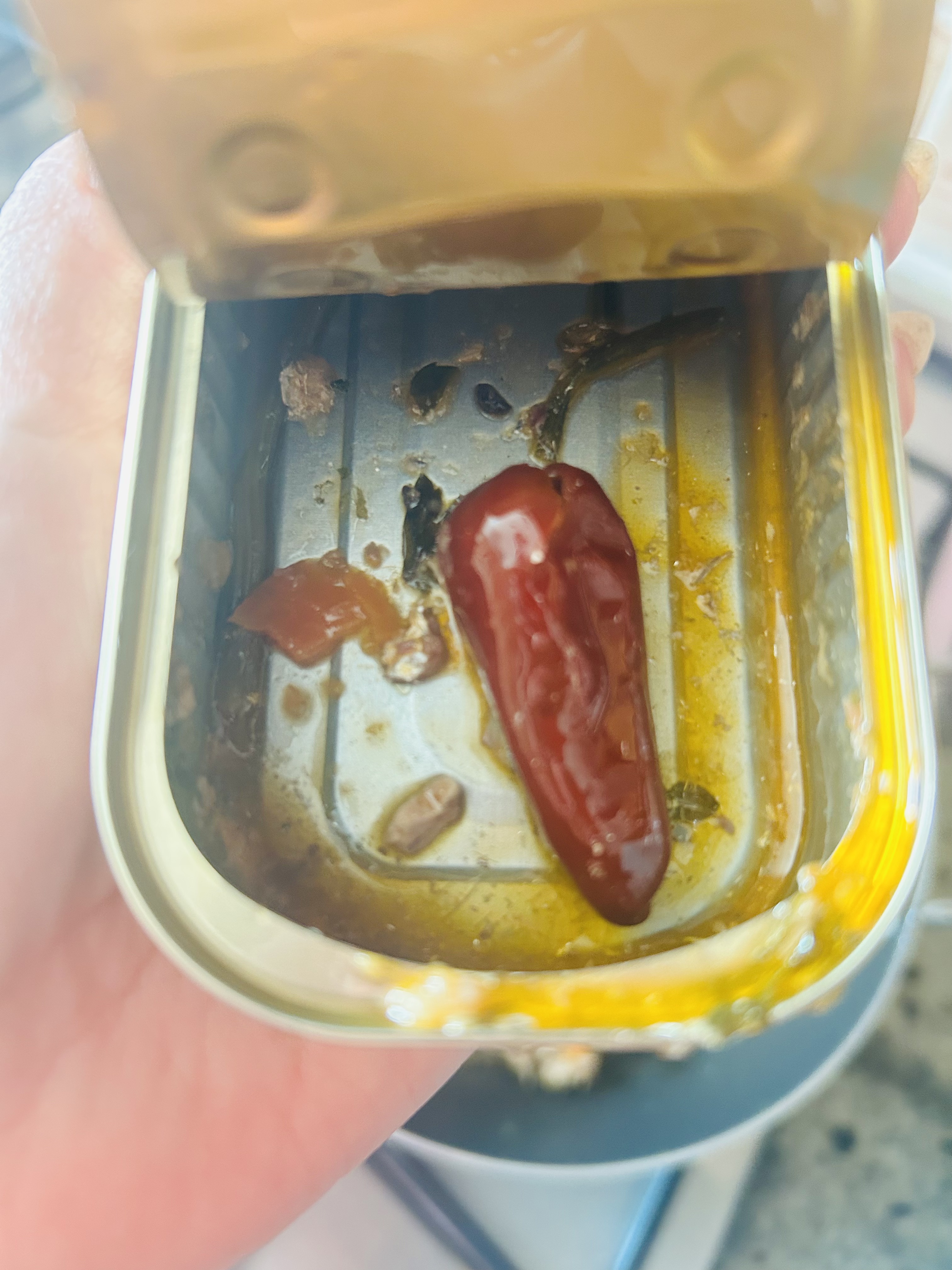
Then, the sardine goes in. Oh dear, there was a substantial looking chili pepper hiding in a can. Does it mean this fish is spicy? Well, I said farewell to the chili – it didn’t go into my frying pan. Bye-bye.
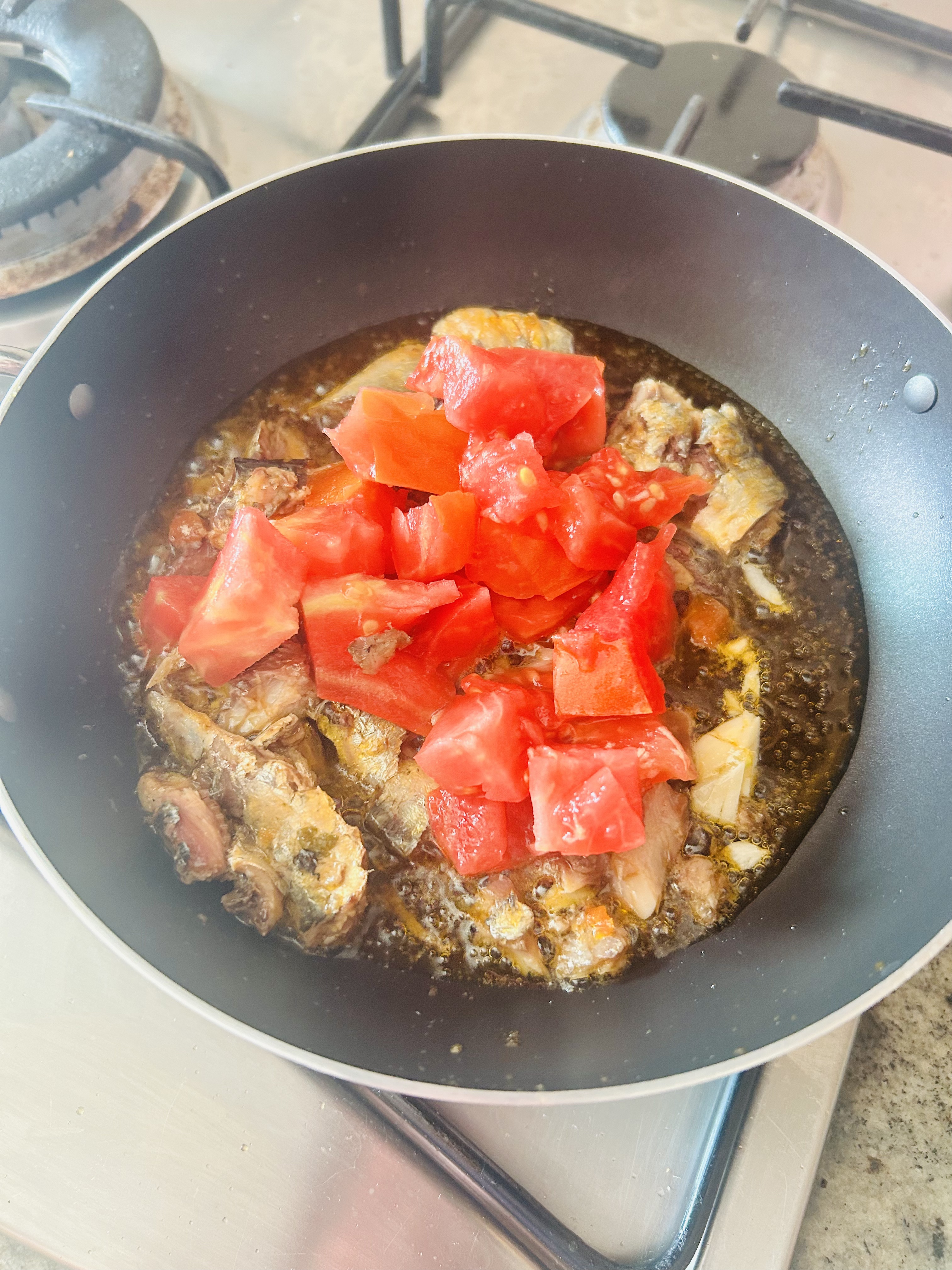
I happened to have some deliciously fresh tomatoes from the farmers market this morning, so I chopped them up and added them to the pan. Sweet and ripe tomatoes and sardines should be a perfect match, right?
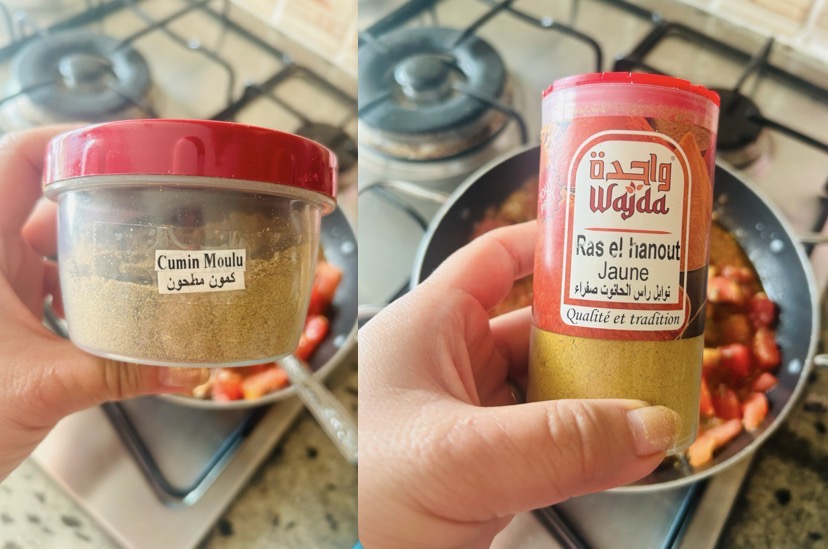
At this point, I started thinking “it would be too lazy and embarrassing as a chef of the house, not to add any spices…” so, I sprinkled on cumin, an essential flavor in Moroccan cuisine, and Ras el Haunt, a spice that I highly recommend for making anything “Moroccan-Flavored.”
そして、「いくらタジーン味とはいえ、何かスパイスをいれないと主婦として恥だわ」と勝手に決めて、モロッコ料理にはかかせないクミンと、<これがあればなんでもモロッコ風味になる>という太鼓判スパイス、Ras el Hanut をパラパラっと。
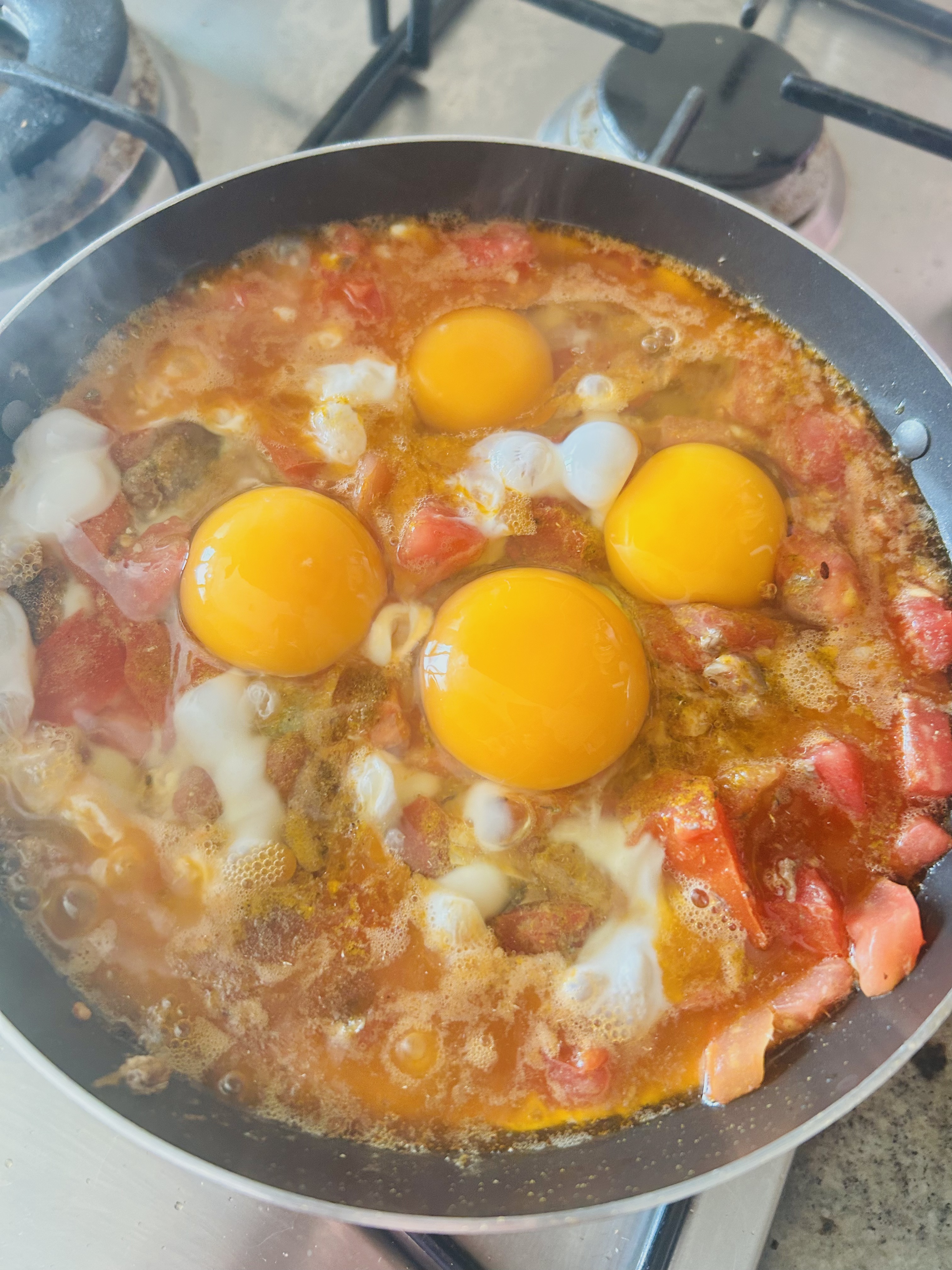
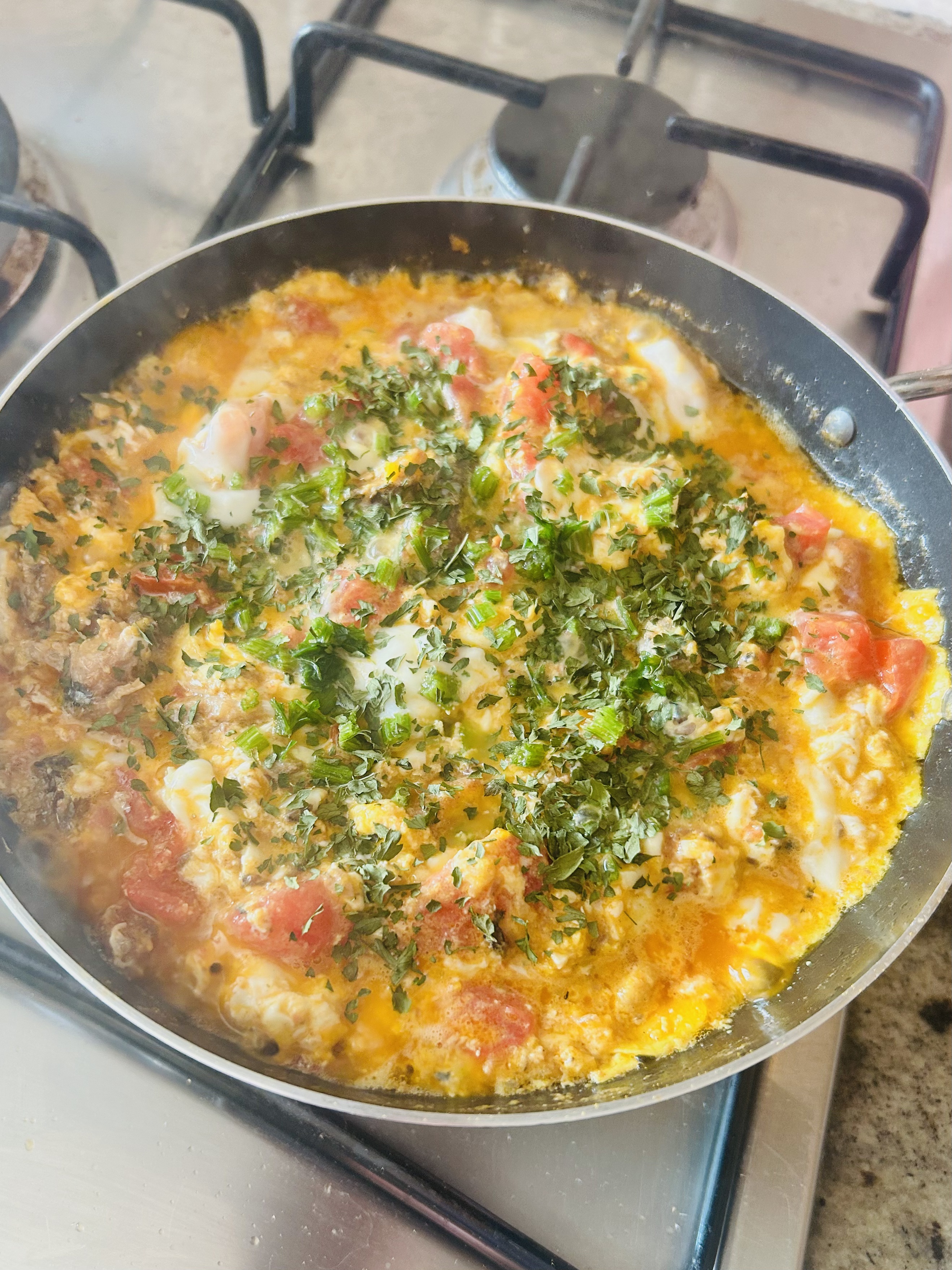
After that, eggs went in. I kind of like how the yorks are all different sizes. Very organic, very real. Then, wait for a bit for the eggs to cook.
Finally, some parsley on top. Voilà! It’s done! 最後に、パセリをまぶしまして、はい、終了!
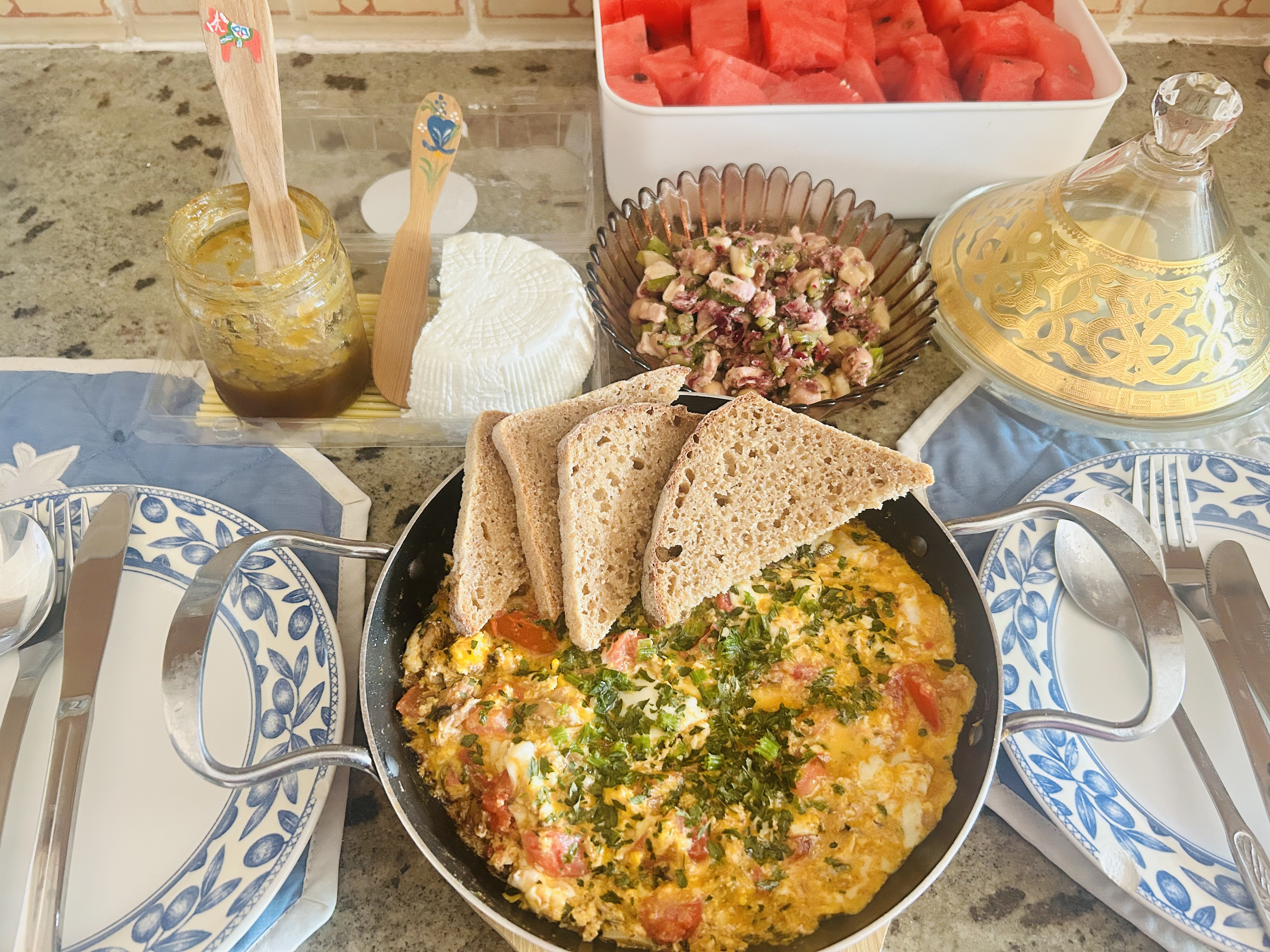
This is what our “easy summer dinner” looked like. Now as for the taste, it wasn’t as spicy as I expected, and the sardines had a very authentic, deep flavor. With some nice toasted bread as well as pieces of fresh goat cheese, which were also from the farmers market, I thought it was a pretty successful dinner! A good amount of protein, no added salt. I say, it was a pretty heart-healthy diet that our cardiologist would approve.
We’ve been living in Rabat for almost a year and a half, and even now, I am still touched by the kindness and warmth of the Moroccan people almost every day.
For example, today, my husband had a little “surprise”: it was a “huh? Where is my wallet?” situation! We were out for a walk and did a little shopping at Hanut, when he realized that his wallet was missing. The store staff helped him search, even showing us the security camera footage. We spent about 15 mins searching for his wallet, but had no luck.
Then my husband’s phone rang. “I have your wallet! I found it on the street. Where are you now? Shall we meet up?” Overjoyed and excited, we went to meet this kind person right away, Hamdullilah! The gentleman was so sweet, asking us, “Is everything inside? Nothing is gone? I thought I would contact the embassy (as there was his Carte de Sejour – Residency Card – inside), but good thing, there was a phone number, too!” We tried to offer him a reward, but he replied, “No, no. This is just the right thing to do. I’m the one who is happy to be able to do a good deed today…”
Turned out, he was a local cardiac surgeon who knew my husband’s cardiologist. Small world 🙂 By the way, we met up at the nearby bar (this gentleman lives close by). “Let’s have a drink together next time! Oh, but considering your heart, just a little, okay?” My husband not only got his wallet back, but also received important advice from the doctor. What a truly wonderful, kind person he was. Chukran Bzaf!
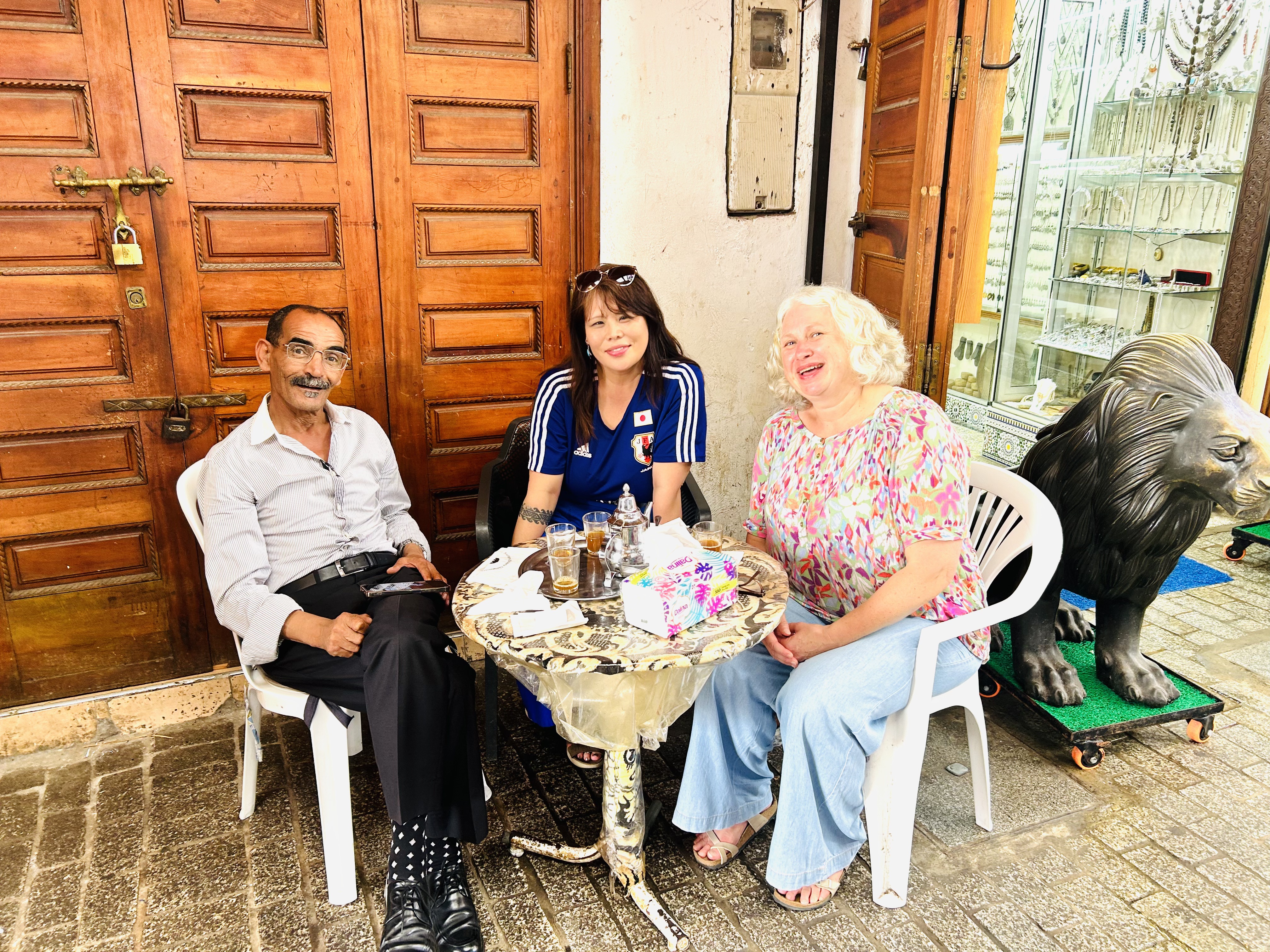
Another example comes from the time my friend and I were walking through Old Medina. A gentleman struck up a conversation and asked us, “If you have time, how about a glass of Moroccan whiskey?” Moroccan whiskey is, you guessed it, mint tea, of course. So, a table appeared from out of nowhere, with a nice pot of tea on the side of the road. A shopkeeper nearby brought some cakes, and another shopkeeper also joined the conversation… a corner of the media suddenly transformed into a charming little café! I guess that’s Moroccan hospitality – and it was great for us to have “language exchange” time as well.
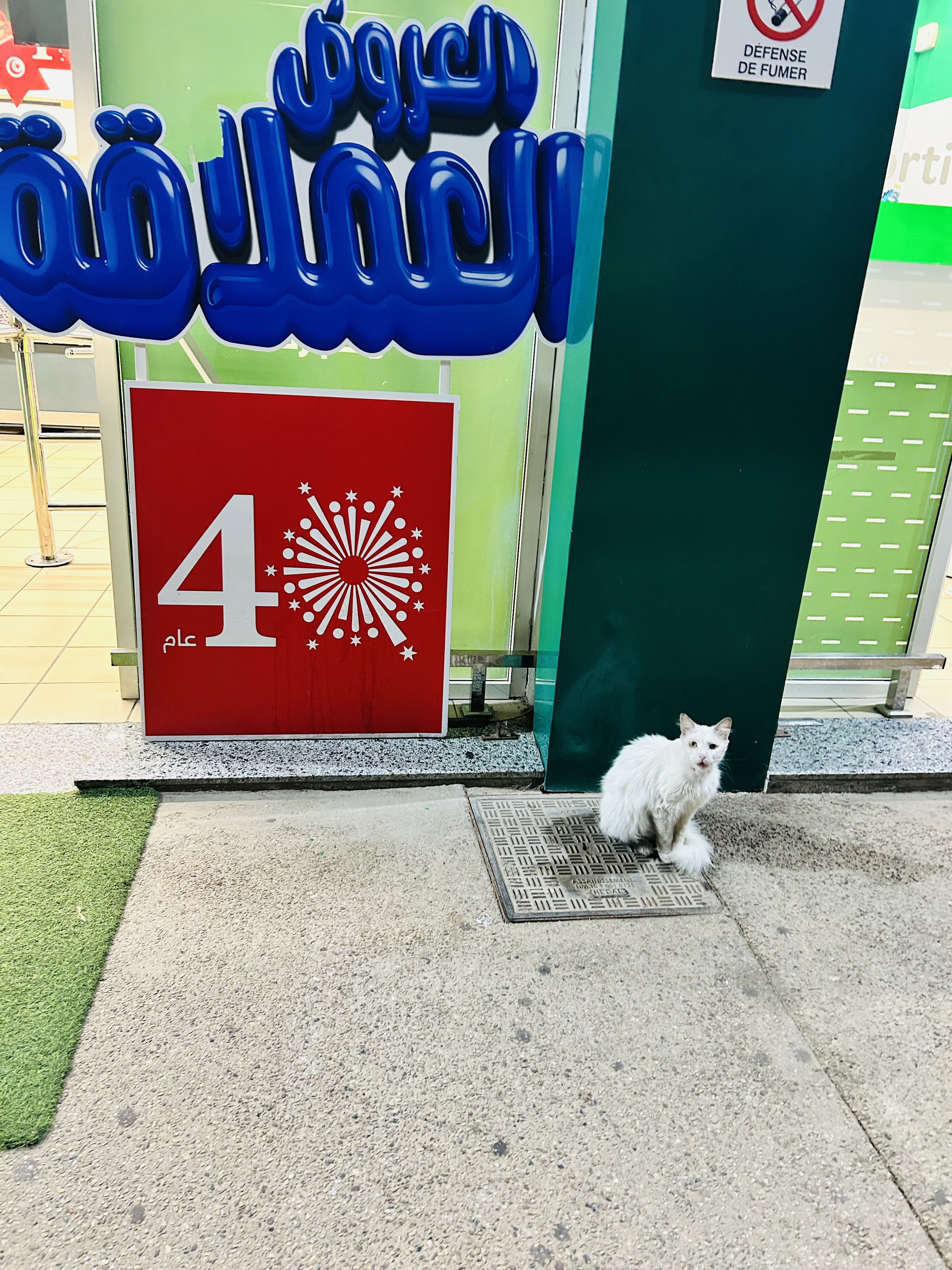
On trams and around town, we often see young people giving up their seats to the elderly, or helping people with heavy bags and such. Someone is always there to feed and water the stray cats. Drivers who stop when we want to cross the street are very courteous, and the staff in restaurants or shops are always welcoming and all friendly, and never show negative attitude toward my terrible French or Darija.
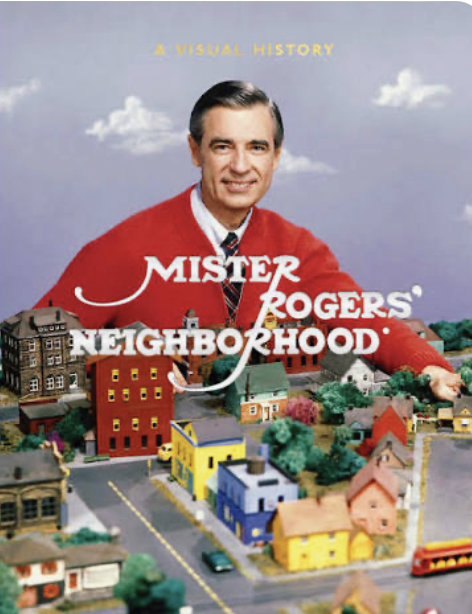
Living in Rabat feels like listening to a song by Mr. Rogers: “It’s a beautiful day in this neighborhood, a beautiful day for a neighbor. Would you be mine? Could you be mine? Won’t you be my neighbor?” Every day, we are reminded that it’s such a blessing to live here, surrounded by kind-hearted people.
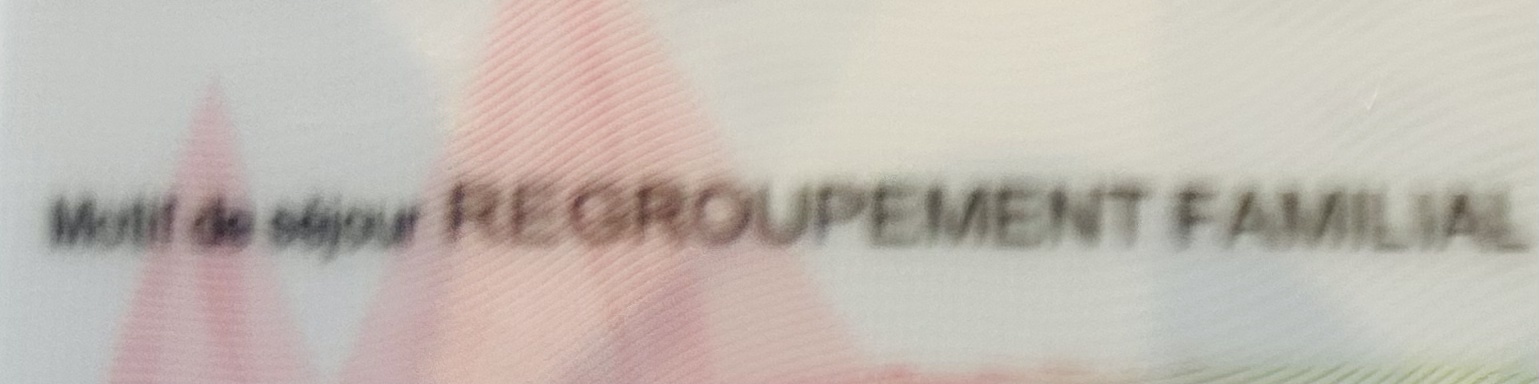
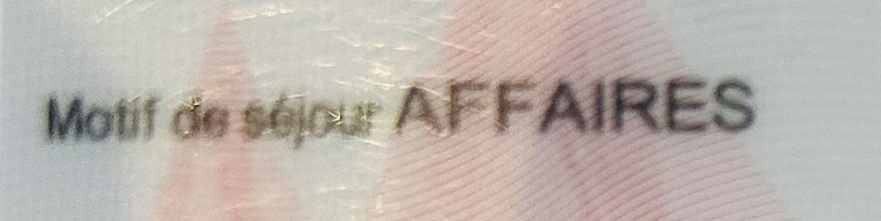
By the way, each of our Carte de Sejour has a category for “reason for residence” written on the back of cards in French. Mine is “Regroupement Familial,” which means “accompanied by family,” which makes sense. My husband’s entry is “Affaires“- in French it means “business”, but in English it can also mean “affair/adultery”, making it a rather scandalous category of words. Hehe.
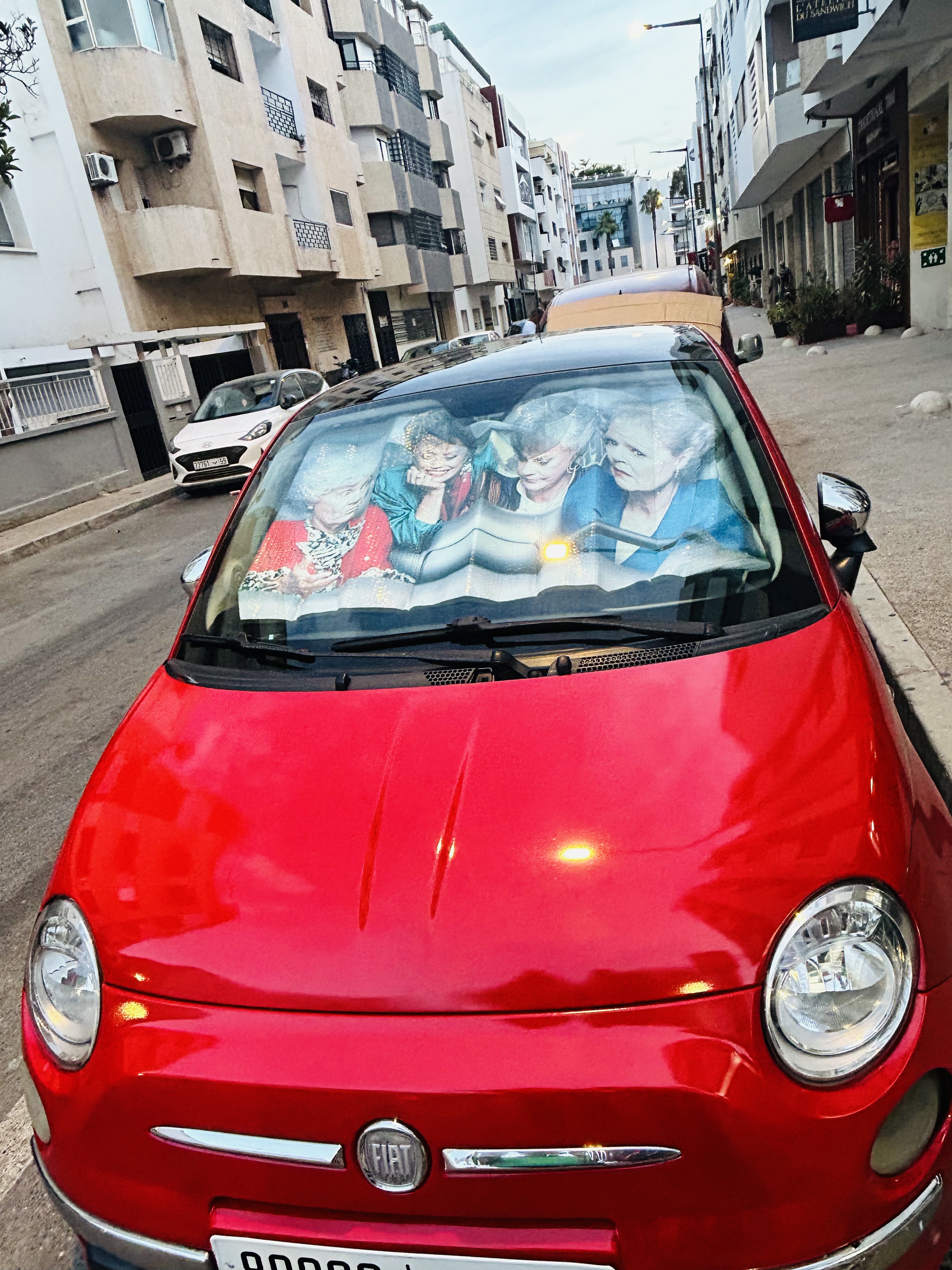
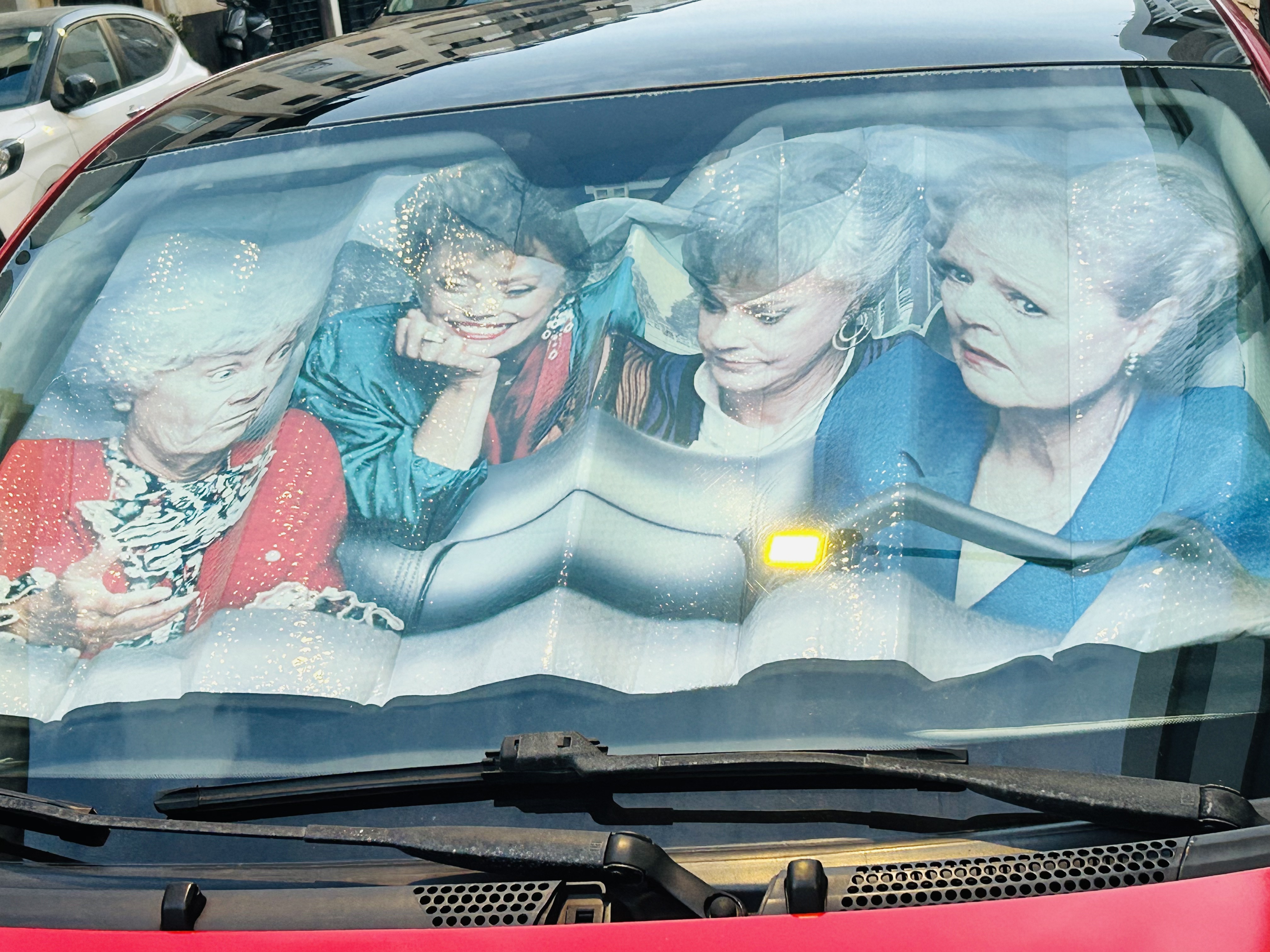
I had a shocking encounter the other day, just a few blocks from our apartment, that I couldn’t move for a while.
先日、あまりの急な出会いにびっくりドッキリしてしまい、しばらく動けない状態になってしまいました。
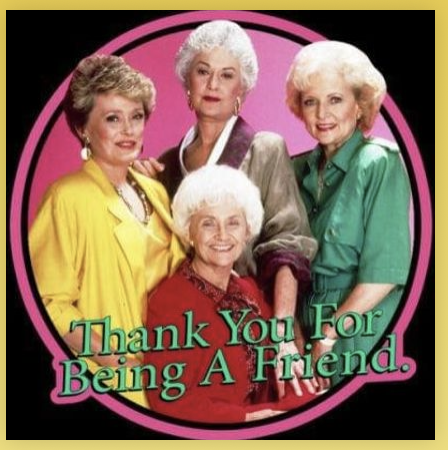
The Golden Girls Sun Visor in Morocco! ゴールデン・ガールズの車用サンバイザー in モロッコ!
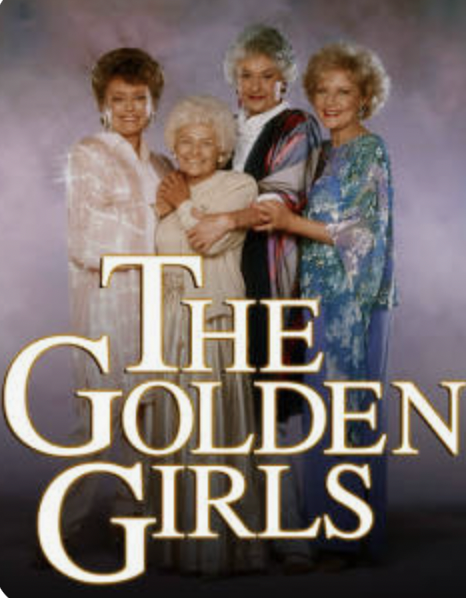
For those who don’t know how iconic the Golden Girls show is in the U.S., let me tell you; The Golden Girls was a television drama series that aired for eight seasons, starting in 1985. It captured the lives of four wonderfully ‘aged’ ladies – Blanche, Sophia, Dorothy and Rose – who have finished married lives and raising children, and started living together in Miami. Their comical conversations, filled with juicy romance, mishaps, and dramas, were so attractive that they even won an Emmy Award.
I believe that “aged” things are wonderful. Fruits, cheese, balsamic vinegar, or wine for those who drink. Perhaps it’s after their 50s that women finally develop a deeper, more refined charm, with better taste in lifestyle choices after experiencing both sweet and sour aspects in life. So, when such nicely-aged women came together, it’s no wonder that the Golden Girls became popular and ended up as a big hit.
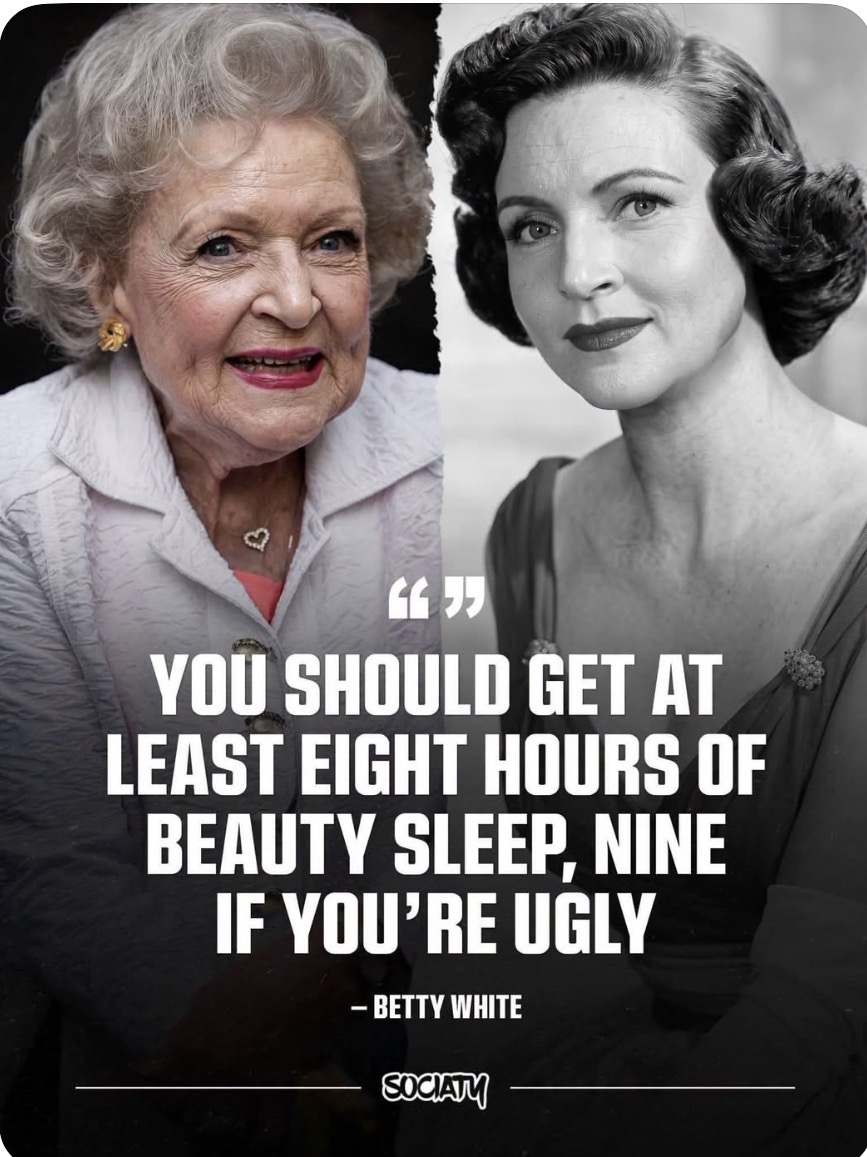
When I moved to America for the first time, I watched reruns of the Golden Girls. It became one of the best shows to understand the “American sense of humor”, I must say. And my favorite character was Rose, who was played by Ms. Betty White. Oh she was, and still is, my hero! She’s so playful, witty, a bit naughty, and adorable. Betty was an active actress until she left the earth at age 99. Absolutely stunning lady!
Anyway, why did I see the sun visor with the Golden Girls here? Was the show popular in Morocco? I started thinking, and of course, the theme song “Thank you for being a friend” was stuck in my head while thinking. I don’t know the definitive answer, but it seems the entire series is available to watch on <Disney+ Morocco>, and even in French! Well, that’d be something I would enjoy watching…
で、The Golden Girlsはいったいモロッコで流行っていたのか?テーマソングの<Thank you for being a friend>が私の脳裏で止まらない状態な中、すごーく大切な質問が頭にあがりました。確実な答えはわからないのですが、どうもDisney+ Moroccoで全シリーズ視聴できるようです。それも、フランス語で。うふふ、なんだか観てみたい。
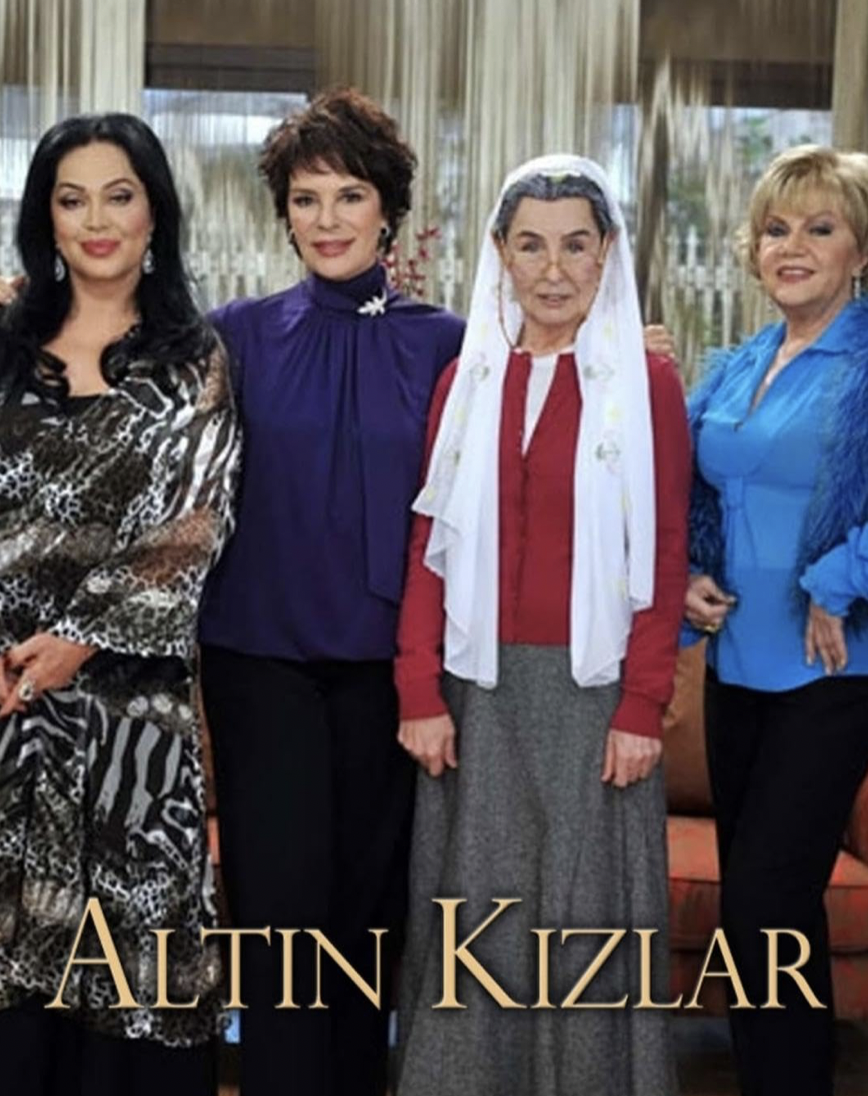
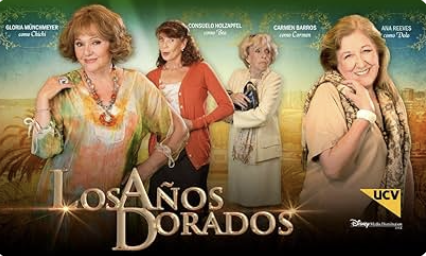
Incidentally, other countries really jumped on the concept of this “mature women power” sitcom and created their own versions. For example, “Altn Kizlar” was Turkish Golden Girls, just not in Miami, but in Istanbul. How about these beautiful Chilean ladies? Their show was called “Los Años Dorados”, so, I guess they were living in the Golden Years of their lives.
ちなみに、このような<熟女パワー>がモティーフのテレビ番組は他の国でも制作されているようです。例えば、Altn Kizlarは、ゴールデン·ガールズがマイアミの家からイスタンブールへ移った感じでしょうかね。チリの熟女達もお元気そうです、その名もLos Años Doradosなので、ゴールデン·イヤーズですね。
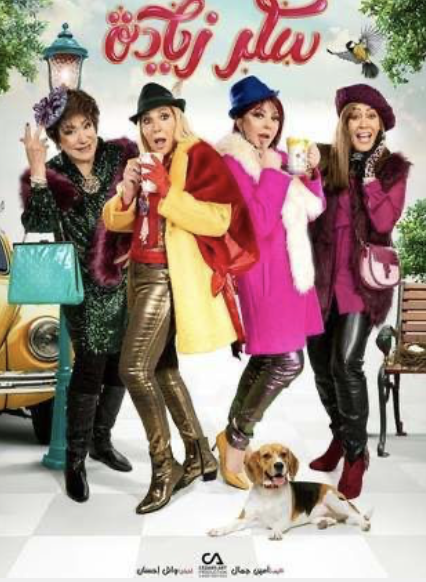
Representing Africa, I would like to introduce “Sukkar Ziada” ladies from Egypt. With their “extra sugar”, I am sure they all have sweet lives, like four Cleopatras enjoying nectars of fruit… I find their colorful costumes quite lovely!
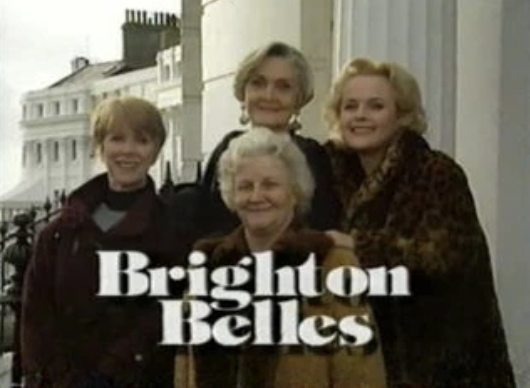
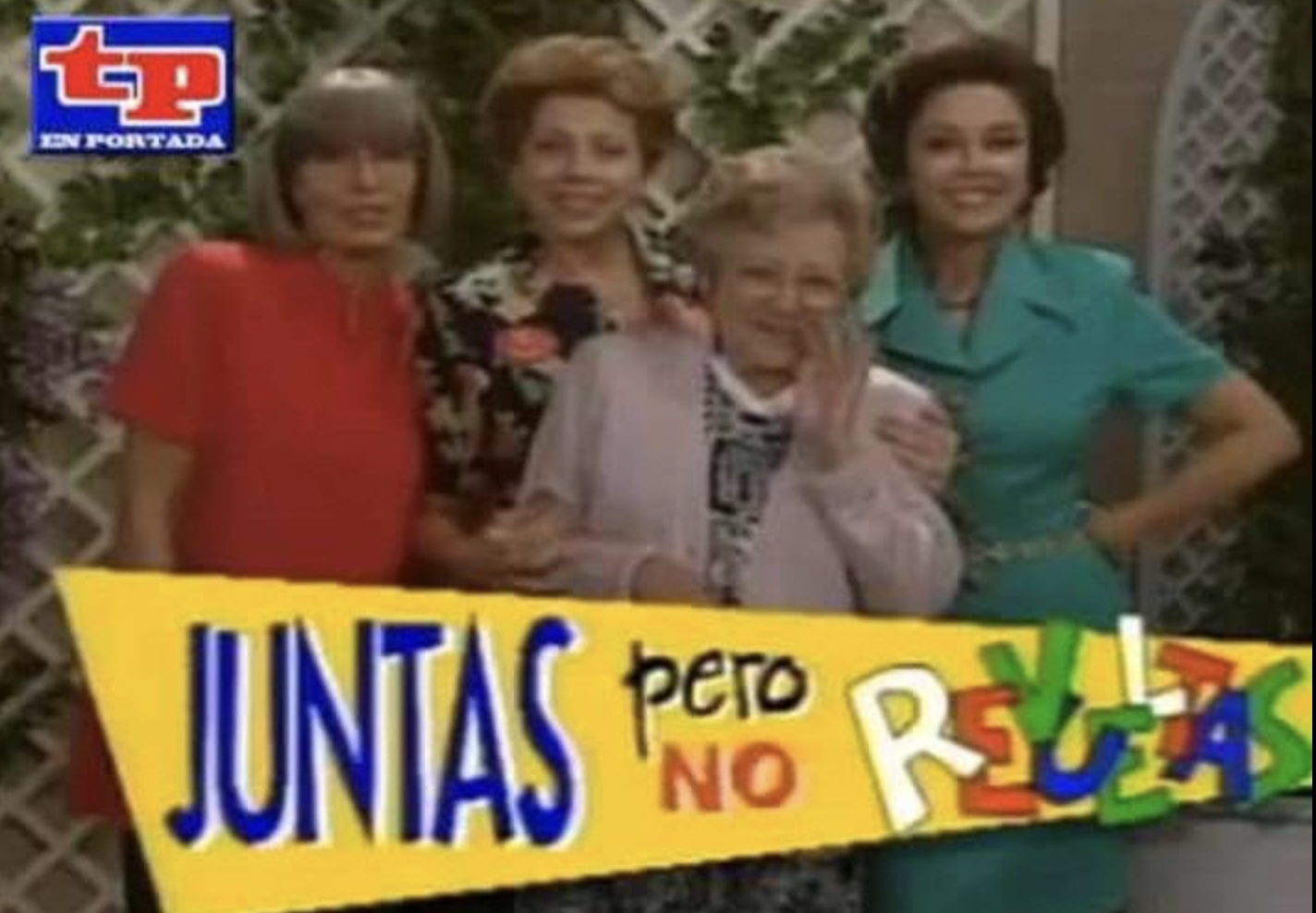
Four dames living on the coast of Sussex, England, were captured as “Brighton Belles.” In Spain, “together but not revolted” Chicas enjoyed their life together in the show “Juntas, pero no revuletas.” One of the Catalan women was portrayed as a <dissipated and a man-eater>; well, I guess cougars are everywhere in the world…
イギリス、サセックスの海岸に住む4人組は、<ブライトンの美女達: Brighton Belles>だそうです。そして、”うんざりしない共同生活 (Together, but not Revolted)”を楽しむスペインの熟女達。うち1人のカタラン人女性は「ふしだらで男好き」という設定だそうです。やりますね。このJuntas, pero no revueltas, なかなかドラマティックそう。
“Girl Power” is so appreciated and so refreshing regardless of where you are from. And, now, I am ready to say to all my girlfriends, in Morocco, in the US, in Japan, in India, and in Hawaii, in EU… “Thank you for being a friend!”
このようにアメリカ版The Golden Girlsを元にしたドラマは、数々の国で作られていたようです。どの国に住んでいても、やはり『女の友情』は大切なのですね。”Thank you for being a friend!”
Tomo
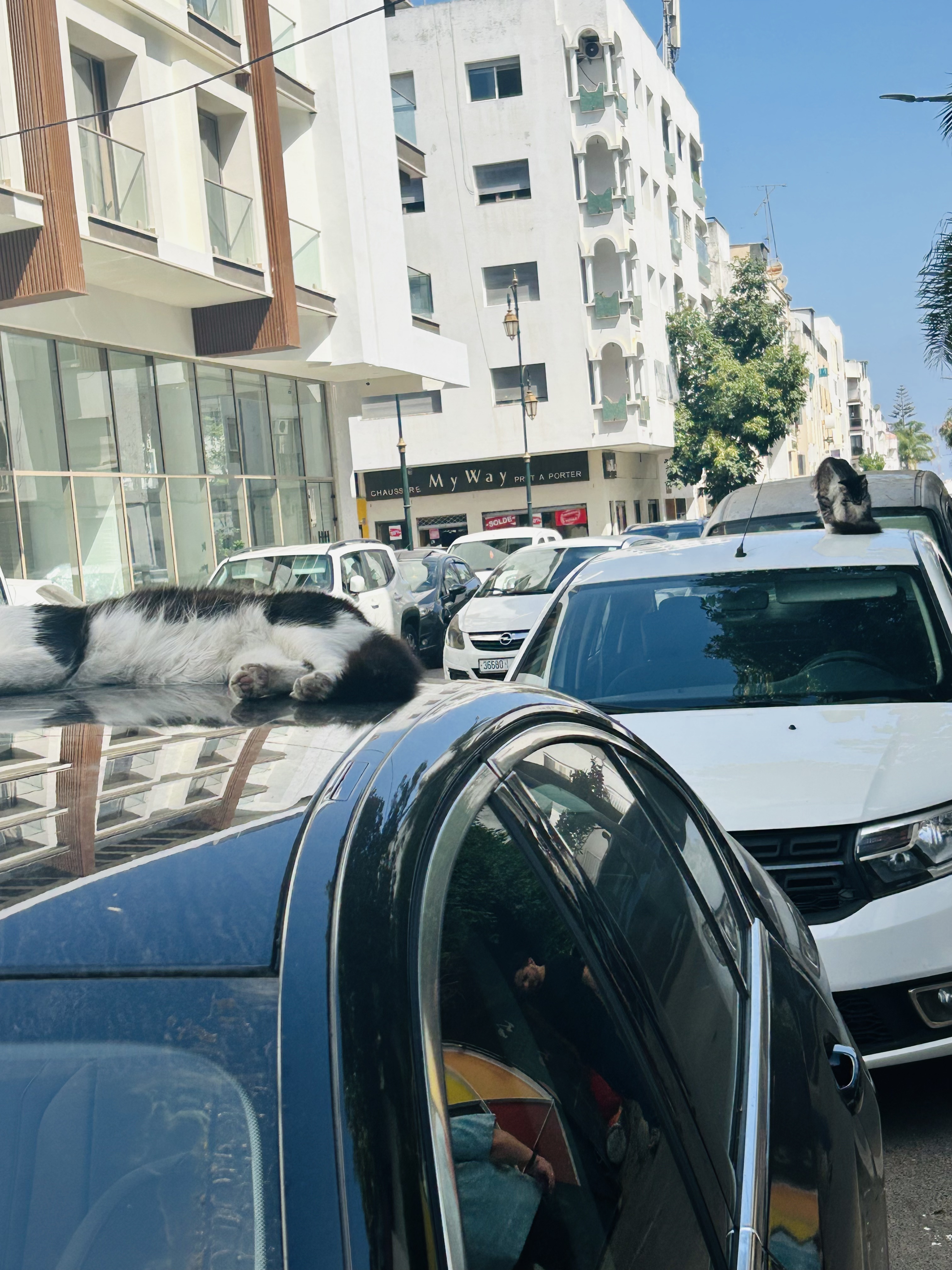
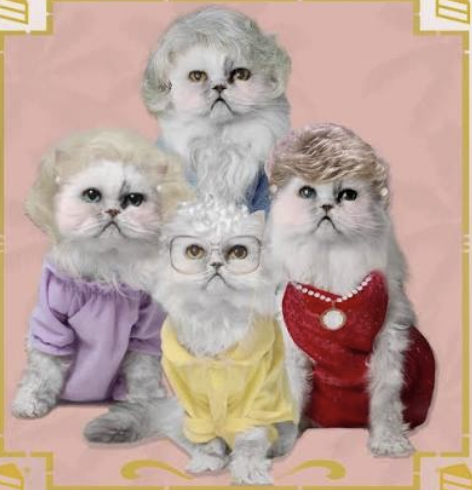
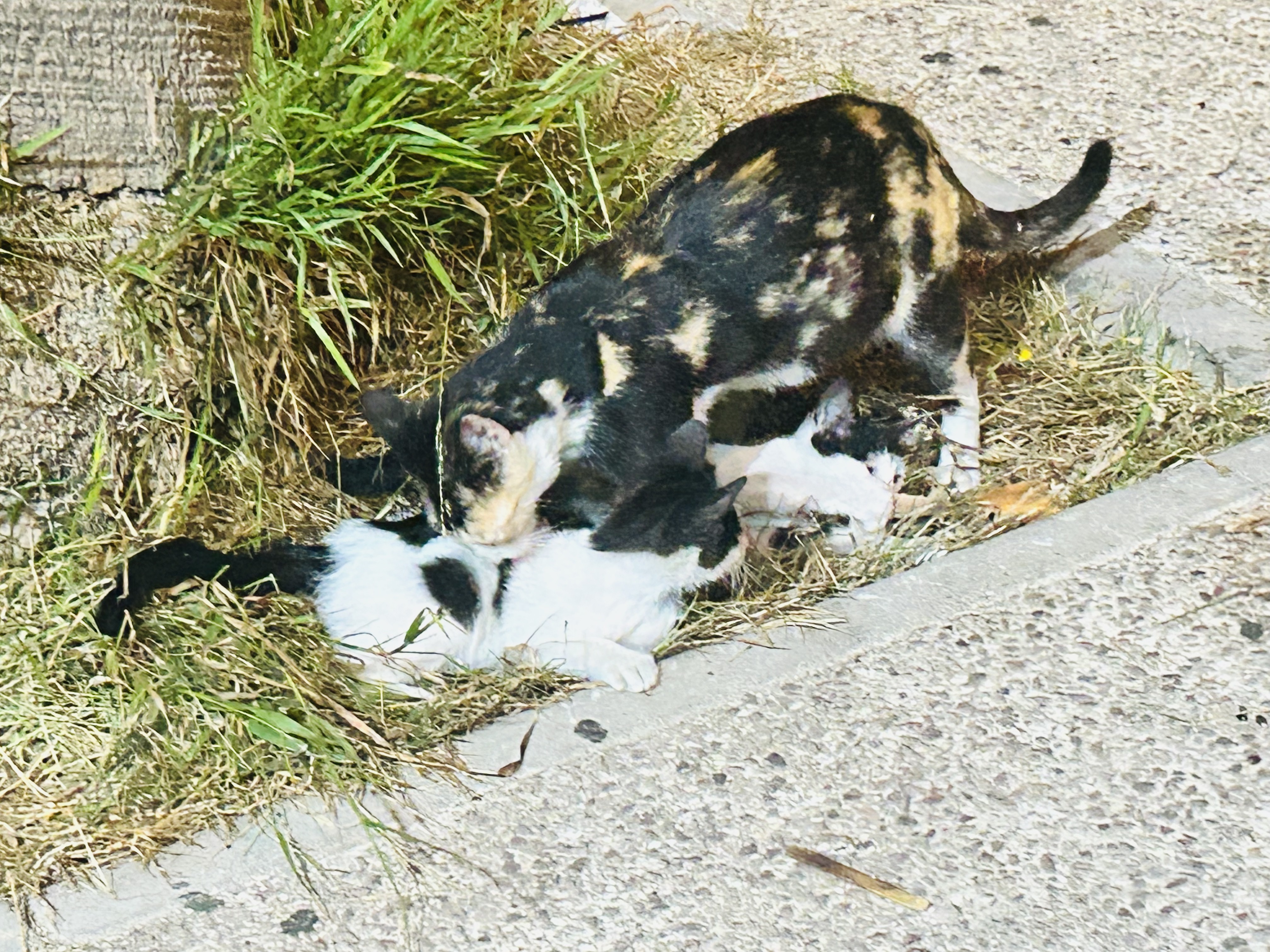
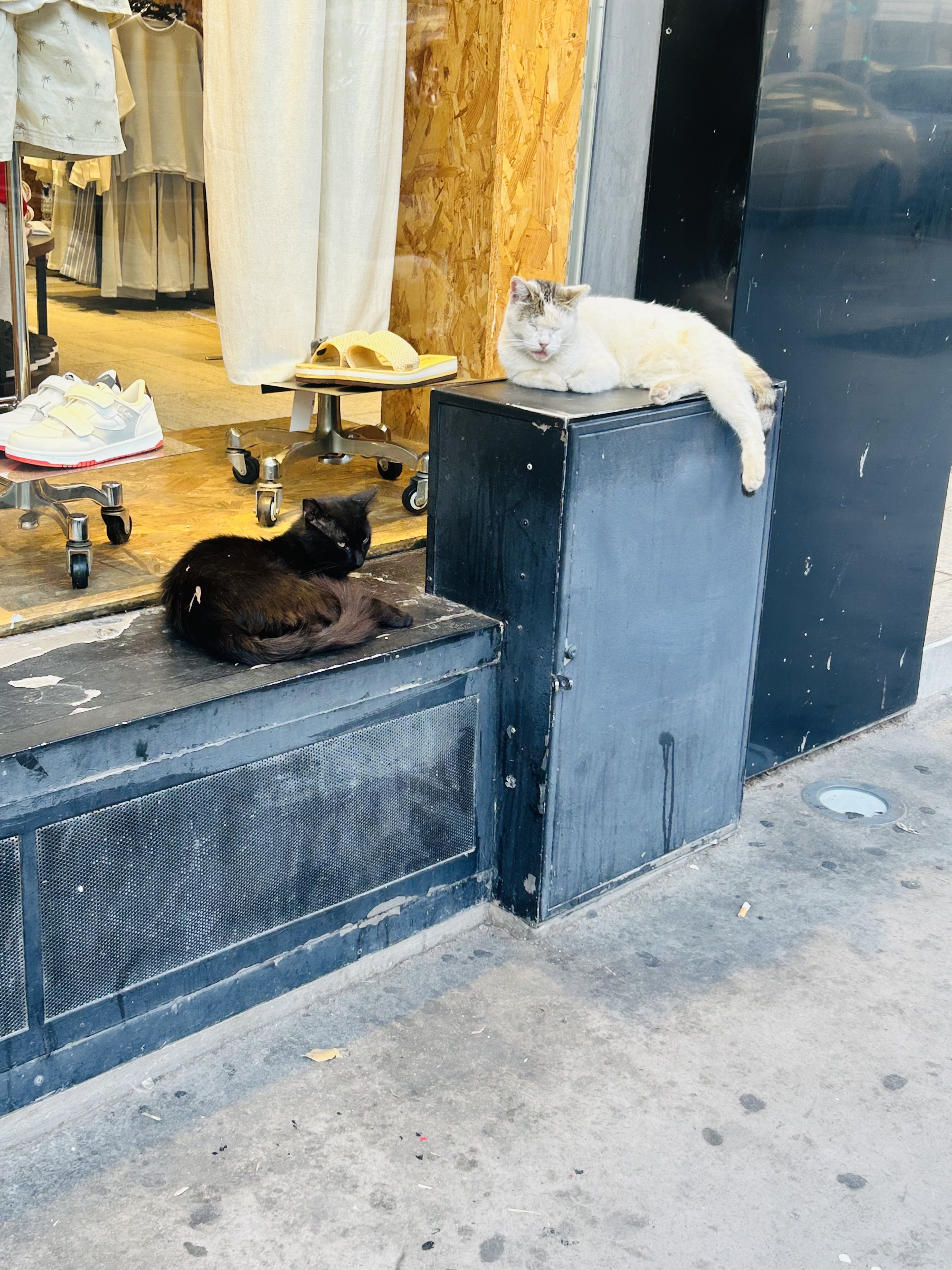
The cats of the day :: Les chats du jour :: 今日の猫しゃん達
Please stop by at my salon again 💞🫖🍵 3afak & Chukran
What is your “weakness”? For me, it’s definitely a “going to the dentist.” Back in the states, I had a dentist I entrusted everything to, and his name was <Dr. Moody>. Yes, it’s his real name. I’d always be very moody the day before my dentist appointment. He was a very good dentist, but my “Dental Phobia” never subsided, though I somehow managed to endure it.
Now, we live in Rabat, been here for a year and a half. Surely, it’s about time to get my teeth cleaned. Just as I was thinking so, a piece of a previously treated tooth chipped – a very sad moment. Oh, well, it’s a sign that I really needed to see a dentist.
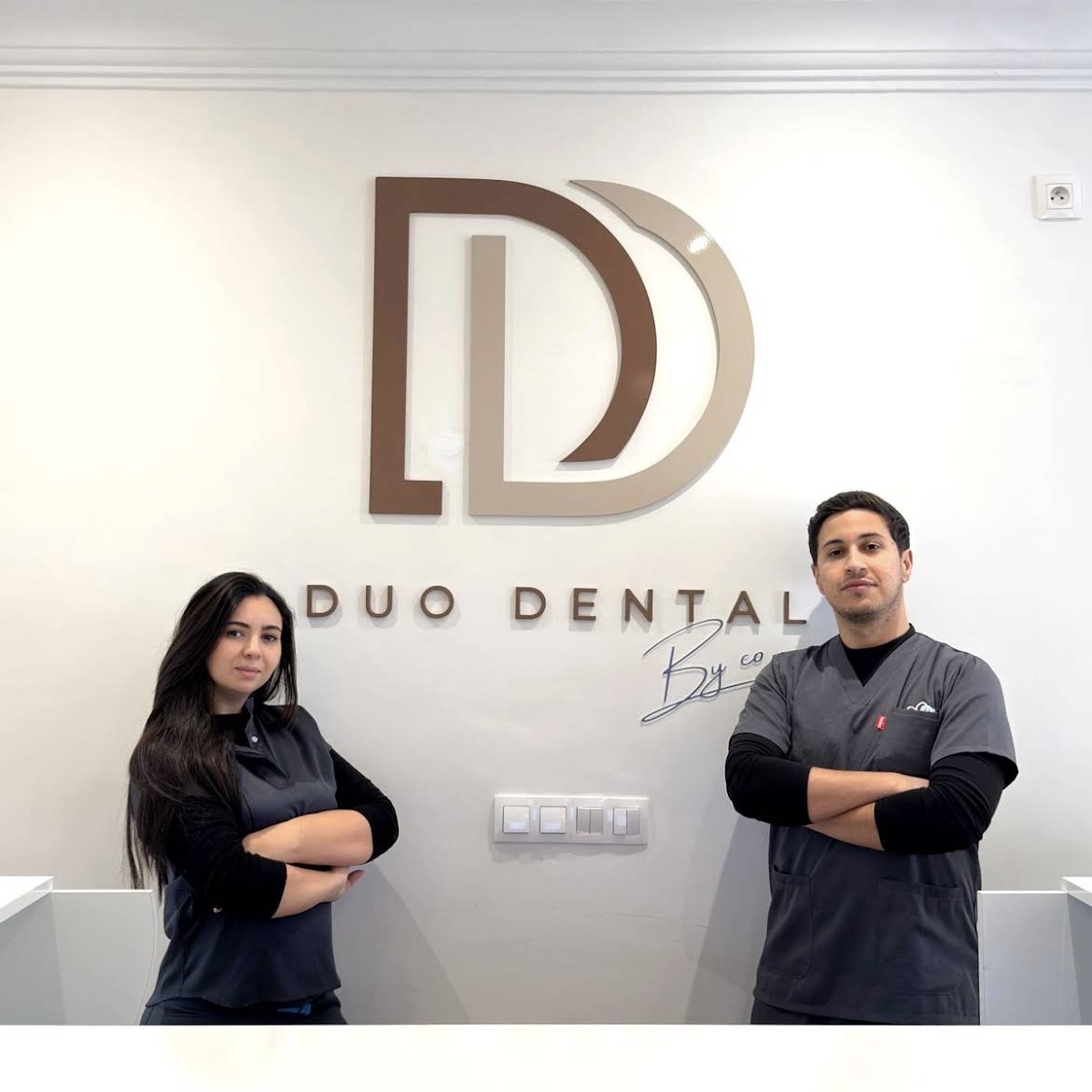
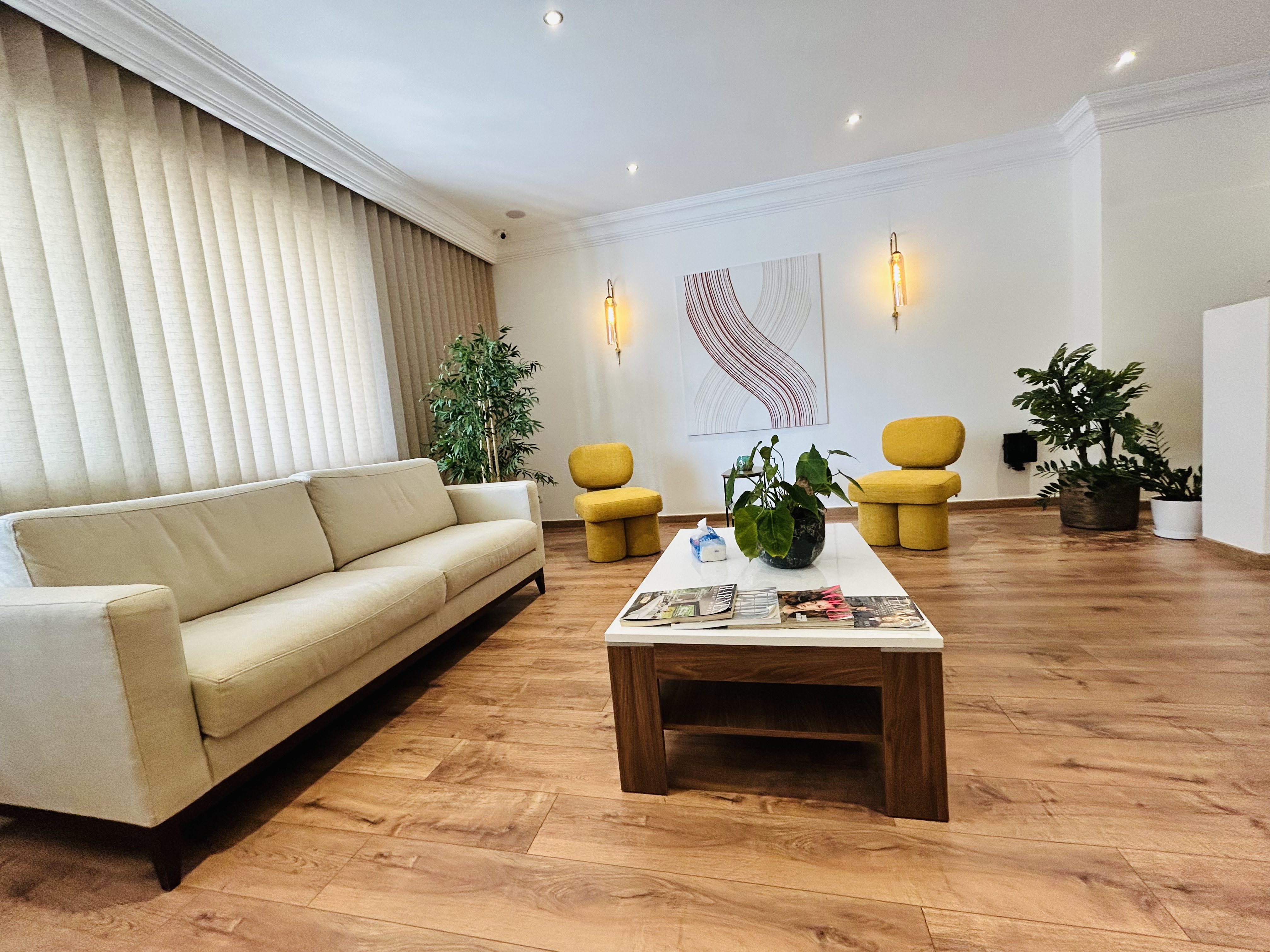
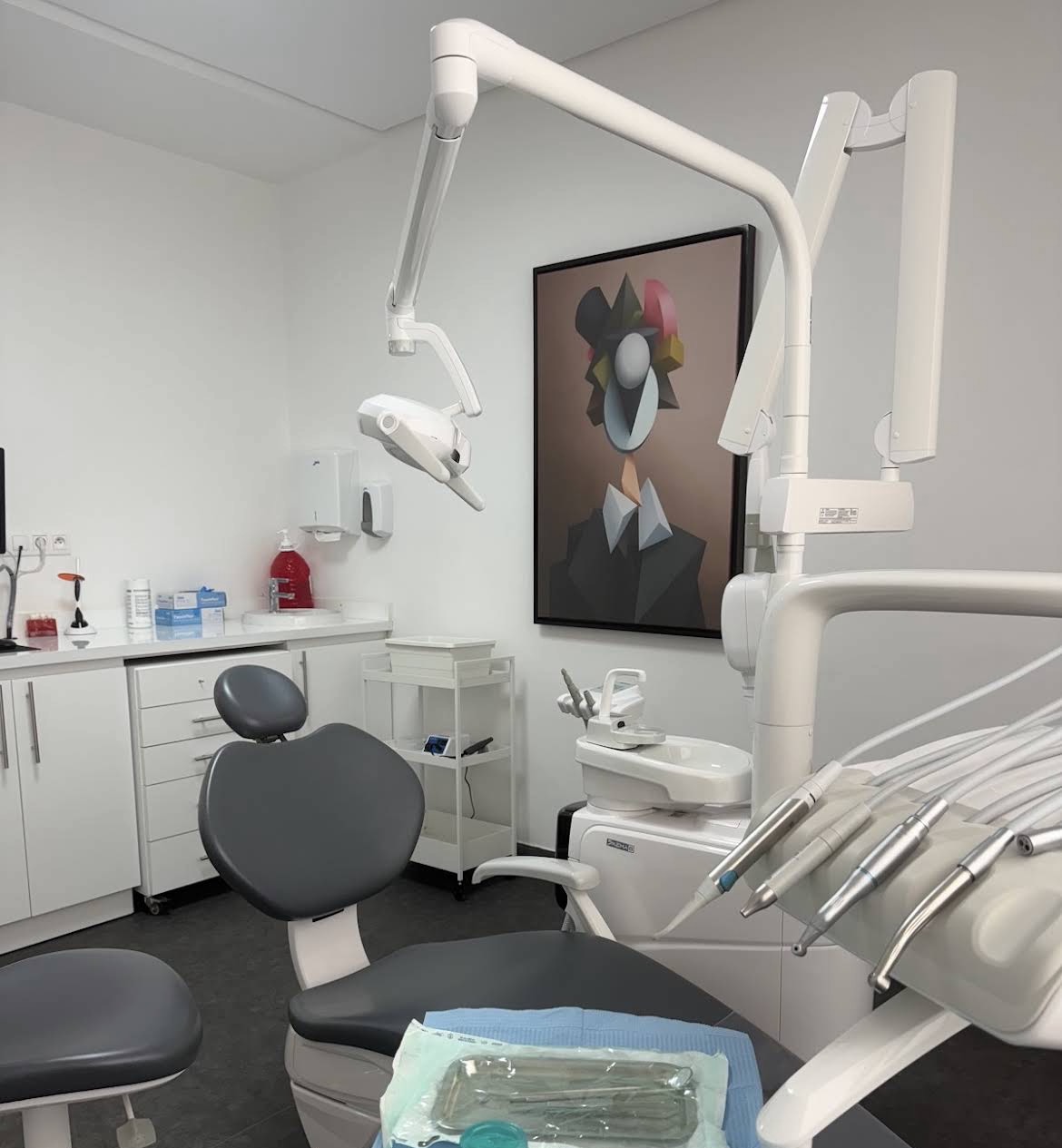
So, first thing first, “Dentist Shopping” started. We picked out well-reviewed dentists nearby, using the power of the internet and visited them in person. Duo Dentist, which is only an 8-minute walk from our house, seemed to be a very “comfortable” with a nice relaxed waiting room and a Rene Magritte-looking painting. I like Magritte. And, it’s close to my favorite Indian restaurant. “We could do a consultation now if you like!” and I was immediately taken to the treatment chair. Seriously??? I felt completely unprepared, both mentally and physically.
I had X-rays taken with the latest 3D scanner, was throughouly examined, then had many photos with flash taken with a cellphone-like device. It was like <Teeth-Selfie>.“This is what those TikTok girls feel like, maybe,” I thought. I was then led straight to a beautiful office, where my teeth were projected onto a huge TV screen on a wall, the one you’d watch football playoff games. I was both amazed and embarrassed at the same time, seeing my gigantic set of teeth. A young handsome dentist, Dr. Krafess, who is not moody at all, explained everything in English. Mostly just fine, but he pointed out, “these can be put in laminate veneers, they will look nice!”
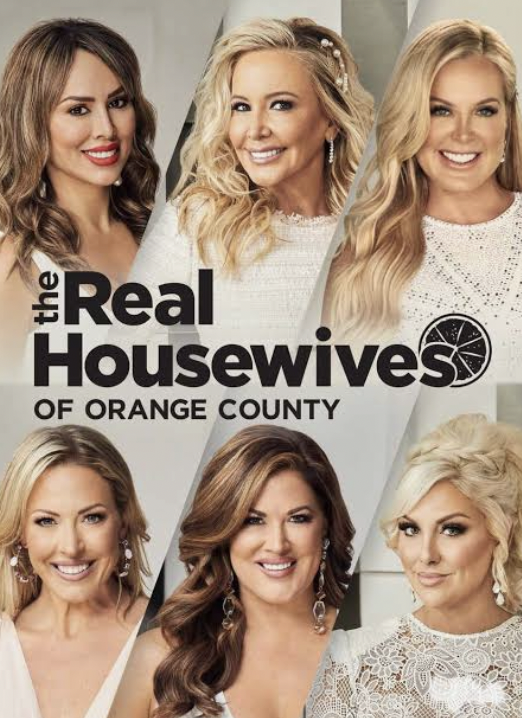
And so, my dental visits began just like that. Smoothly and unexpectedly. I thought that veneers were for the rich ladies of “The Real Housewives” shows or for the Hollywood celebrities, but I guess a normal civilian like me could get one, too. Maybe, I could start a “The Real Housewife of Agdal” series. Anyway, after only four visits (the last one was just a 2-minute check of the veneers), the results were amazing! The doctor was always attentive, and the procedure was done so gently and carefully, with “All-I-Can-Ask-Anesthesia” — I almost felt guilty.
I know I shouldn’t dwell too much on the cost differences, but the price of cleaning and these cosmetic dental treatments (veneers) here is probably 50%~80% less than what I would pay in the US, even without insurance (and let’s not start talking about the incredibly high insurance cost in the US…). No wonder that Morocco is one of the popular destinations for dental/medical tourism…
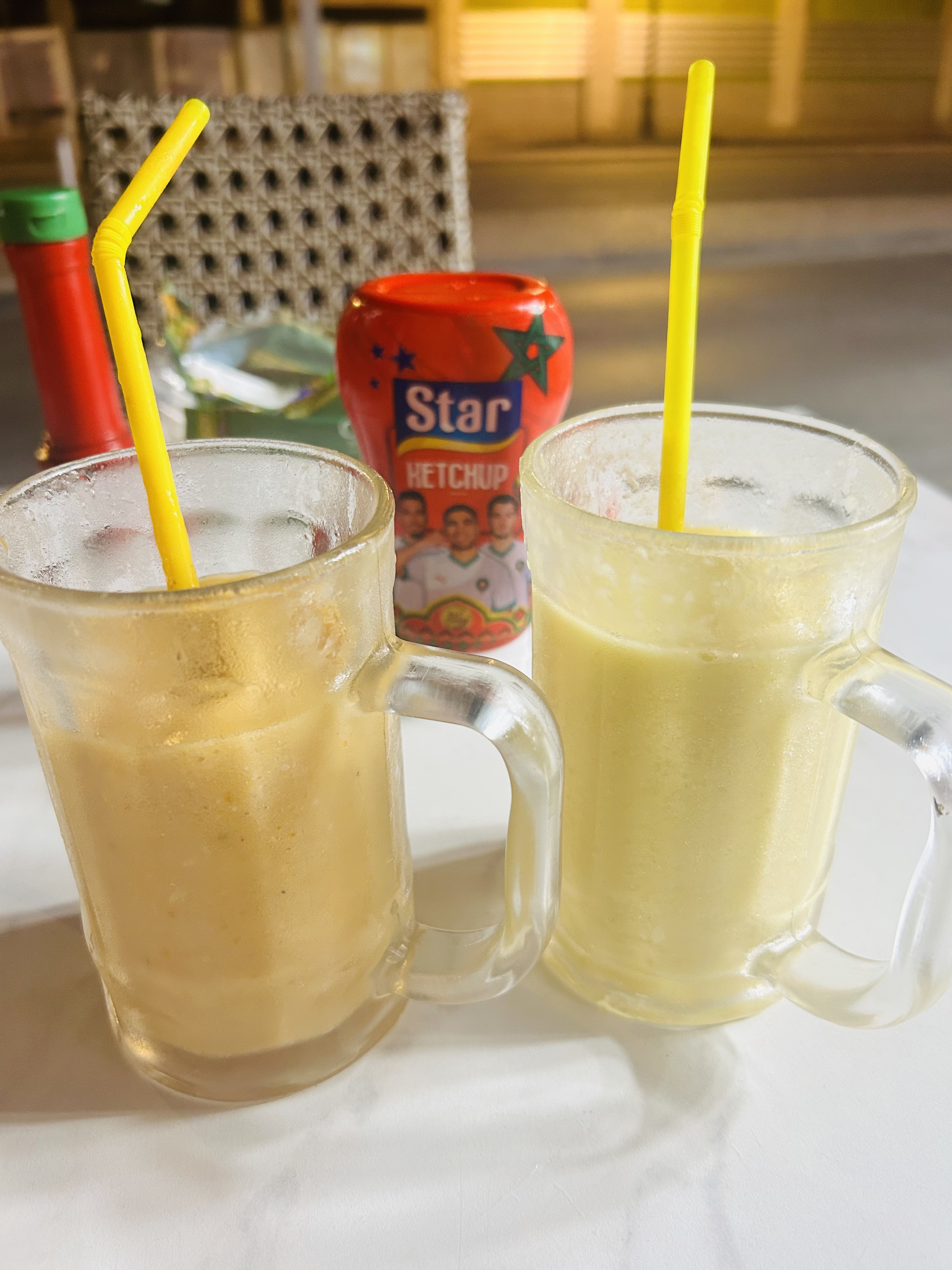
I don’t think my “Dental Phobia” will ever go away. It’s in my DNA and can’t do anything about it. But, I am so grateful for: 1) finding a dentist in this new country, a new neighborhood where I can receive satisfactory service, 2) for being able to make appointments easily, 3) for its walking distance location and, that means, I can treat myself with a yummy fresh juice at Sahbi (my favorite juice stand) after the appointment, and 4) for being budget-friendly. I feel like I am a big girl now! I am proud of myself to have taken a big step forward, as a person with a dental phobia, to have received dental care in Rabat. Having healthy teeth really does make you feel more positive & grownup, isn’t it?
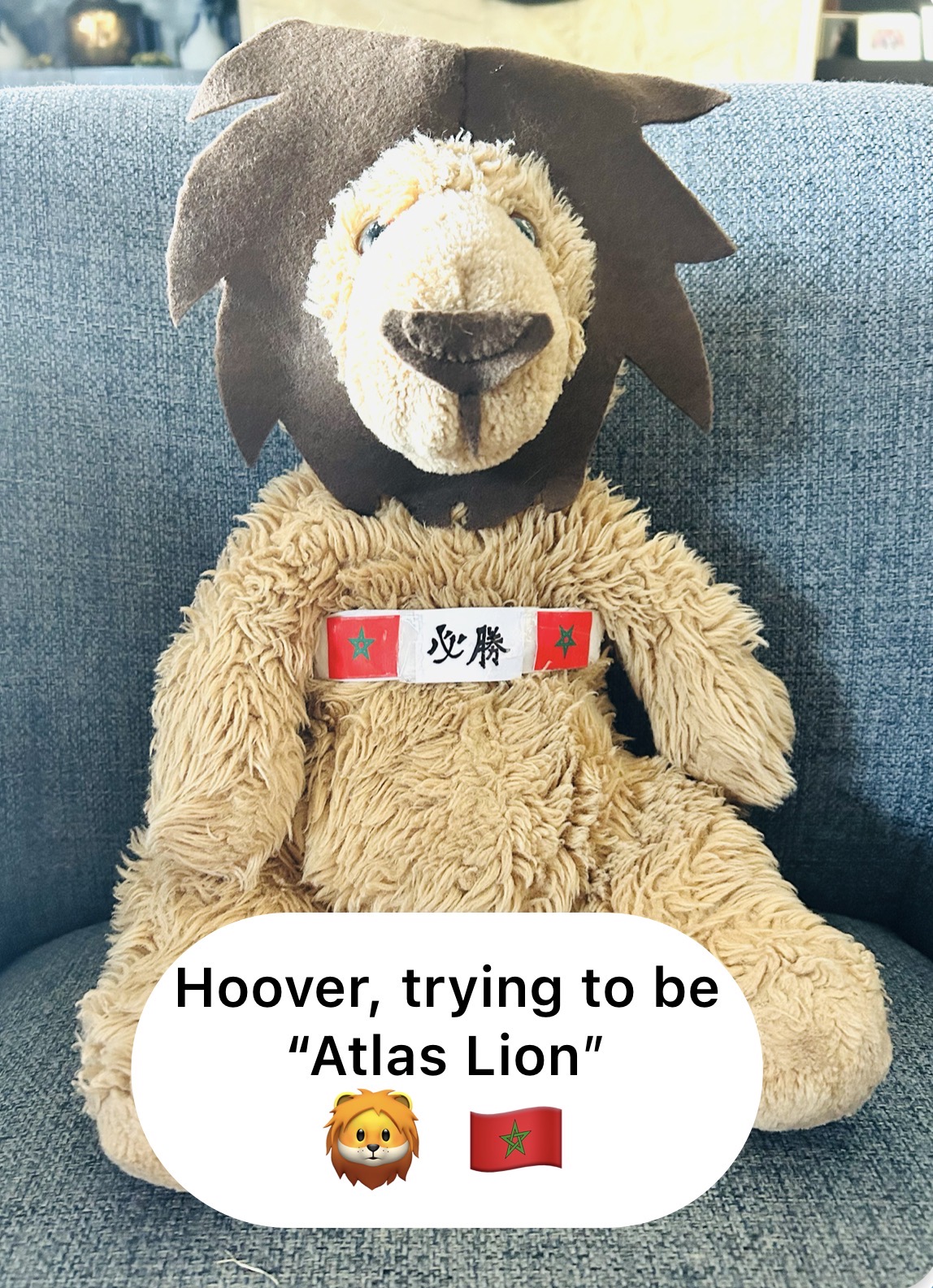
I would like to send BIG CHUKRAN to my husband and my teddybear who always come to my appointments for emotional support. By the way, the “Duo” in Duo Dental seems to come from the fact that they have two dentists in the office. It has nothing to do with Duolingo.
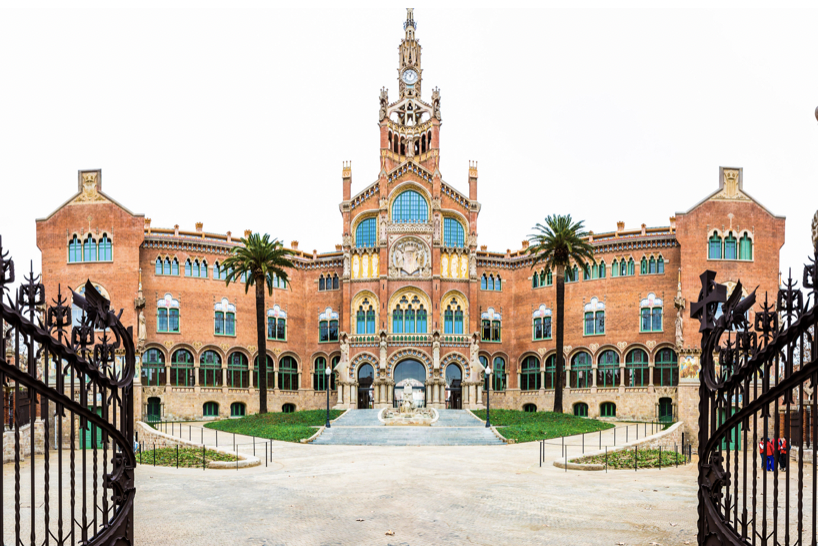
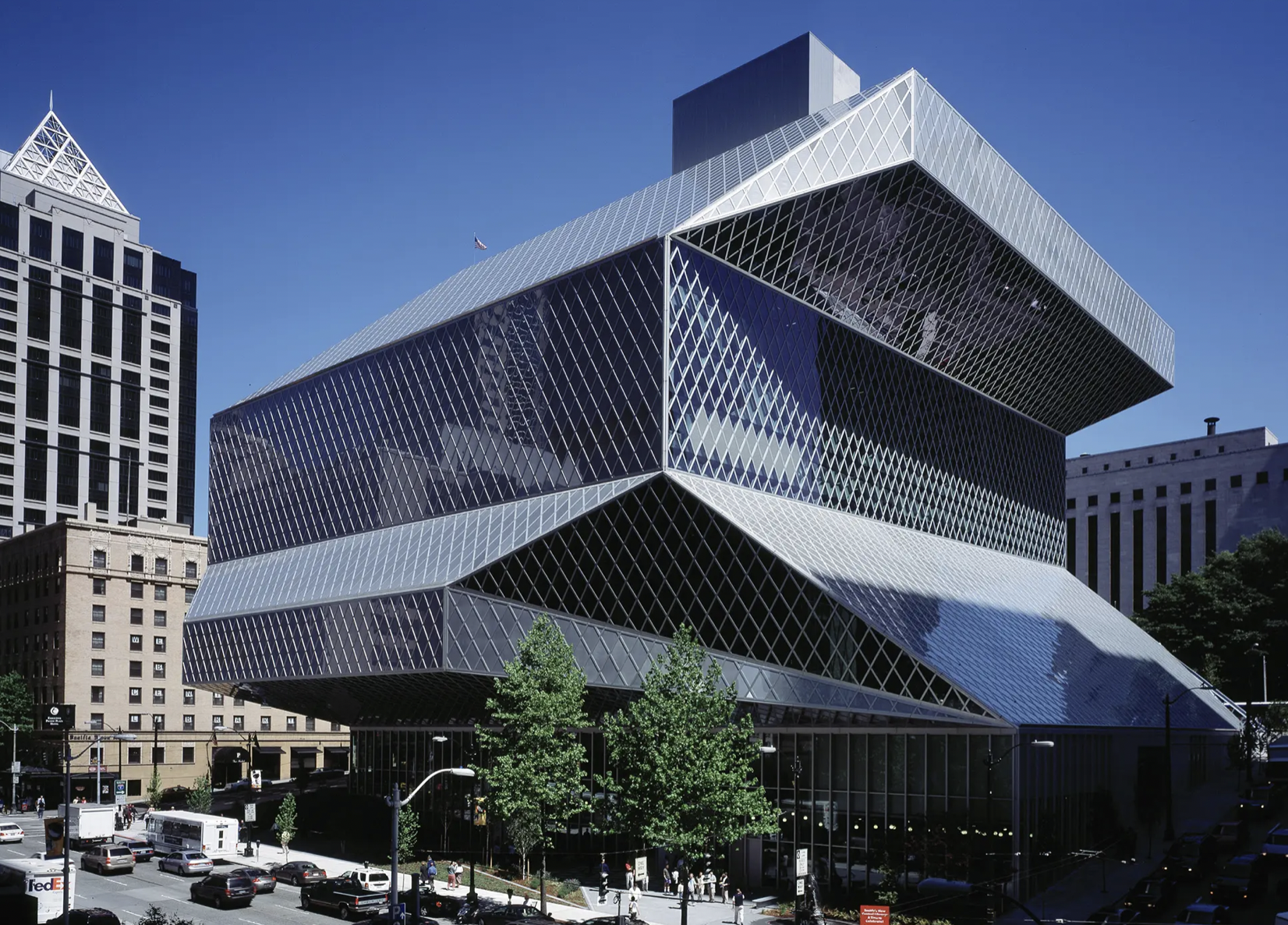
Question: Are Architects Artists or Engineers? I once had a discussion about this with my artsy friends back in the US. What do you think? I believe that great architecture has a power to give special identity and pride in humans life — during our time in Barcelona, I really enjoyed being surrounded by the Catalan Art Nouveau of Antoni Gaudí and Lluis Montaner. And, in the US, it was overwhelming to encounter some of the fascinating designs by Frank Lloyd Wright or Frank Gehry. In our hometown, Seattle, we have a wonderful public library created by Rem Koolhaas.
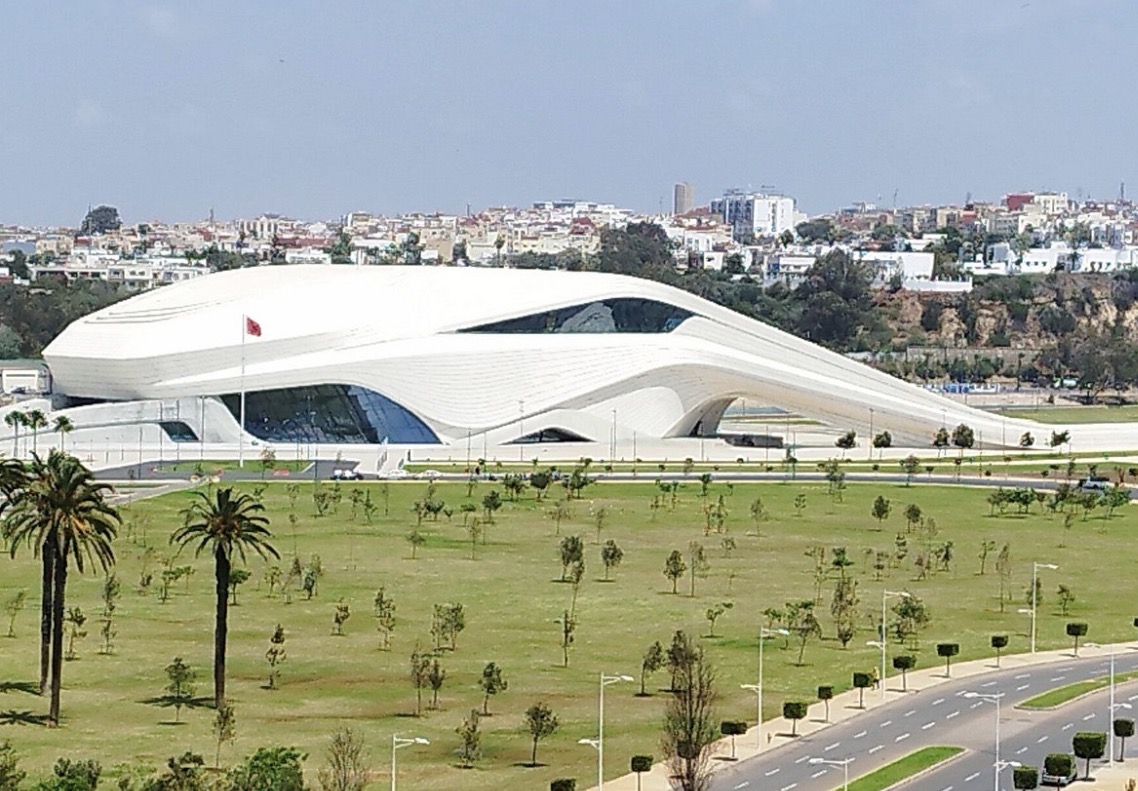
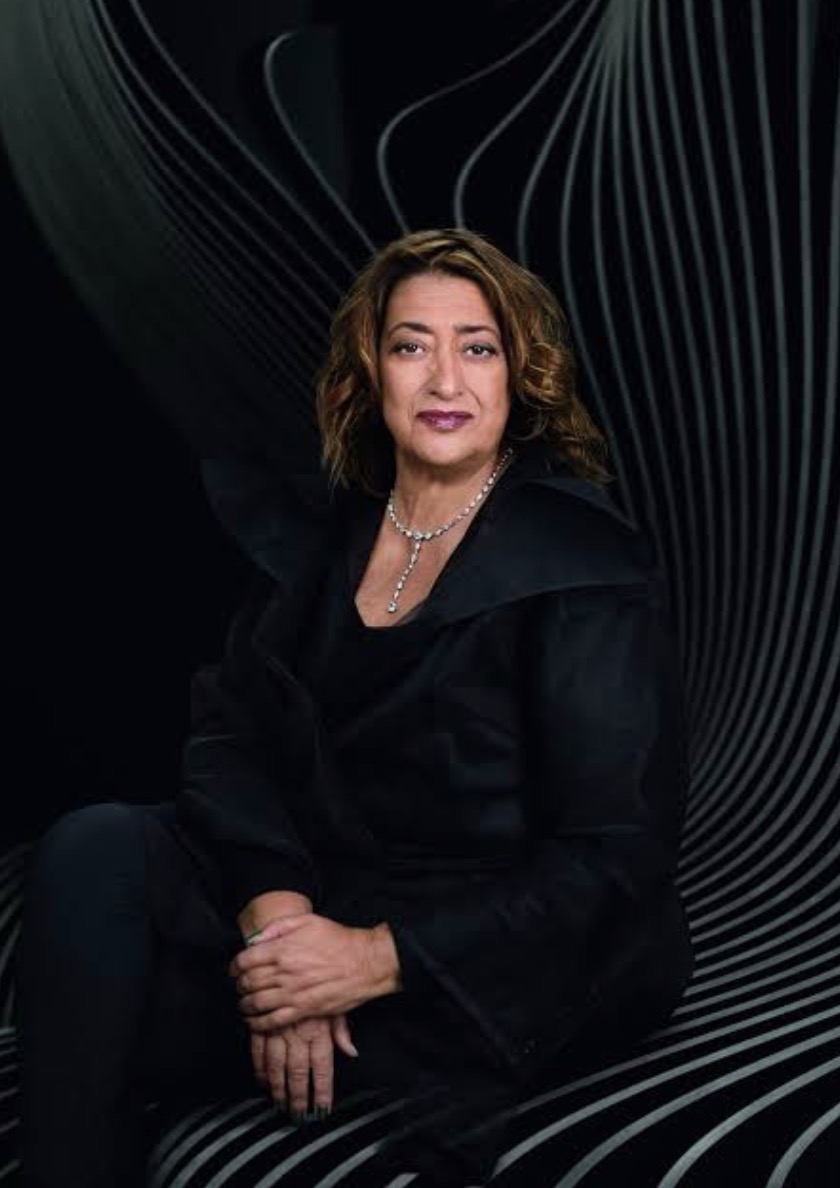
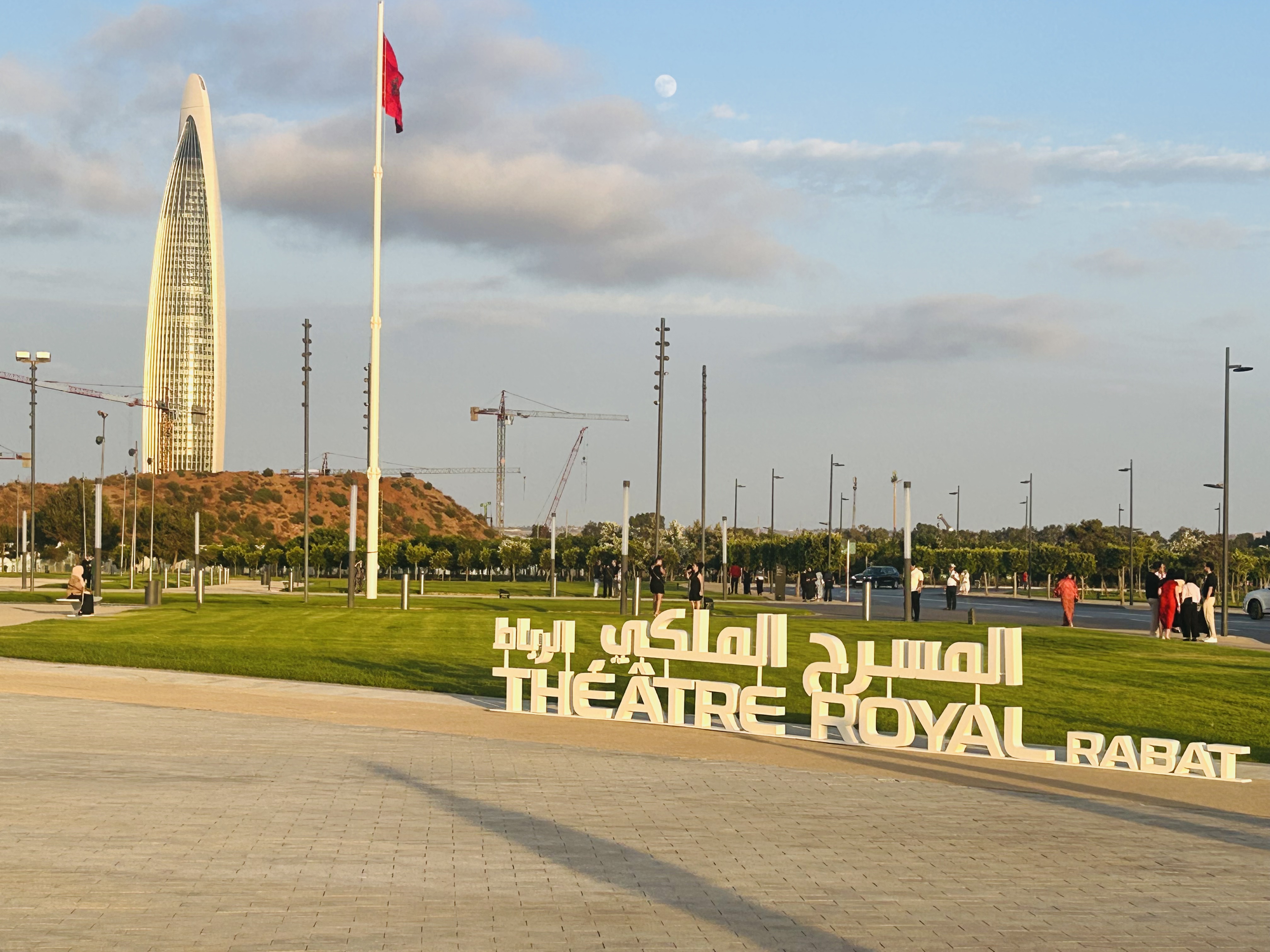
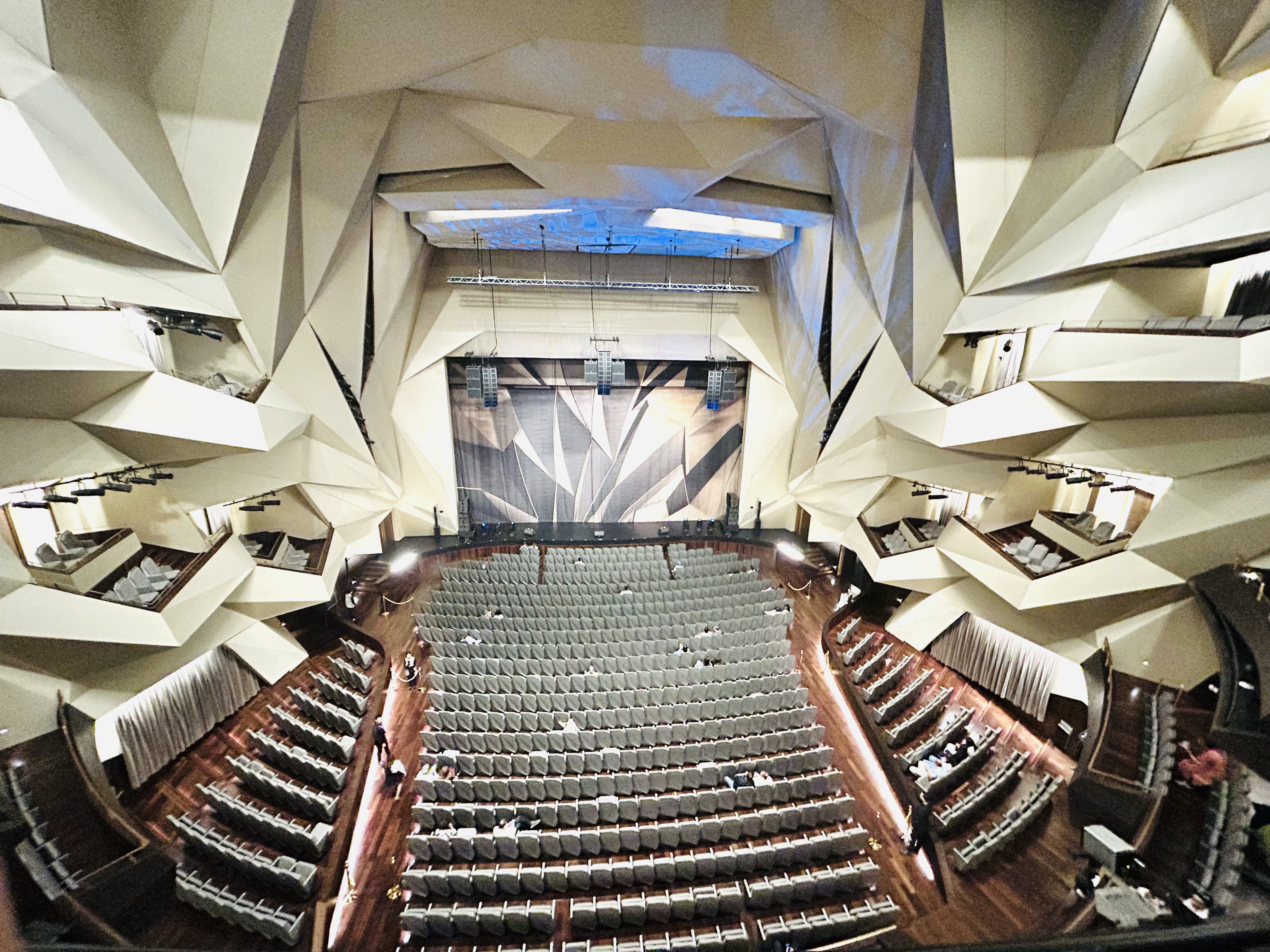
And now in Rabat. The Royal Theater, designed by Ms. Zaha Hadid, opened this spring. Even a fleeting glance at its exterior takes your breath away. It is said that Ms. Hadid was inspired by the flowing lines of Arabic script. Looking at such a beautiful architecture made me wonder how it was inside… well, we finally had the opportunity to visit the interior of this amazing theater the other day!
It was a comedy stand-up show by Egyptian-American, Mr. Bassem Youssef! He is known as the “Egyptian John Stewart” for his jokes, which are full of political satire. His humor not only made him famous as a comedian, but he was also named one of the “100 Most Influential People in the World” due to his openness about political issues. By the way, his background as a cardiac surgeon is also quite interesting, yes?
The show was incredibly fun! Especially because it’s been a long time since I laughed so hard at stand-up comedy in English. For me, who constantly struggles with Darija and French these days, it felt like a much-needed break…
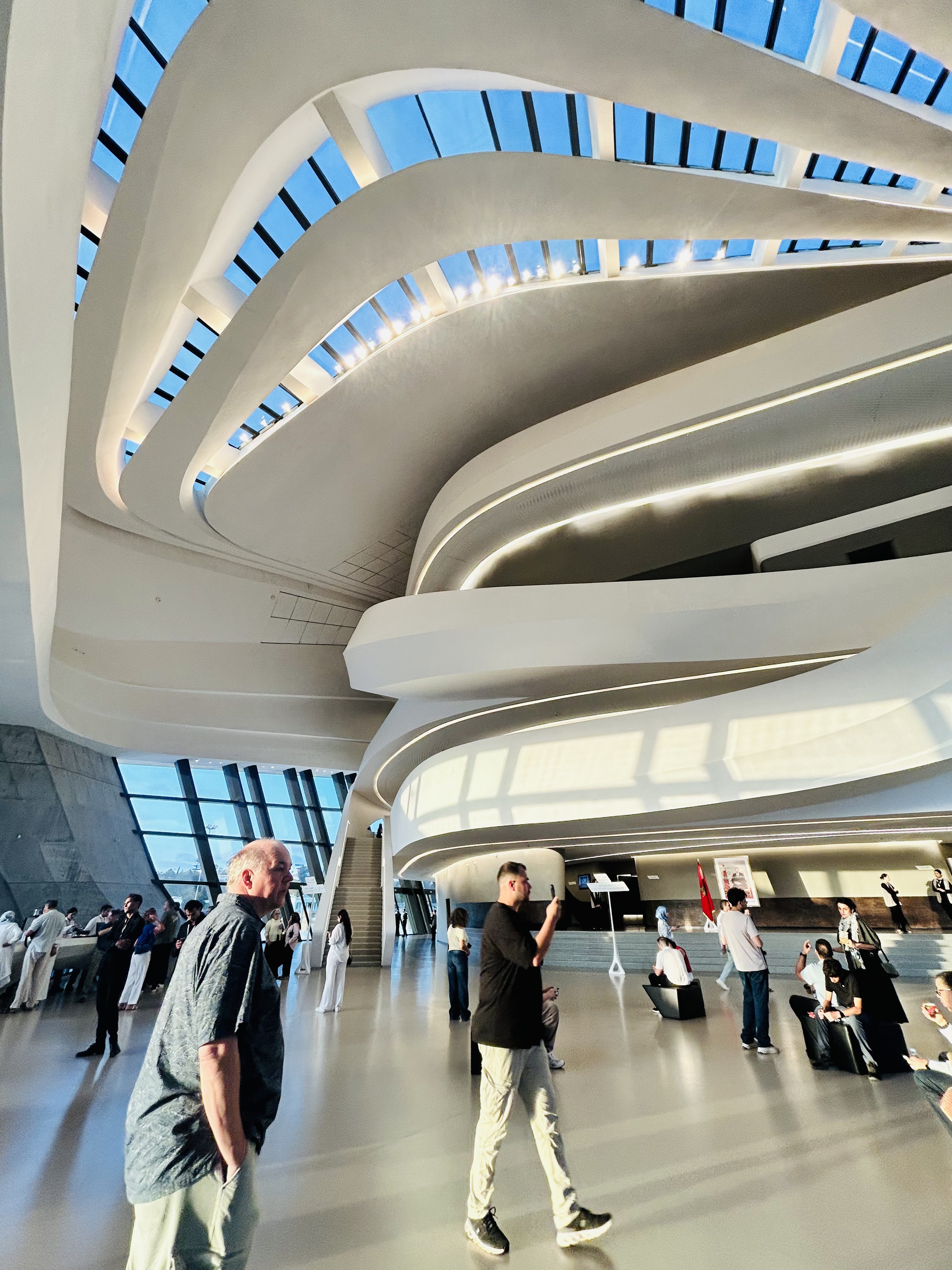
However, what was more amazing was to be able to step into the Royal Theater itself. From the moment we entered, I was in “Oh my goodness!” mode. The walls, stairs, ceiling, even benches and doors — everything was mystical and mesmerizing. You know the feelings that you stand in front of the amazing painting and you just cannot move, because you are surrounded by the massive amount of story coming from the painting? It was like all the details of the interior were there to welcome you with surprise gifts, or surprise stories. Kind of like a special moment on Christmas morning, just before opening presents. At the same time, so surely, you know you just became a part of the architecture. Looking closely at the interior— it seems symmetrical, but not. Geometric, but warm. The entire space was filled with a rather unique worldview — neither past nor future, neither outside nor inside. Maybe, I felt like I was swimming in a deep sea. Anyway, it does make you lose track of where you are — perhaps, this kind of feelings is the message which Zaha-san wanted to send; “Now, let yourself be enchanted by the magic of art!!”
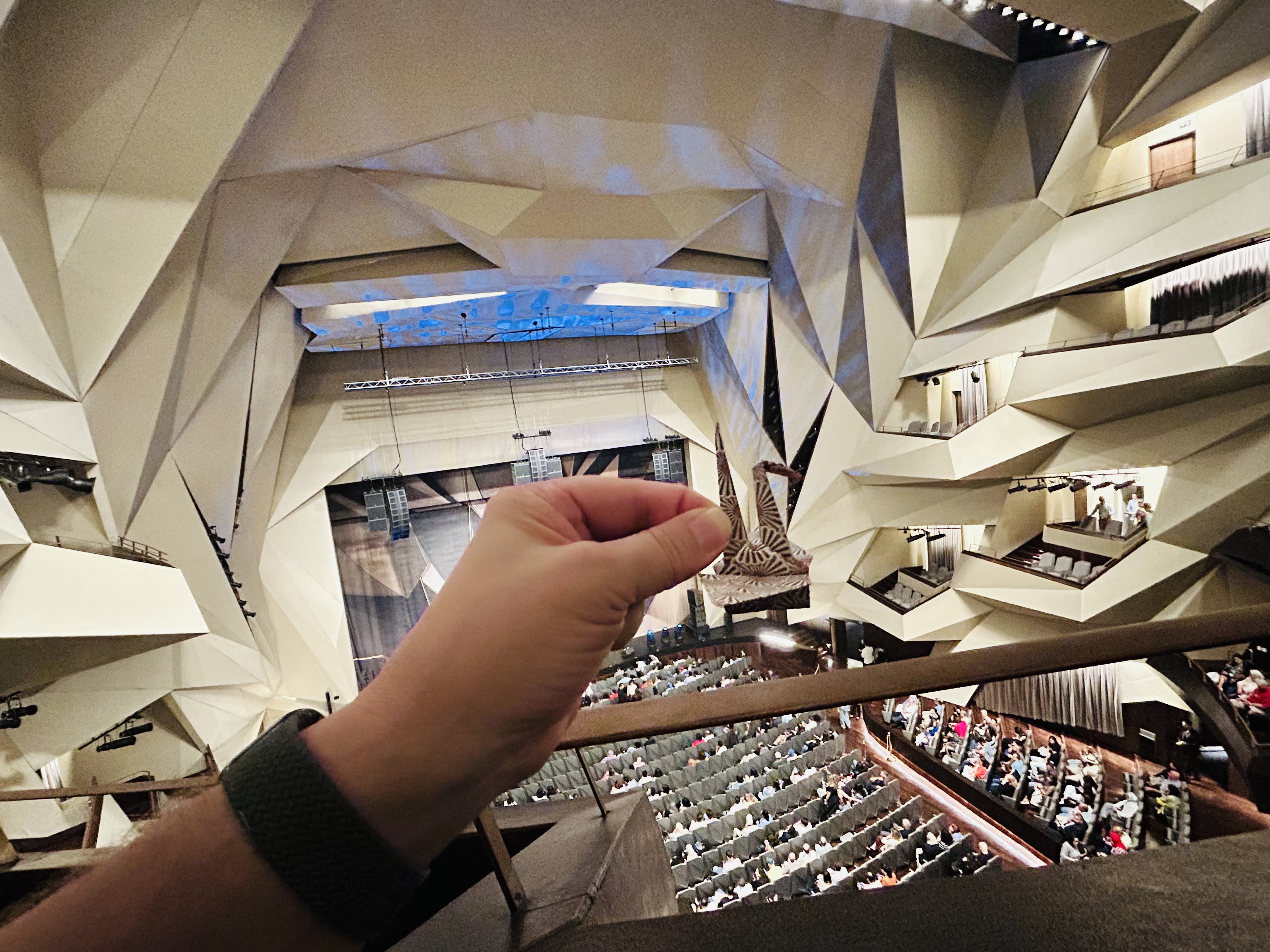
We had balcony seating. My first impression was that it was designed so that every seat could be VIP seats. The sense of immersion and unity can be experienced from wherever your seat is situated. Inside the theater, it was full of sharp lines, I saw some triangles, some squares, and some diamonds. But again, not many of them were symmetrical. These intricate lines made me feel like I was folding origami. So, I took a picture with an Origami crane!
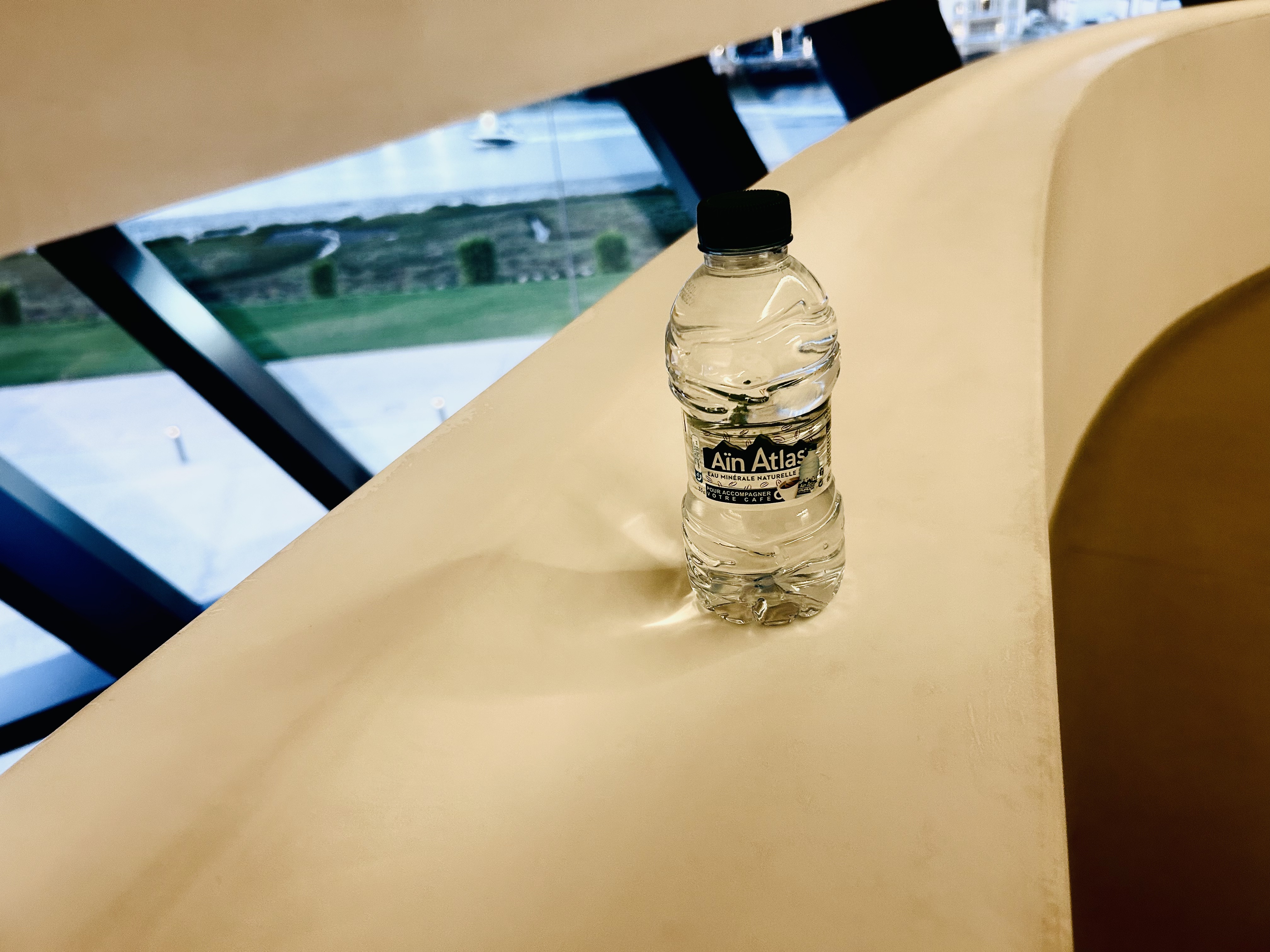
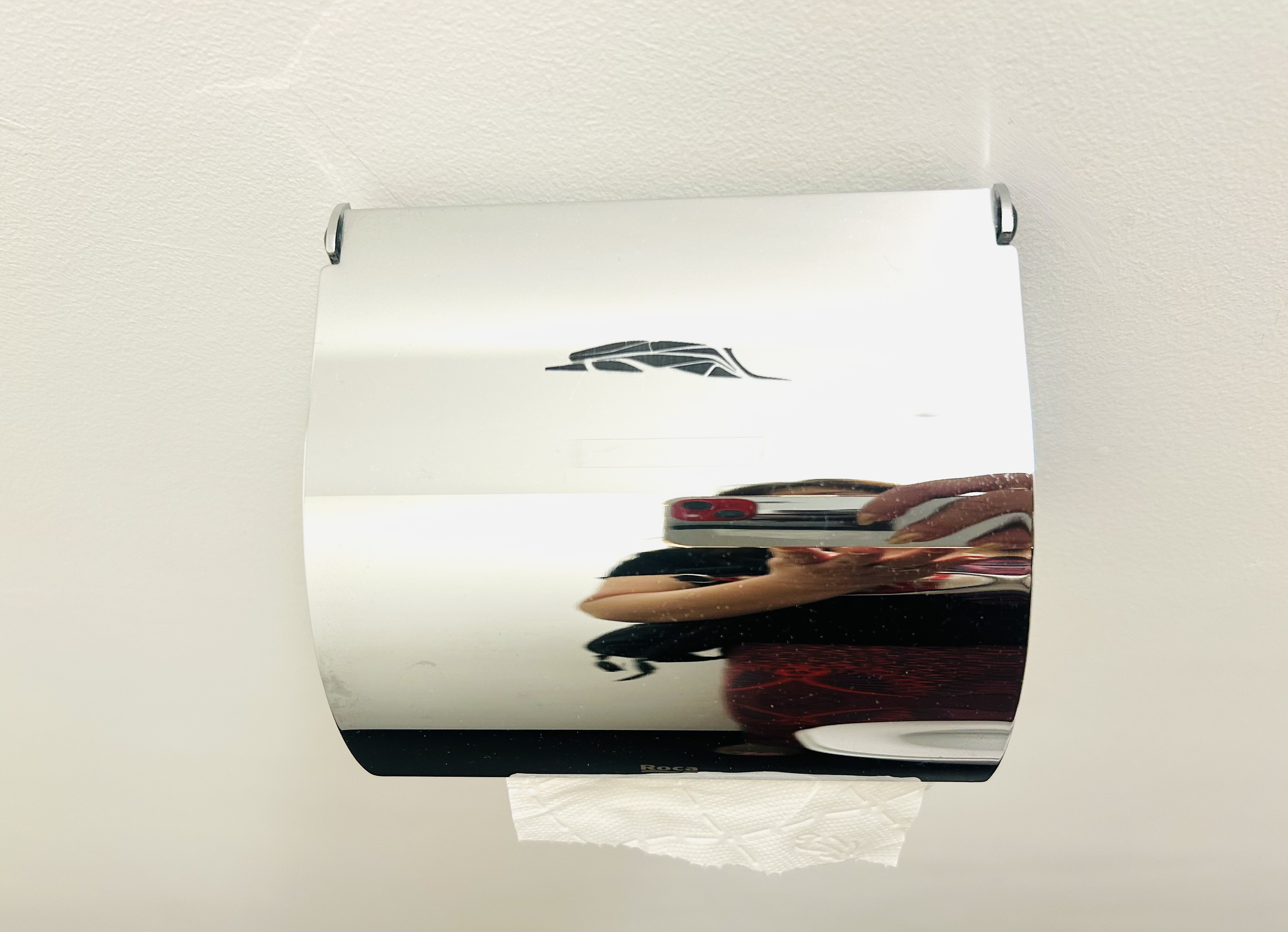
The theater pays meticulous attention to even the smallest details. For example, the wall in front of the concession stand has a gentle dent to prevent drinks and snacks from falling. The metal toilet paper covers in the restroom have the Royal Theater logo! The main theater (there is also a mini-theater) can accommodate about 1700 people, and each seat has a beautiful design, with very comfortable padding.
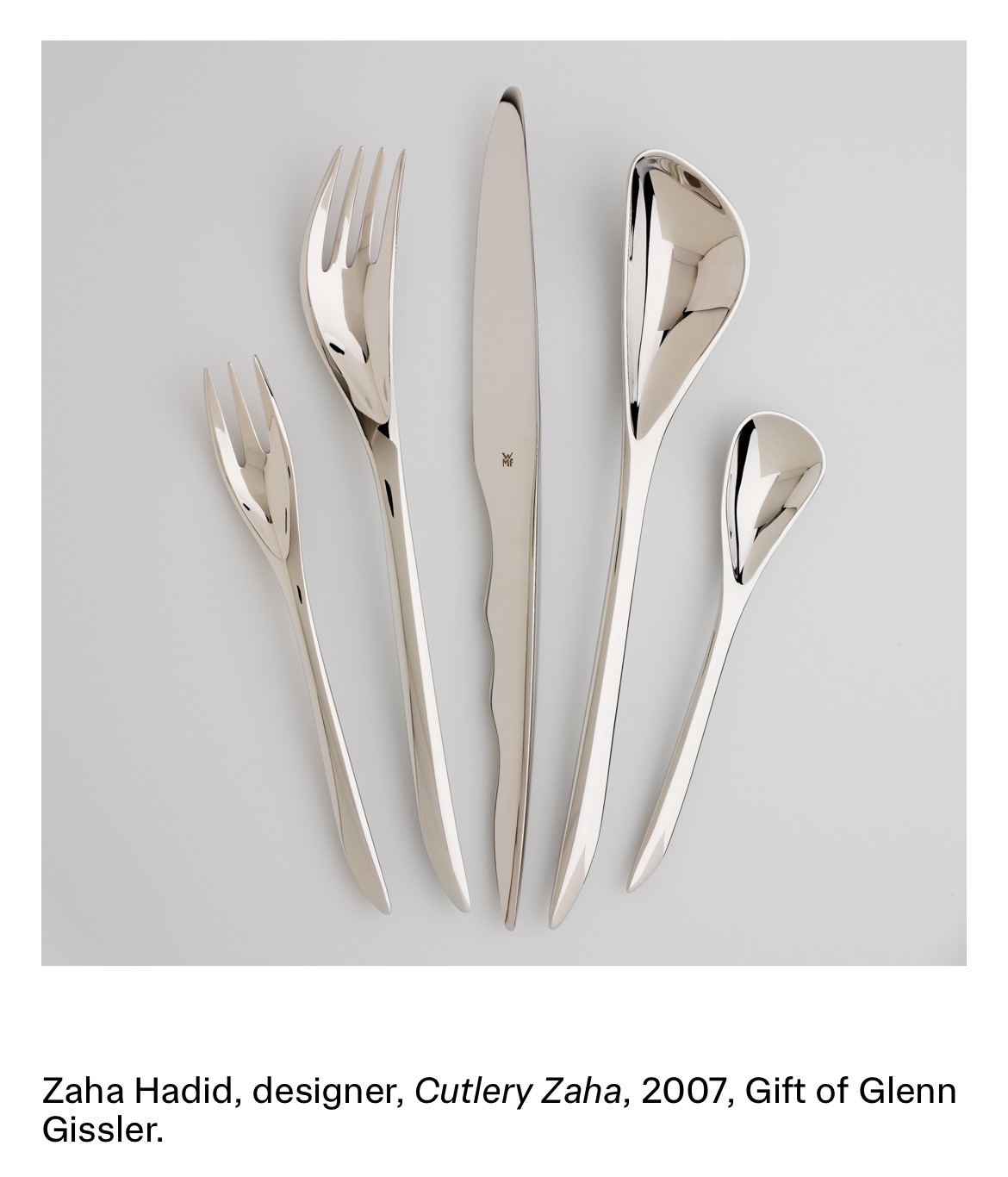
Ms. Zaha Hadid designed not only buildings but also household stuff, such as cutlery. I’d love to dine on this streamlined set – I bet the soup tastes so good and so smooth with this spoon… You can take a look at this set in the museum located within the Rhode Island Schools of Design, where our son is studying graphic design (yay! the class of 2027!).
ちなみにザハさんは、建築物だけでなく、このようなカトラリーなどもデザインしています。流線形なこのセットでお食事してみたいです。このスプーンでスープなんて食べたら、美味しそうだわぁ。こちらは、我が息子が勉強しているRhode Island School of Design 内にある美術館で見ることができます。
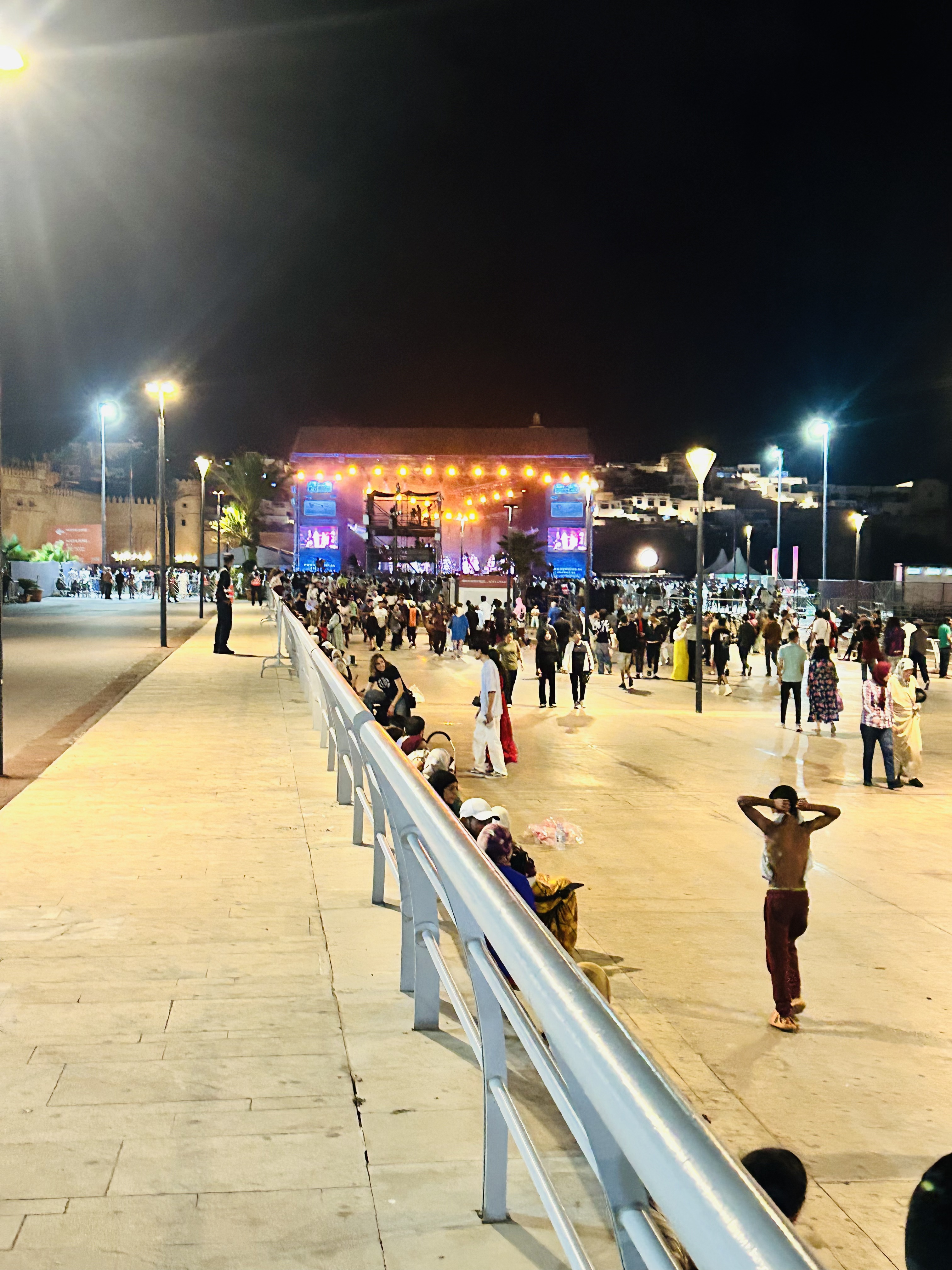
So, it was more of an “architecture show” than a comedy show for me. On the way home, we walked along the beautiful Bon Regreg river, catching glimpses of the city’s summer tradition: the Mawazine Festival. My husband and I were filled with joy of living in Rabat, seeing people enjoying the lovely summer night. Maybe, it became our version of “Midsummer Night’s Dream,” by stepping inside a dreamlike building.
Finally, my personal opinion on “Are Architects Artists or Engineers?” is this: I believe that architects can be artists and engineers, but above all, they are Dreamers. They are the people who never lose their passion for realizing their dreams. And, this reminded me of what John Lennon said – “A dream you dream alone is only a dream. A dream you dream together becomes reality.”
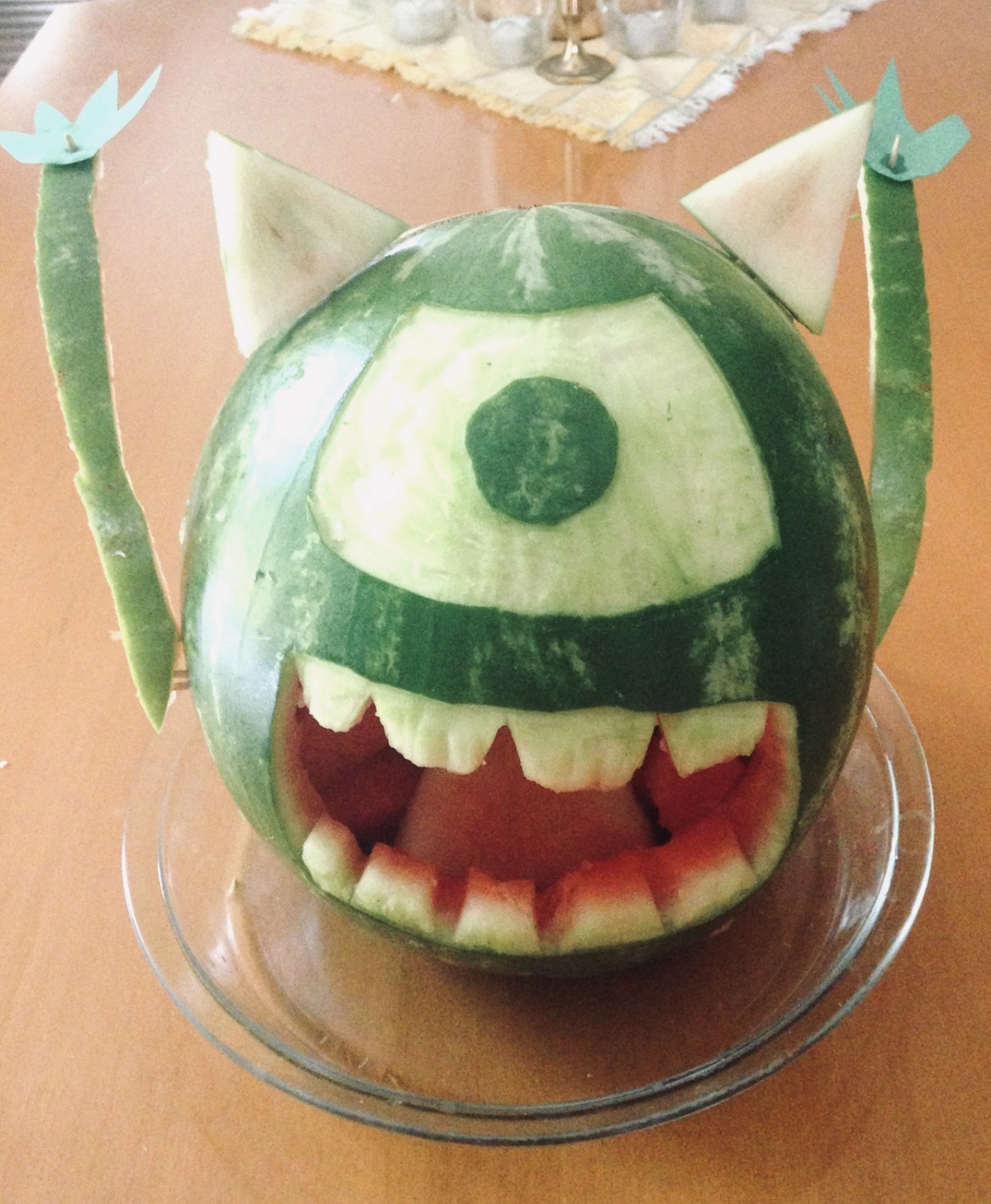
Do you have a pet name that your partner uses? My husband and I call each other by our first names and don’t really have our “love-names” or “pet names.” But, he often describes me as “My Watermelon Consumption Machine” and I am incredibly honored to be called that way! Yes, I love watermelon, especially Moroccan ones. They are so sweet; it’s no wonder, considering its African origin.
In Darija, the Moroccan dialect, people apparently call their “sweetheart” as <Lkbida Dyali> – this means, “My Liver.” I know ‘my heart’ is widely used in a romantic setting, and it kind of makes sense, BUT, liver? That’s pretty… profound? Here is the explanation: lkbida (الكبدة) means “liver,” and Dyali (ديالي) means “my” and the reason behind is that “you are as important as my internal organ I need for being alive!” Very true, you need your liver to digest food, which is truly a basic for staying alive. So, for the sake of your loved ones, you want to avoid excessive alcohol and high-fat foods in order to prevent liver failure.
This got me thinking… “What do people in other countries call their sweethearts?” Well, here are some interesting pet names I could find.
そこで気になったのが、「他の国ではスウィートハートをなんて呼ぶのかしら?」と。ようは、Pet Name というものですね。ちょっと調べてみました。
Let’s start with Ireland. Apparently, there is this expression, <Mo Chuisle> which translates to “my pulse.” Being near someone you love makes your heart race, yes? Combined with the Moroccan liver, it’s an expression of affection from Cardiology and Gastroenterology. Very well.
Speaking of wellness and human anatomy, let’s continue with some expressions with body parts. The Swedish word <Sötnos>, meaning “cute nose,” is apparently a pet name there. Swedes do have pretty good looking noses, don’t they? In Greece, <Μάτια μου (Matia Mou)>, meaning “my eyes”, is often used to call someone you love. Come to think of it, those eyes of the Gods/Goddess in Greek Mythology are pretty mesmerizing…
Does being in love raise your body temperature? In Thailand, a husband might sometimes call his wife <แม่ยอดชู้ (Mae Nua Oun)>, which translates into “mother of warm flesh.” I guess a good mom has a warm heart as well as a warm body, but I find it a bit unsettling.
愛で溢れていると、体温があがるんでしょうか?タイでは、仲の良い老夫婦の間で、奥さんのことを『แม่เนื้ออุ่น(Mae Nua Oun)』と呼ぶことがあるそうで、これは訳すと「あたたかい肉の母親」だそうです。嬉しいような嬉しくないような。
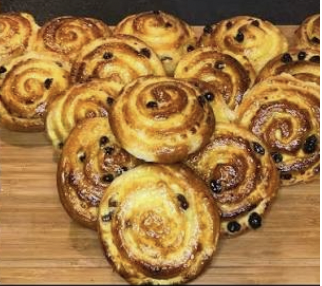
A country with many forests, Germany, has many animal-related pet names. Hächen (hare), Bärchen (bear), Spätzchen (spallow), and, more interesting one, Shnecke (snail) are all used as pet names. By the way, this spiral-shaped pastry is quite popular in Morocco and France, and it is called Schneck. If someone gives this to you, you might be very much loved!
In English, many pet names come with food-related ones, such as Sweet Pea, Pumpkin, Cupcake, Honey, Sugar… Also, French people use <Mon Chou> to call someone they adore. “My cabbage” is a common pet name, apparently.
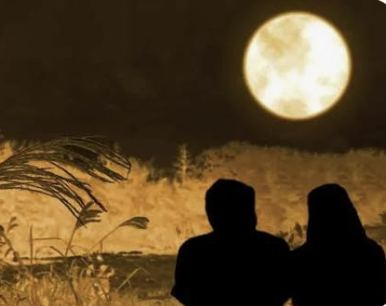
Finally, us, Japanese. I don’t think there are many pet names in Japanese culture. We may not express our affections often through words… but I’ve heard that the saying “The moon is beautiful, isn’t it?” has long been considered equivalent to “I love you.” Not direct, but kind of romantic, no? However, there is one problem: what should we do on nights when the moon isn’t out? I think I will just eat more watermelon.