Posts Tagged ‘Learning French’

I am 16 apples tall – fun of learning French

July 8, 2025

私は<16りんご身長>です。

Almost every day, I come across a French word or French expression I find interesting while studying. Some of it makes me wonder what on earth French people are thinking, yet I know they don’t care how I struggle, so I just keep on learning. That’s life. That’s French. C’est la vie.🤷🏻‍♀️

フランス語を学んでいると、面白いな!と思うことに出会ったり、なんでそういう発想になるの?と不思議になったりする毎日です。時にはイライラしますが、それがフランス風、セ・ラ・ビの精神です。

For example, potatoes.🥔 In French, it’s pomme de terre. Now, in French “pomme” means apple🍎, and “terre” means land or even earth. So, potatoes are “apples growing on the land👩🏻‍🌾” according to the French people. Bien sûr (of course), I guess…🤔
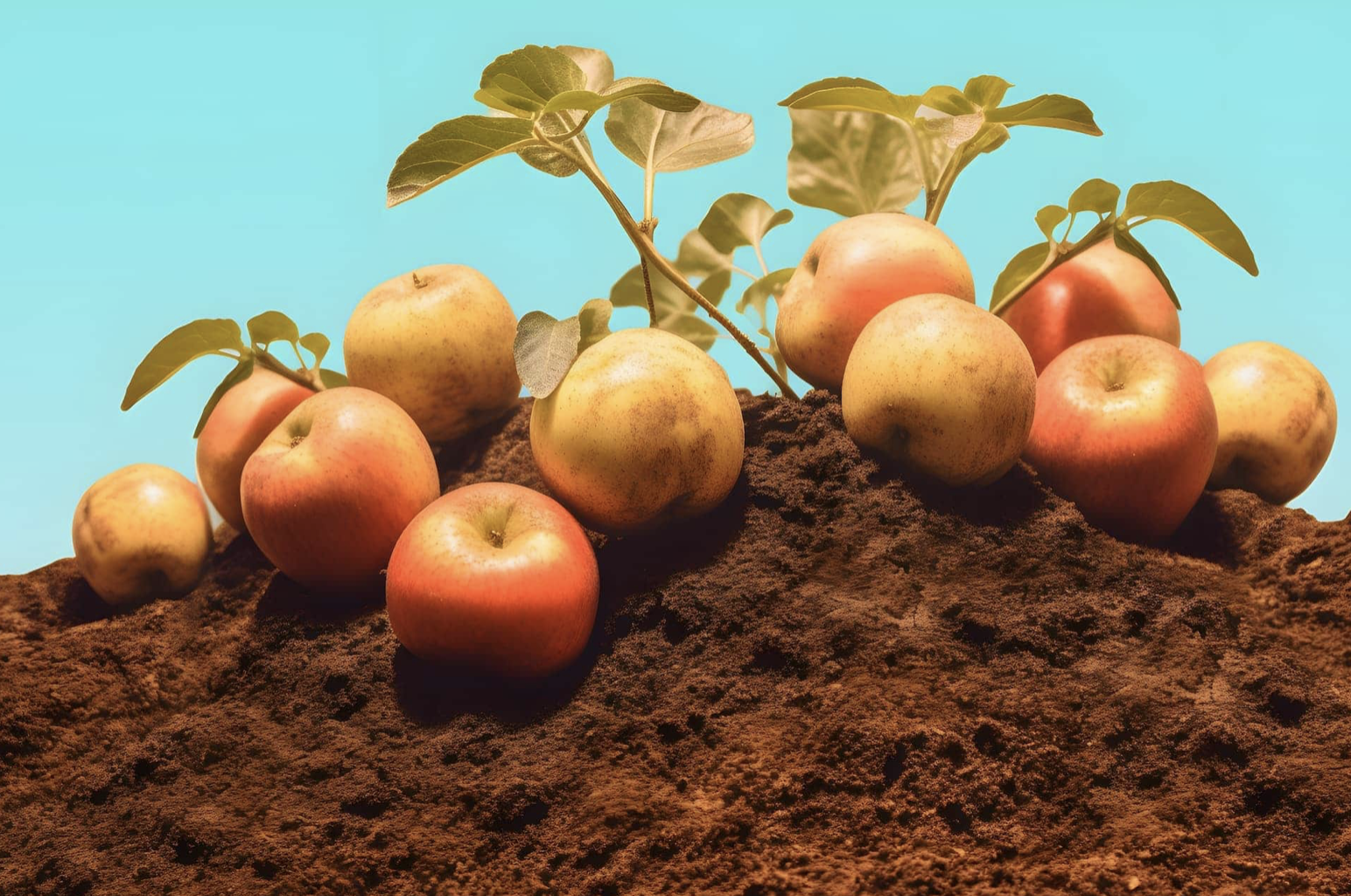
ジャガイモ。Pomme de terre (ポム·ドゥ·テール)と言いますが、pommeはりんご、terreは地面とか陸地、つまり、「地面に育つりんご」がじゃがいもとなるようです。ほほぉ~。納得するような納得しないような。。。🙄

Then, I thought of pomegranate. It has “pome” in it, so somehow it must be related to apples? Apparently, “granate” has a meaning of “having many seeds.” This one makes so much sense!💡 However, in French, people just call it “grenade.” Fine. 😑

ふと、ザクロ、英語のpomegranateも何かりんごと関係があるのかな?と思い調べてみたところ、ラテン語のルーツによると、granateには”たくさんの種がある”という意味があるらしいので、これも「ああ、なるほどね~」と理解。でも、フランス語ではザクロの事は短くgrenadeとだけで呼ぶらしいです。いちいちポムを言わない、ということです。😶
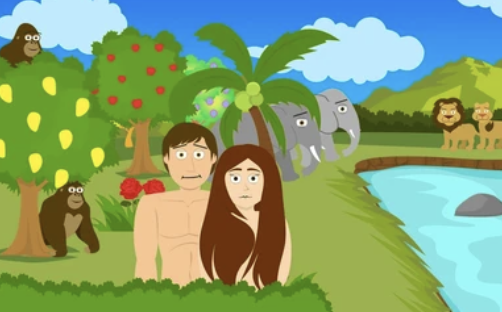
Adam’s apple 🍏 on men’s throats is, “pomme d’Adam” – Ha! I can accept this easily. Since the word “pomme (pome)” is to describe any kind of fruit in general (according to the dictionary), the thing Adam and Eve ate could be an apple, it could be a lemon, it could be, possibly, a banana?🫒

そうそう、のど仏はフランス語だとPomme d’Adam。ちなみに、りんごは古~い昔からこの地球に存在したフルーツのようでして、よって、Pomme (Pome)には<果実>というひとまとまりな意味合いがあるようです。やっぱり、アダムとイブが食べた果実って本当にりんごだったのかしら、、、?バナナ🍌の可能性もあり?

A cute expression in French with apples would be, “Haut comme trios pommes”; meaning “short person”, “small child”, or “no big deal.” It literally translates as “the height of three apples.🍎🍏🍎” Well, that’s really too small for a human, but again, it’s my job to accept.👩🏻‍🎓 Now, if you want to know more about “Apple Height Measurement Technology” I have someone I would like to introduce here; 
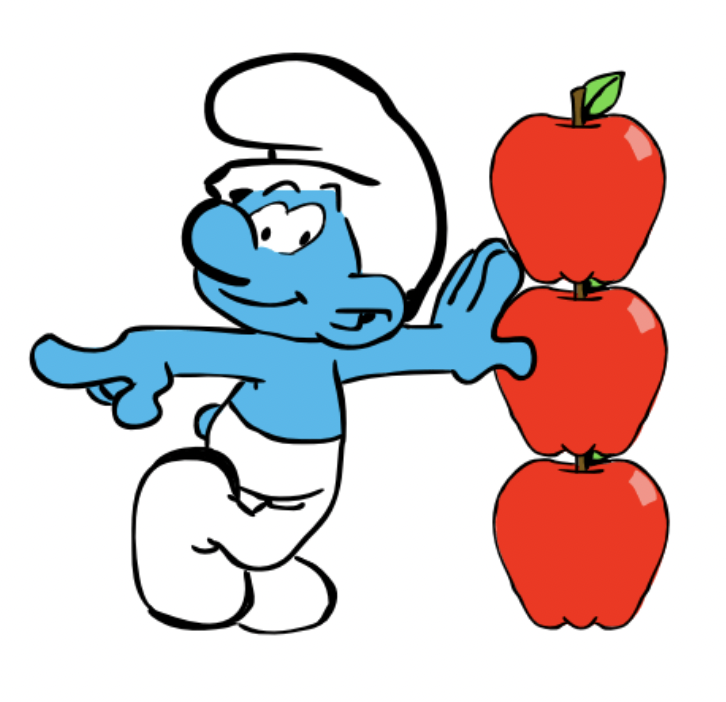
フランス語の表現で「背が低い」「ちいさな子供」あるいは「大したことない事」なんて時に使うのが”Haut comme trois pommes.” ようは、<りんご3つ分の背の高さ>というイディオムなんですが、この<りんご身長>で思い出すのが:

Oh Hello👋, Hello Kitty! ハローキティ

Did you know, Hello Kitty’s the height of 5 apples (and she weighs the same as 3 apples)? キティちゃんって、身長がりんご5つ分だって知っていましたか(そして体重はりんご3つ分らしい)?
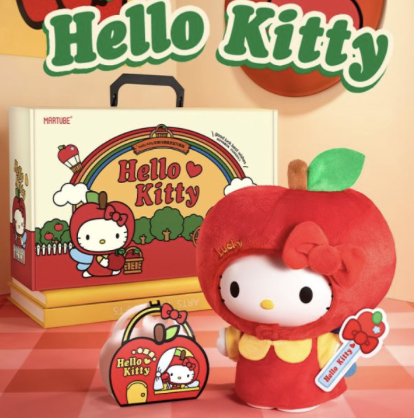
So, I am about 16 apples tall – how about you? Let’s not talk about the weight, shall we? このテクノロジーを使うと、私は約<16りんご身長>です。体重に関しては無視、ということで。みなさんはいかがでしょう?
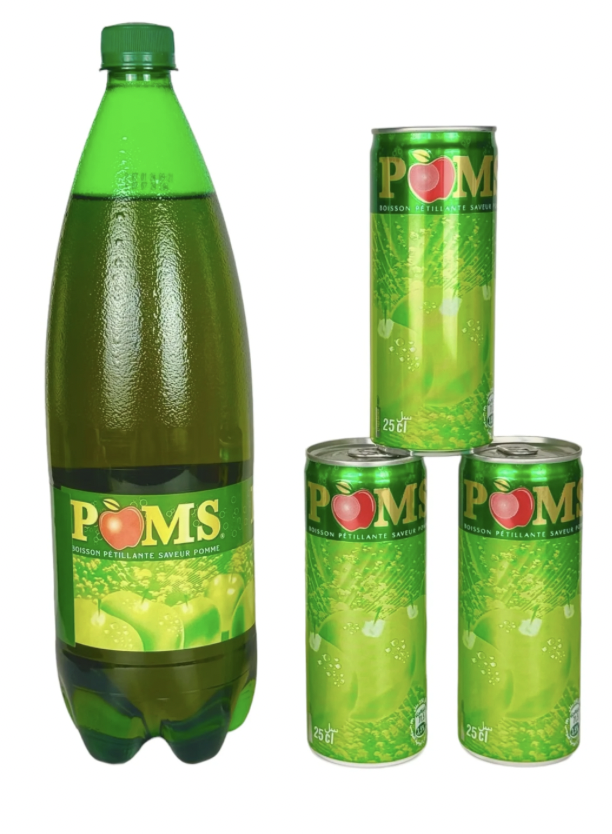
My husband says “I feel that I can speak French more smoothly when I am drinking (French) wine.🍷” Okay, that’s nice. Moi, I don’t drink alcohol, so my “adult beverages of choice” is this: Poms. It’s an apple flavored soda available in Morocco. D’accord, I will drink a glass of Poms and hit Duolingo now. 
私の旦那さんは、「僕は、ワインを飲んでる時の方がフランス語がスラスラ出てくるんだよね~」と。アルコールを飲まない私にとっての<大人のたしなみ飲料>、そのひとつがこれ、Pomsです。りんご風味のモロカン·ソーダ🇲🇦。よし、今日はこれを飲みながら、フランス語のドゥオリンゴしてみま~す。

Tomo

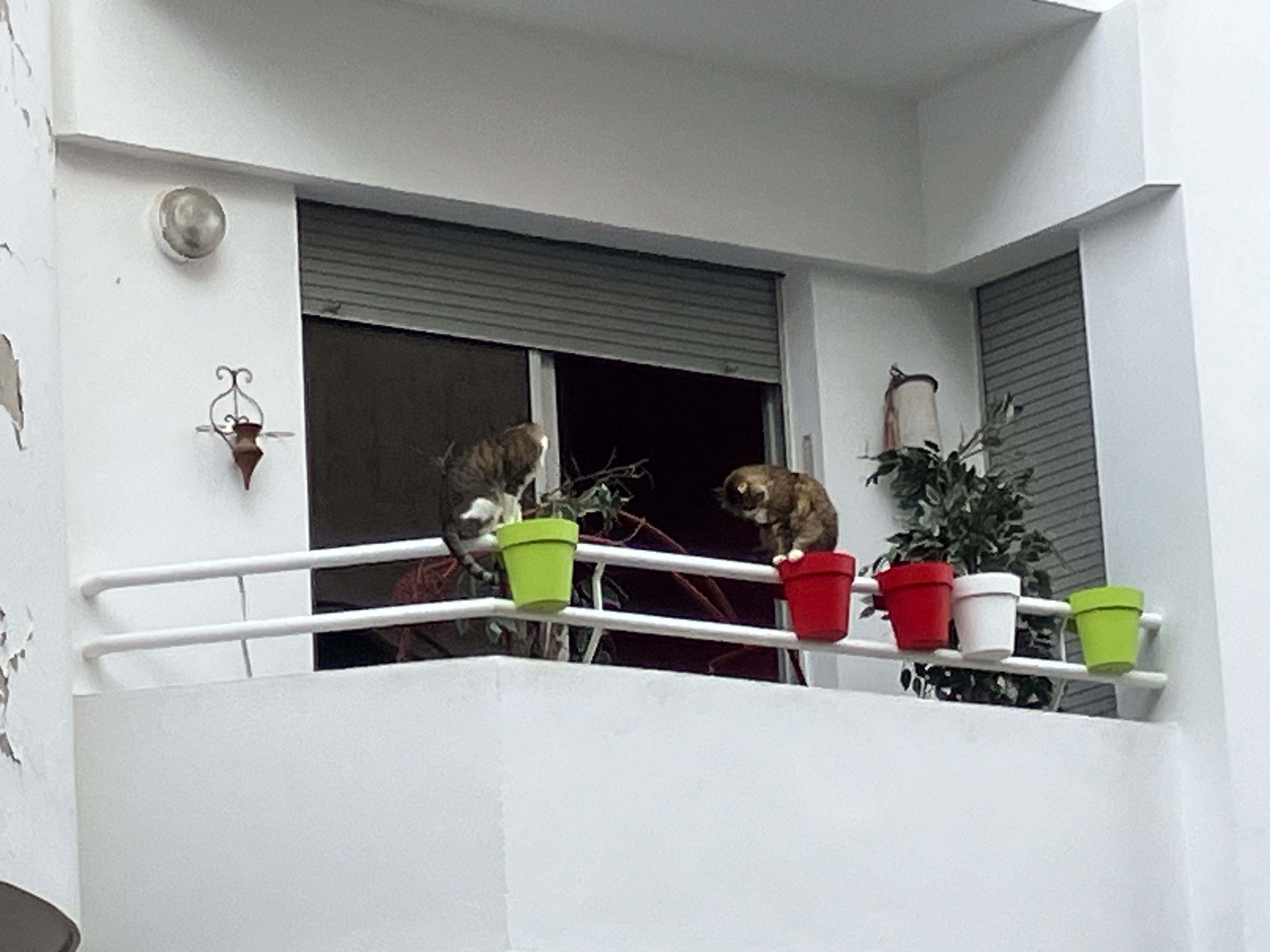
The cat of the day :: Le chat du jour :: 今日の猫しゃん
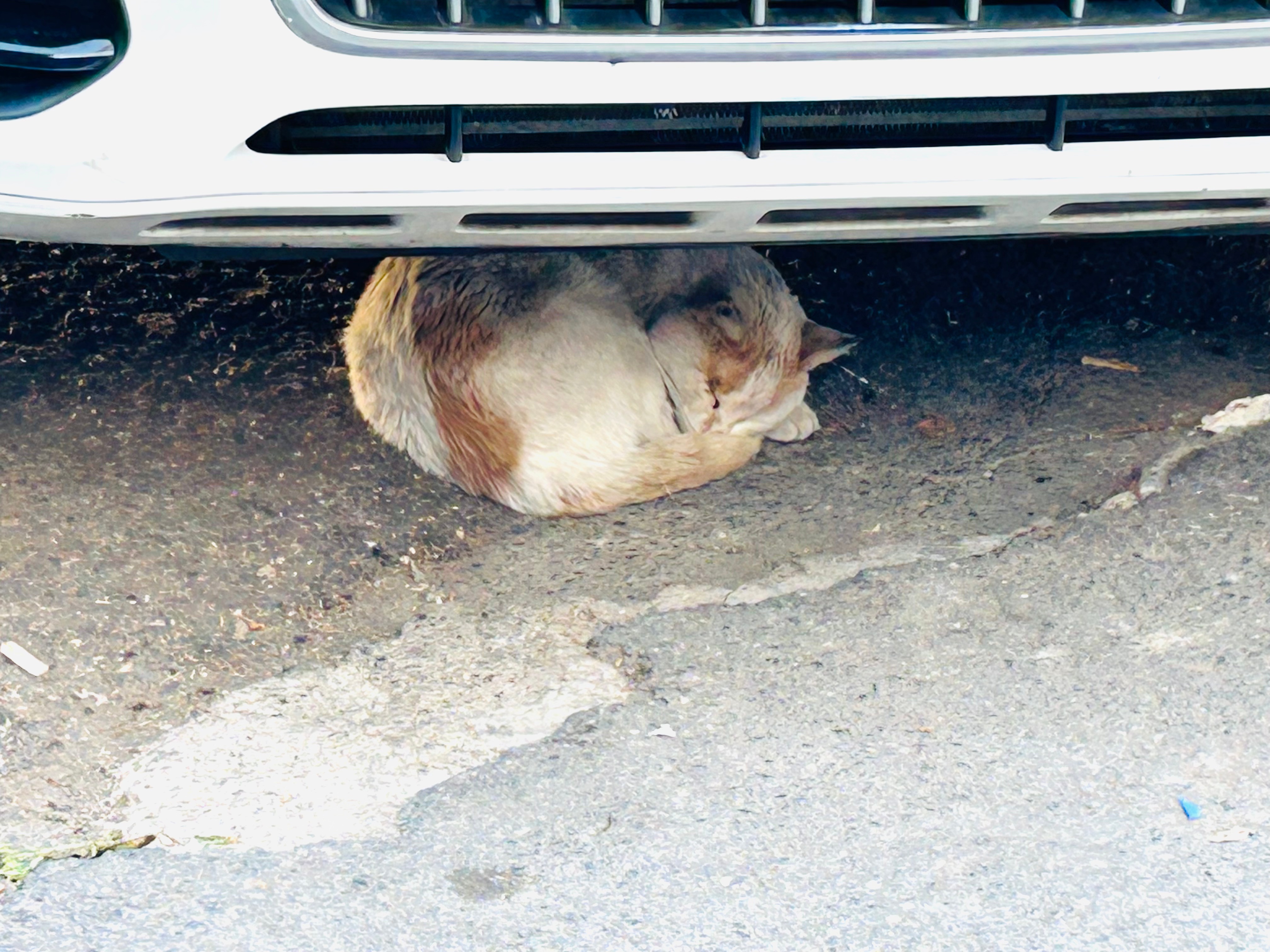
Please stop by at my salon again 💞🫖🍵 3afak & Chukran

またサロンに寄ってくださいね🇲🇦🇯🇵

Tomo qui rit, when she can speak French

May 7, 2025

フランス語との戦いーいつかは勝者の笑みを

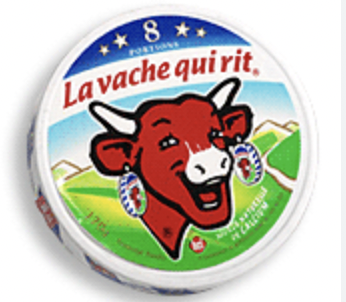
In Morocco, people speak several languages. While Standard Arabic, Moroccan Arabic and Berber are considered as their national languages, many people speak French in their everyday life – at school, at work, at restaurants, at stores… pretty much everywhere I go, I hear French. Our paperwork for Carte de sejour (residence permit) is in French. My favorite cheese is called La vachi qui rit (laughing cow) in French. So, I have been studying French, as well as Darija (Moroccan Arabic). 

モロッコの人は何ヵ国もしゃべれる方が多く、アラビア語スタンダードダリジャ)とベルべル語が公式用語と定められていますが、それ以外にも、フランス語がどこでもよくつかわれています。住民登録書の書類もフランス語、私の大好きなチーズブランドもフランス語、お店でもレストランのメニューもフランス語、よって、ダリジャを学ぶのと同時進行で、おフランス語も勉強中。

Now, to be honest with you, my menopausal brain is not very capable of accommodating two new languages. My birth language is Japanese, then I learned to use English pretty much my whole life. I also learned Hawaiian and Hindi. Touched a bit of Spanish, too. Now, French is the next level language for me. 

しかし、このプチ更年期の脳みそに、新しい2ヵ国語がなかなか入ってこないんですよねぇ。日本語と英語で生活してきて、ハワイアンヒンディーを学び、スペイン語もポキート触れましたが、今、このフランス語がいかに難しい言語なのか、を、ヒシヒシと感じているんです。

First, it sounds like I need to drink a glass of wine 🍷 to pronounce those French words, but, unfortunately, I am allergic to alcohol. There are so many “silent” letters, or shortly cut words, which I really think I would be better if I were too drunk to notice. Also, my asian nose👃might not have the right shape for creating those nasalized vowel sounds. Je ne sais pas (I don’t know)…🤷🏻‍♀️

まず、フランス語をしゃべる時って、ワイン🍾があった方がいいような気がするんです。でも、私はアルコールがだめなんです🙅🏻‍♀️。フランス語ってなんだか発音しない文字だとか、隠れた音とか多くて、文字がぼやけて見えない方がいい、酔っ払ってた方がいいような。あと、あのなんともいえない鼻母音というか、独特の喋り方。私のアジアの鼻はああいう音はうまく出せない気がします。

Secondly, the difference between masculine and feminine nouns. This is also for Darija, but it is so hard for me to get it right. Maybe I think too much. Masculine words pair with the articles “le” or “un”, while feminine words use “la” or “une” – so, one baguette will be, Une Baguette (f), and one croissant will be, Un Croissant (m). Visually👀 & intuitevely🤨, I disagree with this gender definitions for these breads. Le Gyoza (m)🥟:I also have to disagree. How comes, Le Lait (milk)(m), when it comes from cows?  Le fromage (cheese)(m) continues to be masculine,  Le gâteau au fromage (cheesecake in French)(m) Okay, still manly. BUT, if it’s in a tart shape, it becomes La tarte au cheesecake (f). I rest my case here.

これはスペイン語の時もそうでしたが、<女性名詞と男性名詞の違い>。ダリジャでもそうですけど、この違いはもう???状態です。ビジュアル的にも直感的にも、フランスパンが女性で、クロワッサンが男性、って納得できないし、餃子が男性なのも「へ?」です、私的には。女性の牛さんからしか産出できないミルクが、なぜ、男性名詞なのか? チーズ(fromage) も男性のまま、チーズケーキも男性で、しかーし!タルトのようなチーズケーキとなると、女性名詞の La tarte au cheesecake になるらしく。もう、ここで終了。

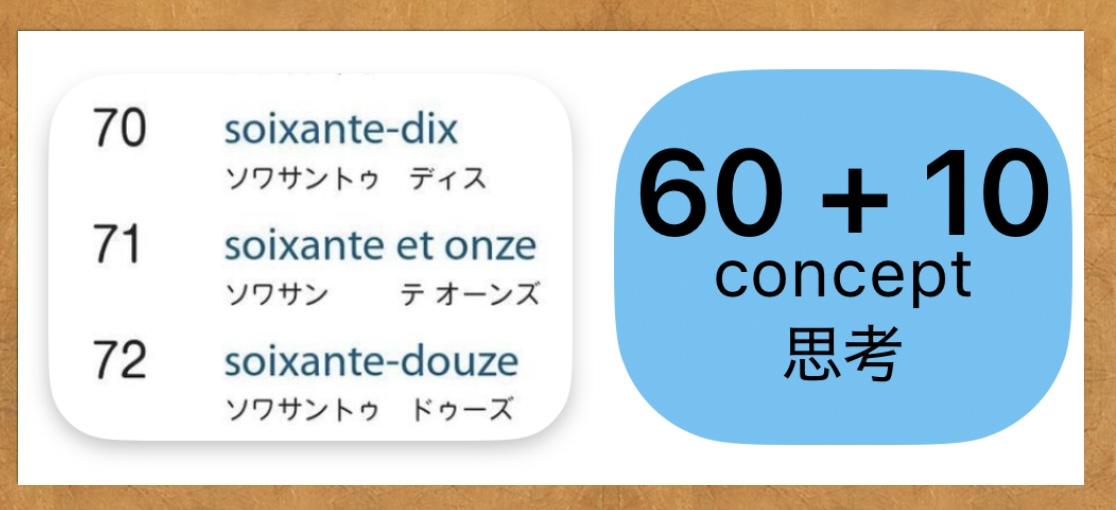
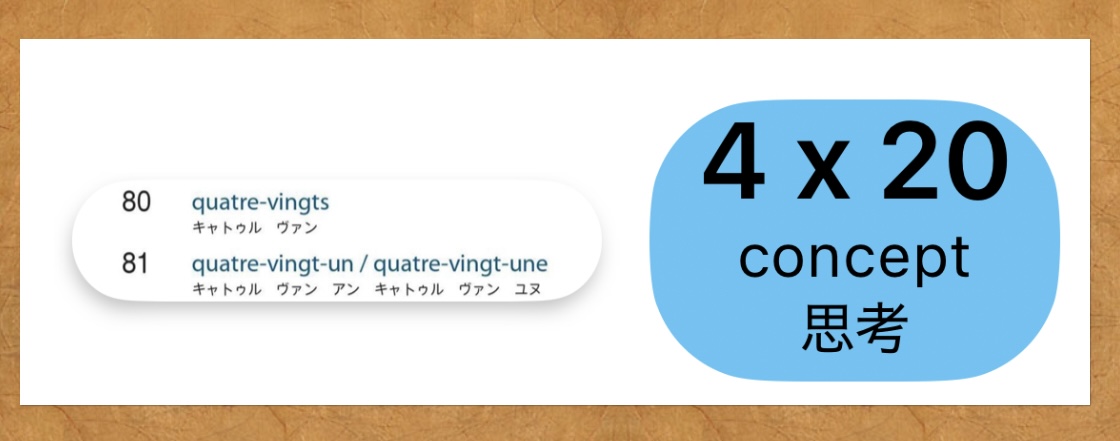
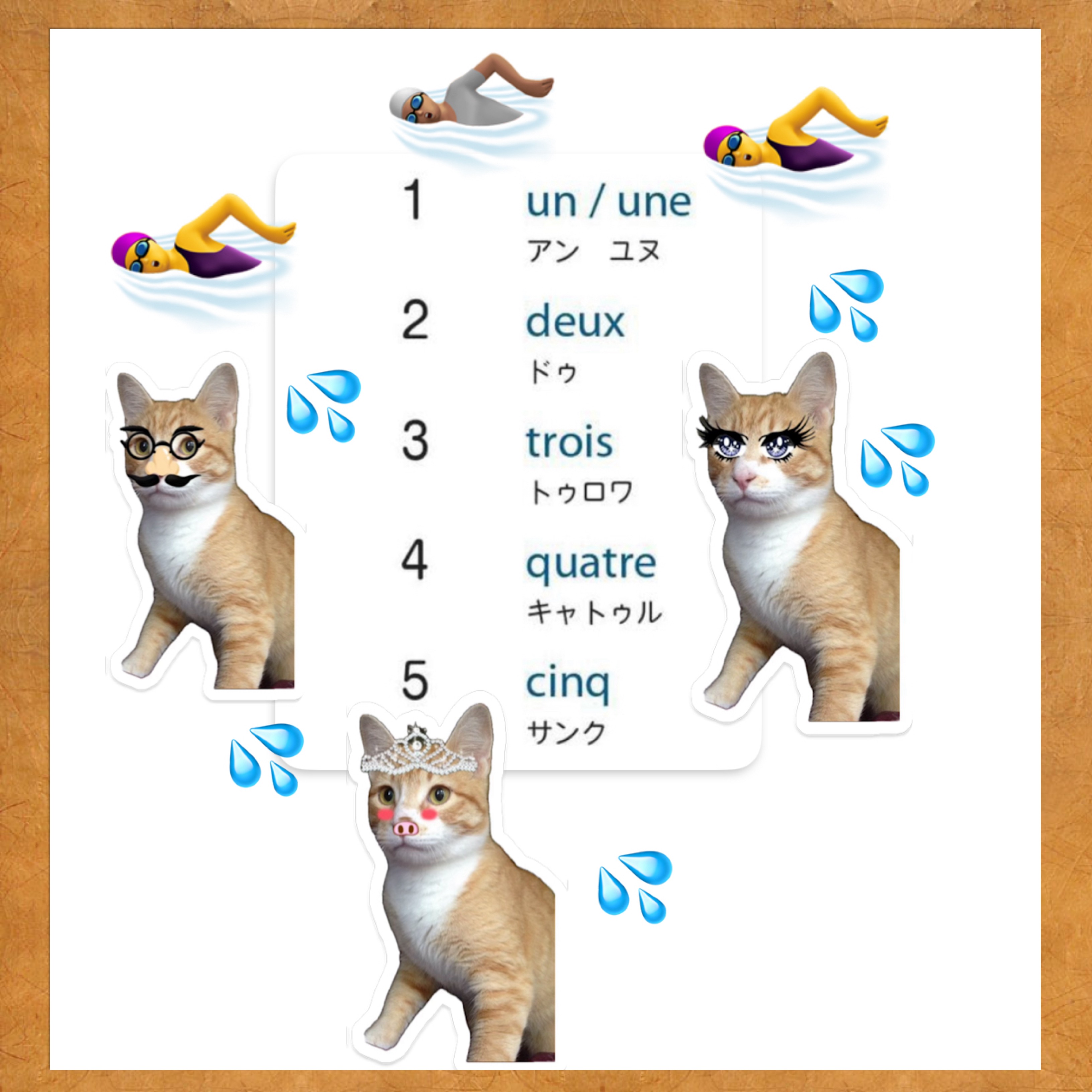
Third, this is probably the biggest question mark for me. The counting system in French (vigesimal). I am okay until 60. Now, from 70 and up – pourquoi (why)? お次は、このエキセントリックなおフランスの数字システム (二十進法)。60まではよしとして、70以降が。。。

Apparently, French-speaking people in Canada, Belgium and Switzerland don’t use this system (instead, they use “septante” for 70, “huitante” or “octante” for 80 and “nonante” for 90). ちなみに、このシステム、カナダやベルギー、スイスなどでフランス語を話す方達は違うようです。

D’accord, I whined enough. Oh, I “wined” enough? 🍷🤣 Maybe I can speak French better from now on! C’est une mauvaise blague – it’s a bad joke!  (my opinion: “blague”(f) is “joke” in French – but, jokes are my husband’s specialty, so it should be masculine – especially if it’s mauvaise). Don’t get me wrong, I do enjoy learning French. I find it very charming, when I encounter words like pumplemouse for grapefruit, poubelle for trash bin, farter for waxing, petit ami/petite amie for boyfriend & girlfriend (why their existences become smaller than normal friend=ami?), barbe à papa for cotton candy (literally dad’s beard)… all are fascinating!

じゅうぶん、言いたい事を言わせていただきました。すみませんでした。いえいえ、好きなんです、フランス語。可愛いところも満載です。例えば、グレープフルーツが”ポンプルムース”、ゴミ箱が”プベル”、ね?’恋人’がなぜか普通のお友達の存在よりも小さくなっちゃって、Petit/Petite を足したフレンズ状態になっちゃうのは不思議なんですけど、まぁ、お相手を’キャベツ(chou)’と呼ぶ方達ですので、それもありなのかな?そうそう、綿飴は”お父さんの髭”らしいです。ちょっと遠慮気味になります。

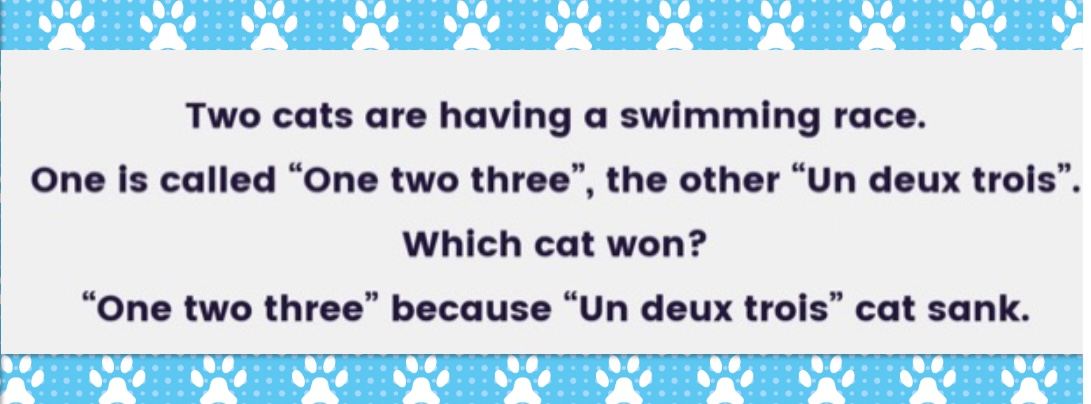
To conclude this page, here is a “cross-cultural joke”; do you get it? – Bonne journée! では、最後に英語/フランス語の怪しいジョークで!

Tomo

The cats of the day :: Les chats du jour :: 今日の猫しゃん

Please stop by at my salon again 💞🫖🍵 3afak & Chukran!

またサロンに寄ってくださいね🇲🇦🇯🇵